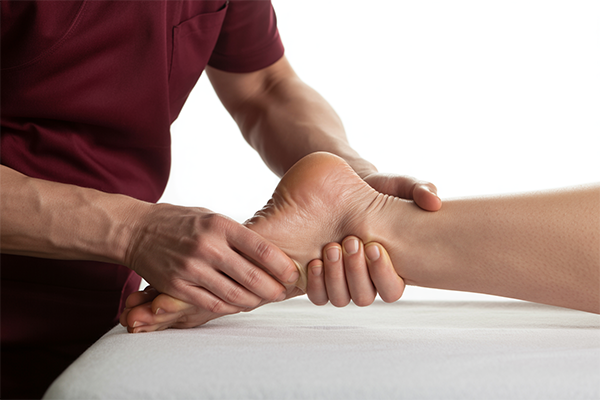
Heel Cracks and Calluses: When Dry Skin Becomes a Problem in Ballincollig
Introduction
At Achilles Podiatry Clinic in Ballincollig, Cork, we understand that heel cracks and calluses are not just cosmetic issues; they can lead to significant discomfort and potentially serious foot problems. This blog post will delve into the causes, symptoms, and treatments for dry skin conditions affecting the heels, providing you with the information needed to manage and prevent these issues effectively.
What Causes Heel Cracks and Calluses?
Heel cracks, also referred to as fissures, and calluses develop when the skin on the feet becomes excessively dry and thickened. Several factors contribute to these conditions:
- Dry Skin: Environmental factors such as low humidity, hot weather, and cold temperatures can dehydrate the skin.
- Footwear: Wearing inappropriate shoes that do not support the natural structure of the foot may lead to excessive friction and pressure, exacerbating dry skin.
- Medical Conditions: Conditions such as diabetes, psoriasis, and eczema can affect skin hydration and resilience.
- Obesity: Increased weight adds pressure to the heels, leading to fissures and callus formation.
- Aging: The skin naturally loses moisture and elasticity with age, making older adults more susceptible.
How Can I Identify Heel Cracks and Calluses?
It's important to recognize the signs of heel cracks and calluses early on to seek appropriate care. Symptoms may include:
- Thickened, hardened patches of skin on the heels.
- Visible fissures or cracks, which may bleed or become infected.
- Pain or discomfort when walking or standing.
- Itching or swelling around the affected areas.
How Can I Treat Heel Cracks and Calluses?
Treating heel cracks and calluses typically involves a combination of home care and professional treatments. Here are some effective strategies:
Home Care Strategies
- Moisturising: Regularly apply a thick emollient such as urea or glycerin-based creams to hydrate the skin.
- Soaking: Soak feet in warm water for 15-20 minutes to soften calluses, followed by gentle exfoliation using a pumice stone.
- Choosing Proper Footwear: Opt for shoes that offer adequate support and cushioning to minimise pressure on the heels.
- Balanced Diet: Maintain a diet rich in essential fatty acids and vitamins to support skin health.
Professional Treatments
If home treatments are ineffective, you may want to consider professional care, which can include:
- Debridement: A quick in-office procedure to remove excessive callus buildup.
- Podiatry Treatments: Tailored treatments such as orthotics that align foot mechanics and ease pressure on the heels.
- Prescription Creams: Stronger topical medications may be necessary to treat severe dryness or fissures.
Prevention Tips for Healthy Heels
Preventing heel cracks and calluses involves proactive foot care:
- Keep your feet clean and dry to prevent fungal infections.
- Wear moisture-wicking socks to encourage skin hydration.
- Limit time spent in hot, dry environments.
- Regularly trim toenails and remove excess skin build-up.
When Should I See a Podiatrist?
If heel cracks or calluses worsen or become painful, don’t hesitate to schedule an appointment. You should especially seek advice if:
- The area shows signs of infection (redness, swelling, or pus).
- You have underlying health conditions, such as diabetes.
- At-home treatments have not resolved the issue within a few weeks.
FAQ
1. What causes heel cracks?
Heel cracks are primarily caused by dry skin, improper footwear, excessive pressure, and medical conditions affecting skin hydration.
2. How can I prevent calluses?
Prevent calluses by wearing well-fitting shoes, maintaining proper foot hygiene, moisturizing regularly, and avoiding prolonged standing or walking on hard surfaces.
3. Are heel cracks dangerous?
While heel cracks can be common, deeper fissures can lead to infections if not treated. It’s important to address severe cases promptly.
4. Can diabetes affect my foot health?
Yes, diabetes can lead to dry skin, poor circulation, and an impaired ability to heal, increasing the risk of foot problems.
5. When should I consult a podiatrist?
If you experience persistent pain, severe cracks, or signs of infection, you should consult a podiatrist for evaluation and treatment.
Conclusion
At Achilles Podiatry Clinic in Ballincollig, Cork, we are dedicated to providing comprehensive care for heel cracks and calluses. Understanding these conditions and addressing them promptly can help maintain foot health and overall wellbeing. If you have concerns about your foot health, please visit our booking page to schedule an appointment today.