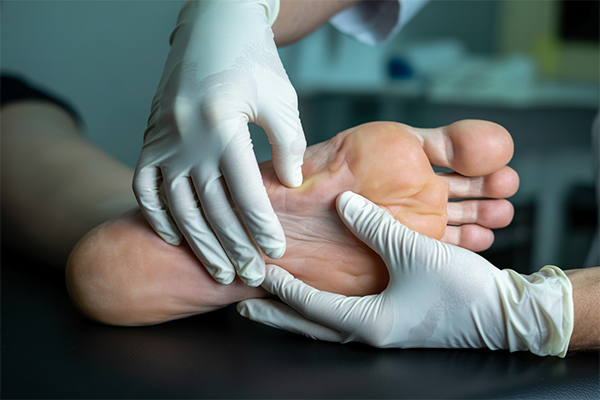
Wound Care for Sensitive Feet: Ballincollig’s Podiatry Tips for Healing Faster
Understanding Wound Care for Sensitive Feet
Welcome to Achilles Podiatry Clinic in Ballincollig, Cork, where we specialize in podiatry care tailored for patients with sensitive feet. Whether due to diabetes, neuropathy, or other conditions, managing wounds effectively is crucial for faster healing and improved foot health. In this article, we will explore the underlying causes of foot wounds, effective treatment methods, and how to care for sensitive feet.
What Causes Wounds on Sensitive Feet?
Wounds on sensitive feet can arise from various factors, mainly affecting individuals with specific health conditions. Understanding these causes can help in prevention and care:
- Diabetes: High blood sugar levels can lead to neuropathy, resulting in a loss of sensation, making it easier for injuries to go unnoticed.
- Circulatory Issues: Conditions like peripheral artery disease can reduce blood flow, hindering healing.
- Improper Footwear: Shoes that do not fit properly can cause friction and pressure points, leading to blisters and sores.
- Skin Conditions: Eczema, psoriasis, and fungal infections can compromise skin integrity, making it more susceptible to wounds.
How Can I Treat Wounds on My Feet?
Treating wounds effectively requires a multi-faceted approach. Below are some key treatment options recommended by podiatrists:
- Cleanse the Wound: Gently clean the wound with mild soap and water. Avoid using alcohol or hydrogen peroxide as they can be harsh on sensitive skin.
- Moisturize: Keep the area hydrated with a suitable moisturizer. Consider using products specifically formulated for diabetic skin if applicable.
- Dress the Wound: Apply a sterile, breathable dressing to protect the wound from bacteria and further irritation.
- Monitor for Infection: Look for signs of infection, such as increased redness, swelling, or discharge. If any occur, seek immediate medical attention.
- Utilize Advanced Therapies: Options like hydrogel or silicone dressings can promote a moist healing environment. In more severe cases, consider hyperbaric oxygen therapy or debridement as prescribed by your podiatrist.
What Should I Do to Prevent Foot Wounds?
Preventing wounds on sensitive feet is paramount. Here are actionable strategies you can implement:
- Choose Appropriate Footwear: Wear shoes that fit well and provide ample support. Ensure there is sufficient space in the toe box and avoid high heels or narrow shoes.
- Perform Regular Foot Inspections: Examine your feet daily for any cuts, blisters, or abnormalities. Early detection is critical for effective treatment.
- Maintain Good Hygiene: Wash your feet daily, dry them thoroughly (especially between the toes), and keep toenails trimmed to prevent injuries.
- Manage Underlying Conditions: Control diabetes or other chronic illnesses through proper diet, regular exercise, and medication adherence as prescribed.
How Does Nutrition Affect Foot Health?
Your diet plays a significant role in the healing process and overall foot health. Here’s how:
- Protein: Essential for tissue repair, ensure sufficient protein intake through sources like lean meats, legumes, and nuts.
- Vitamins and Minerals: Elements like Vitamin C, Zinc, and Vitamin A are crucial for skin health and wound healing. Incorporate fresh fruits, vegetables, and whole grains into your meals.
- Hydration: Keeping hydrated fosters better skin elasticity and overall health, so drink plenty of fluids throughout the day.
When Should I Seek Professional Help?
If you’re managing sensitive feet, knowing when to seek professional care is essential. Visit Achilles Podiatry Clinic if:
- The wound does not improve after a few days of home treatment.
- You notice signs of infection as mentioned earlier.
- You experience increased pain or discomfort.
- You have any concerns regarding your foot health or existing conditions.
FAQ Section
Q: What are the initial steps I should take for a minor foot wound?
A: Cleanse the wound softly, apply a sterile dressing, and monitor for signs of infection.
Q: How can I improve circulation to my feet?
A: Regular physical activity, including walking and stretching, can enhance blood flow. Elevating your feet and avoiding sitting for prolonged periods also helps.
Q: Are there specific creams I should use for wound healing?
A: Look for creams containing aloe vera, vitamin E, or silicone-based products designed for wound management.
Q: How often should I change the dressing on my foot wound?
A: Change the dressing daily or when it becomes wet or soiled, and assess the wound during each change.
Q: Can foot wounds heal without seeing a doctor?
A: Minor wounds can heal at home, but any wound showing signs of infection or chronicity should be evaluated by a healthcare professional.
Conclusion
At Achilles Podiatry Clinic in Ballincollig, Cork, we understand that managing wounds on sensitive feet requires careful attention and proactive strategies. By following the tips outlined in this article, you can promote healing and maintain your foot health. If you have any concerns or need professional assistance, don’t hesitate to schedule an appointment with us today. Your foot health is our priority!