

We have all been there, neglected a niggle in our foot and told ourselves that it would probably go away. Weeks have passed, even months, and it’s only getting worse. Then finally, when we are hobbling around barely able to walk, we decide to seek help…
Well, at Achilles Foot Clinic, we are here to help you.

Is Gout Making Your Big Toe Throb? Ballincollig’s Foot Care Experts Explain What to Do
Understanding Gout and Its Impact on Your Foot Health
If you're experiencing throbbing pain in your big toe, you may be suffering from gout, a common form of inflammatory arthritis. At Achilles Podiatry Clinic in Ballincollig, Cork, our foot care experts are here to help you understand gout and provide effective treatment solutions. Gout occurs when uric acid levels in the blood become excessively high, leading to the formation of crystals in the joints, particularly the big toe.
What Causes Gout?
Gout is often attributed to several factors:
- Genetics: A family history of gout can increase your risk.
- Diet: Consumption of purine-rich foods, such as red meat, shellfish, and sugary drinks, can elevate uric acid levels.
- Obesity: Excess body weight increases uric acid production and reduces its excretion.
- Medications: Diuretics and other medications can interfere with uric acid elimination.
- Medical Conditions: Conditions like hypertension, insulin resistance, and kidney disease can contribute to gout risk.
How Does Gout Affect Your Big Toe?
Gout frequently manifests as sudden and severe pain in the big toe, often occurring at night. This intense discomfort can be accompanied by:
- Swelling: The affected joint may become swollen and tender.
- Redness: The skin over the joint often appears shiny and red.
- Warmth: Affected areas may feel warm to the touch.
These symptoms can last for several days to weeks, with periods of relief in between attacks.
How Can I Treat Gout Effectively?
Addressing gout involves a combination of lifestyle changes, medications, and professional care. Here’s how you can manage your symptoms:
Lifestyle Changes
- Dietary Adjustments: Limit intake of high-purine foods, reduce alcohol consumption, and stay hydrated.
- Weight Management: Achieving and maintaining a healthy weight can significantly reduce uric acid levels.
- Regular Exercise: Engaging in low-impact activities can help improve overall health and prevent flare-ups.
Medications
Medications can help alleviate pain and reduce uric acid levels:
- Nonsteroidal Anti-Inflammatory Drugs (NSAIDs): Such as ibuprofen, to relieve pain and inflammation during an attack.
- Colchicine: Helps reduce swelling and pain associated with gout flare-ups.
- Urate-Lowering Medications: Such as allopurinol, to lower uric acid levels in the long term.
When Should You See a Podiatrist?
If you suspect that you have gout or are experiencing painful symptoms in your big toe, it’s advisable to consult a podiatrist. At Achilles Podiatry Clinic, we can:
- Assess your symptoms and medical history.
- Perform diagnostic tests to confirm gout and rule out other conditions.
- Develop a personalized treatment plan tailored to your needs.
Frequently Asked Questions About Gout
1. Can gout affect other joints besides the big toe?
Yes, while the big toe is the most commonly affected joint, gout can also impact other joints, including the ankles, knees, and elbows.
2. Is gout a lifelong condition?
Gout can be a chronic condition, but with proper management, including lifestyle changes and medication, most people can control their symptoms effectively.
3. When will I see relief from gout pain?
With appropriate treatment, many patients experience relief within a few days during an attack. Ongoing management can prevent future flare-ups.
4. Are there any natural remedies for gout?
Some people find relief with natural remedies such as cherry juice, vitamin C, and adequate hydration; however, these should not replace prescribed medications.
5. Can I continue to exercise if I have gout?
Low-impact exercises can be beneficial, but it's important to avoid activities that put excessive strain on affected joints during an active flare-up.
Call to Action
Experiencing pain in your big toe? Don’t let gout steal your comfort. If you're in Ballincollig, Cork, visit Achilles Podiatry Clinic for expert assessment and management of your foot health. Book your appointment today and start your journey to pain-free living.

Ask Lorcan And His Team
Fill in the form to request a Call From Our Team
Fill in the form to request a Call From Our Team
One of our team will call you for FREE and answer any questions or concerns you may have about Bunions.
One of our team will call you for FREE and answer any questions or concerns you may have about your uncomfortable Bunions.

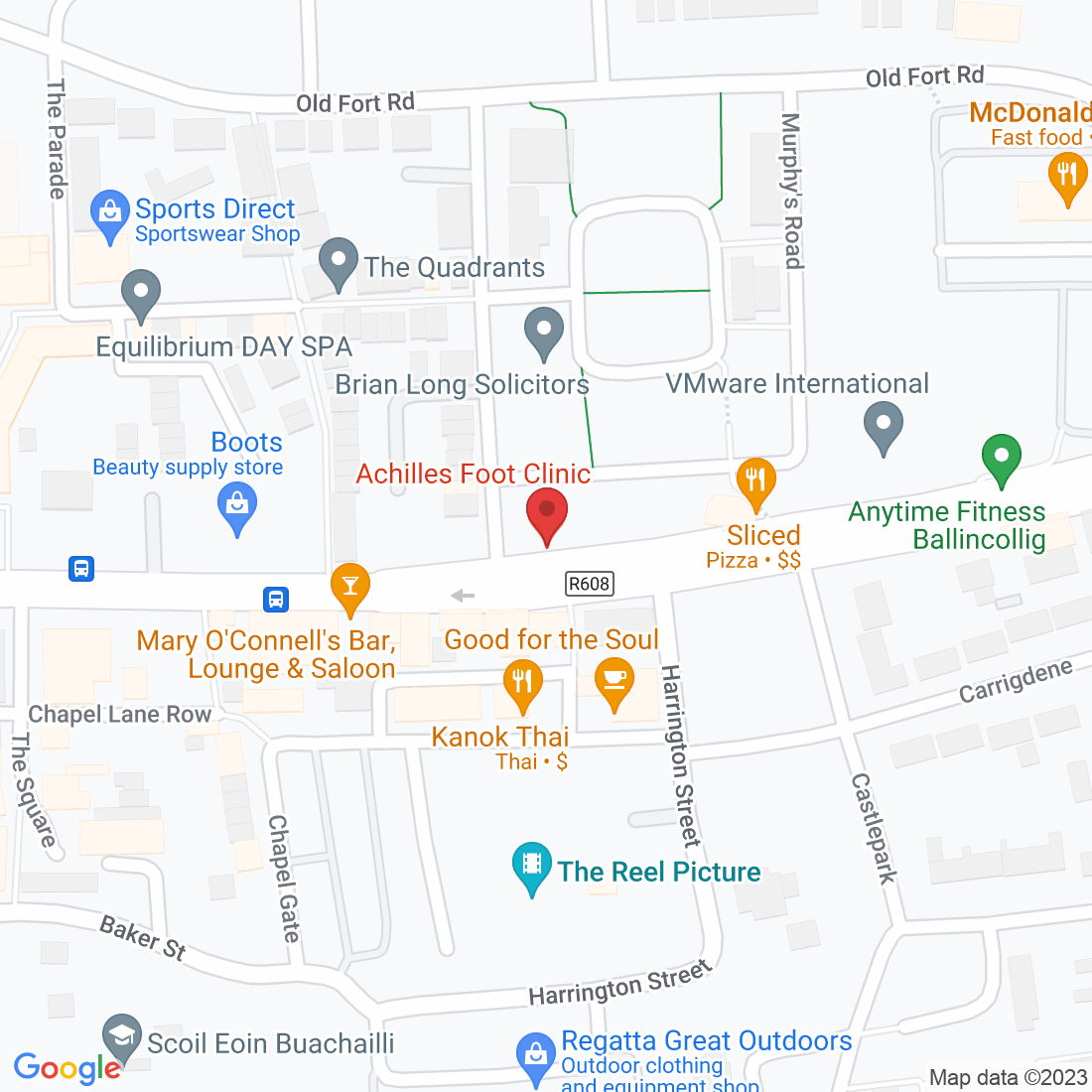
Where To Find Achilles Clinic
Ready to take the next step?
We are conveniently located in the western side of Cork City in Ballincollig.
Main Street, Ballincollig
Open 8am – 6pm (Mon-Fri)
Free Parking on our doorstep
We are on the 220 bus route



Legal
How to get in touch
© Copyright 2022. Achilles Foot Clinic. All rights reserved.