
Ice, Heat or Movement? What Should You Do After a New Muscle or Joint Injury?
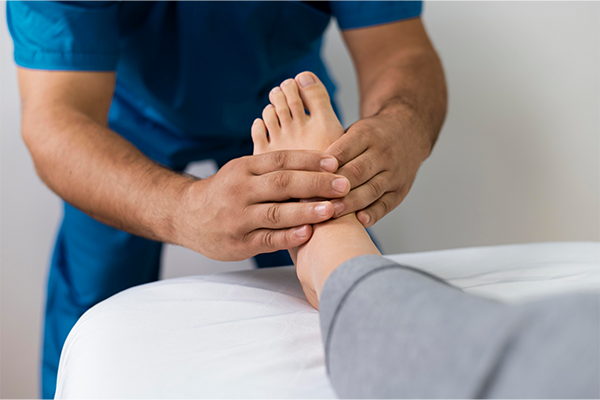
Understanding New Muscle and Joint Injuries
Experiencing a new muscle or joint injury can be daunting. At the Achilles Podiatry Clinic in Ballincollig, Cork, we understand the importance of timely and effective care. Whether it’s a sprain, strain, or another musculoskeletal issue, knowing how to respond immediately can significantly impact your recovery.
What Causes Muscle and Joint Injuries?
Muscle and joint injuries often arise from several factors, including:
- Overuse: Repetitive strain from frequent activities can lead to conditions like tendinitis.
- Acute Injuries: Sudden impacts or falls can cause sprains, strains, or fractures.
- Poor Mechanics: Biomechanical issues, such as flat feet or improper footwear, can exacerbate injury risk.
- Inadequate Warm-Up: Failing to properly prepare your body before physical activity can lead to injuries.
How Can I Treat My Injury? Ice, Heat, or Movement?
Using Ice: When and Why?
Ice therapy is often recommended in the immediate aftermath of an injury. Applying ice can help:
- Reduce swelling
- Minimize bruising
- Alleviate pain
To apply ice effectively:
- Use an ice pack or a bag of frozen vegetables wrapped in a cloth.
- Apply for 15-20 minutes, making sure not to place ice directly on the skin.
- Repeat every 1-2 hours during the first 48 hours post-injury.
When to Use Heat Therapy?
Heat can be beneficial when it comes to injuries involving stiffness or chronic pain. It helps by:
- Relaxing tight muscles
- Increasing blood flow to promote healing
Heat therapy is suitable for:
- Muscle strains due to tension
- Chronic conditions like arthritis
For effective heat application:
- Use a warm towel or heating pad on the affected area.
- Apply for 15-20 minutes, ensuring the temperature is comfortable.
- Incorporate heat after the initial swelling has subsided.
The Role of Movement
While rest is essential initially, gentle movement is beneficial for recovery. Movement can:
- Enhance circulation
- Prevent stiffness
- Gradually restore function
After a few days, consider:
- Gentle stretching exercises as tolerated
- Low-impact activities like swimming or cycling
When to Seek Professional Help?
If your injury is severe or not improving, it’s crucial to seek professional evaluation. Signs that warrant a visit to the Achilles Podiatry Clinic include:
- Persistent pain despite home treatment
- Swelling that does not diminish
- Inability to bear weight on the affected area
- Signs of infection, such as fever or redness
Frequently Asked Questions (FAQs)
1. How long should I ice my injury?
Ice your injury for 15-20 minutes every 1-2 hours during the first 48 hours post-injury.
2. Can I use heat immediately after my injury?
It’s best to wait until swelling has reduced, typically after 48 hours, before applying heat.
3. What type of movement should I engage in after an injury?
Start with gentle range-of-motion exercises, progressing to low-impact activities as tolerated.
4. How can I tell if my injury needs professional treatment?
If you experience severe pain, swelling, or inability to bear weight, consult a professional.
5. What foot conditions can affect my risk of injuries?
Conditions like flat feet, plantar fasciitis, and poor ankle stability can increase injury risk.
Conclusion
Addressing a new muscle or joint injury with appropriate initial treatment is crucial to your recovery. At the Achilles Podiatry Clinic in Ballincollig, Cork, our experienced team is ready to assist you in managing your injury effectively. If you have concerns or require further guidance, please book an appointment today.
READY TO GET STARTED?
Book Your First Appointment
If something is bothering you, you don't need to wait for it to become a bigger problem. Book an appointment with our podiatry team and we'll help you understand the next step.
Related Articles
Toe Pain and Deformities in Ballincollig, Cork: Can Footwear Make Them Worse?
Discover how footwear can worsen toe pain and deformities at Achilles Podiatry Clinic in Ballincollig, Cork, and learn how to alleviate your discomfort.
Why Does Toenail Fungus Keep Coming Back? How to Reduce the Risk of Reinfection
Explore why toenail fungus keeps returning and discover effective prevention tips from Achilles Podiatry Clinic in Ballincollig, Cork, for healthier nails.