

We have all been there, neglected a niggle in our foot and told ourselves that it would probably go away. Weeks have passed, even months, and it’s only getting worse. Then finally, when we are hobbling around barely able to walk, we decide to seek help…
Well, at Achilles Foot Clinic, we are here to help you.
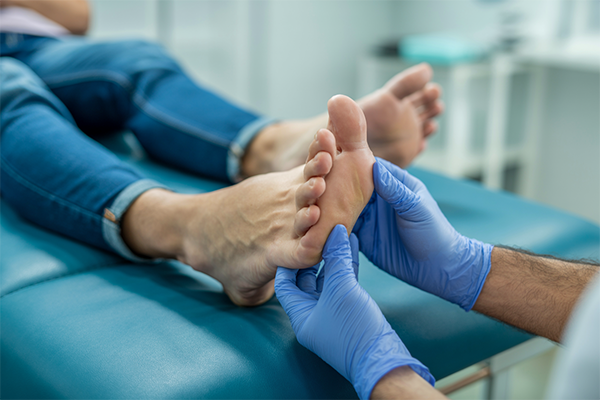
Running Injury Treatment in Ballincollig, Cork: Why Training Load Matters More Than You Think
Running Injury Treatment in Ballincollig, Cork: Why Training Load Matters More Than You Think
At Achilles Podiatry Clinic in Ballincollig, Cork, we understand the challenges runners face when dealing with injuries. One crucial factor that often goes unnoticed in the healing process is training load. This blog aims to explore the significance of training load in running injuries and provide effective treatment strategies.
What is Training Load?
Training load refers to the cumulative stress placed on the body through physical activity. It encompasses various factors including distance, intensity, and duration of your runs. Understanding training load is essential for both preventing and managing running injuries.
What Causes Running Injuries?
Common running injuries can arise from an improper training load. These injuries may include:
- Plantar Fasciitis: Inflammation of the plantar fascia often caused by excessive stress on the foot.
- Achilles Tendinopathy: Degeneration of the Achilles tendon leading to pain and stiffness.
- Runner’s Knee: Patellofemoral pain syndrome, which can result from imbalances in load distribution.
- Shin Splints: Pain along the shin bone, often due to overuse or high training loads without adequate recovery.
How Can I Treat Running Injuries Related to Training Load?
Treating running injuries often involves a multifaceted approach, focusing on reducing training load, realigning biomechanics, and improving overall fitness. Here are some effective strategies:
- Rest and Recovery: Allow time for your body to heal, which may involve taking time off from running or reducing intensity.
- Physical Therapy: Engaging in targeted exercises can restore strength and flexibility. Our specialists at Achilles Podiatry Clinic can create a tailored rehabilitation program.
- Footwear Assessment: Ensuring you have the right shoes for your foot type can significantly reduce the risk of injury.
- Gradual Progression: Increase your training load gradually. The 10% rule (no more than a 10% increase in mileage per week) is a good guideline.
Why Does Training Load Matter?
Understanding and managing training load is essential for several reasons:
- Avoids Overuse Injuries: Gradual adaptation of the body to increased loads helps prevent injuries from overuse.
- Enhances Performance: A well-monitored training load can lead to better performance outcomes.
- Promotes Longevity in the Sport: A balanced approach to training ensures you can enjoy running for years to come.
How Can I Monitor My Training Load?
Monitoring your training load can be accomplished through various methods:
- Wearable Technology: Fitness trackers can provide insights into distance, heart rate, and recovery times.
- Training Logs: Keep a record of your runs, including distance, intensity, and how you felt during and after the session.
- Consultation with Experts: Work with professionals at Achilles Podiatry Clinic who can offer assessments and recommendations based on your individual needs.
FAQs about Running Injuries and Training Load
1. How can I tell if I have a running injury?
Common signs include persistent pain, swelling, and a reduced range of motion. If pain continues after rest and self-care, it’s crucial to seek professional advice.
2. How long should I rest if I have an injury?
Rest periods vary by injury but generally, a few days to a couple of weeks is advisable. Always consult a healthcare professional for personalized advice.
3. Can I continue to run while recovering from an injury?
In some cases, cross-training (such as swimming or cycling) can maintain fitness without aggravating the injury, but you should check with a professional first.
4. What role does stretching play in preventing injuries?
Stretching increases flexibility and range of motion, which can help in injury prevention when incorporated into a warm-up routine.
5. When should I see a podiatrist for my running injury?
If you experience severe pain, persistent symptoms that do not improve, or if you're unsure about the severity of your injury, it's best to consult a podiatrist.
Conclusion
At Achilles Podiatry Clinic in Ballincollig, Cork, we recognize the vital role that training load plays in both preventing and treating running injuries. By understanding your body and working with our specialists, you can enhance your running experience while minimizing the risk of injury. Don't let injuries hold you back—start your path to recovery today!

Ask Lorcan And His Team
Fill in the form to request a Call From Our Team
Fill in the form to request a Call From Our Team
One of our team will call you for FREE and answer any questions or concerns you may have about Bunions.
One of our team will call you for FREE and answer any questions or concerns you may have about your uncomfortable Bunions.

Where To Find Achilles Clinic
Ready to take the next step?
We are conveniently located in the western side of Cork City in Ballincollig.
Main Street, Ballincollig
Open 8am – 6pm (Mon-Fri)
Free Parking on our doorstep
We are on the 220 bus route




Legal
How to get in touch
© Copyright 2022. Achilles Foot Clinic. All rights reserved.