
How to Tell If You’re Overpronating — Ballincollig’s Signs to Watch For
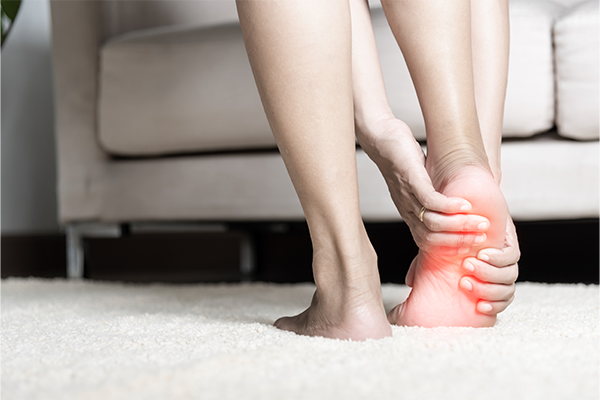
Understanding Overpronation
Welcome to Achilles Podiatry Clinic in Ballincollig, Cork. Overpronation is a condition that affects how your foot rolls inward after landing. This blog post will help you identify the signs of overpronation and understand its implications for your foot health.
What Causes Overpronation?
Overpronation occurs when the arch of your foot collapses excessively as you walk or run. Several factors can contribute to this condition:
- Foot Structure: Individuals with flat feet or low arches are more prone to overpronation.
- Improper Footwear: Wearing shoes that lack adequate support can exacerbate the problem.
- Excess Weight: Carrying additional weight increases the strain on the feet.
- Muscle Imbalance: Weakness in certain muscles can lead to poor foot mechanics.
How Can You Identify Signs of Overpronation?
Recognizing overpronation is crucial for preventing associated foot conditions like plantar fasciitis, shin splints, and knee pain. Here are common signs to watch for:
- Footwear Wear Patterns: Check the inside of your shoe for uneven wear, particularly on the outsole.
- Foot Pain: Persistent pain in the arches or heels can indicate overpronation.
- Swollen Feet: Frequent swelling after activity may signal excessive pronation.
- Leg or Knee Pain: Overpronation can contribute to discomfort in the legs or knees due to misalignment.
What Foot Conditions Can Result from Overpronation?
If left untreated, overpronation can lead to several foot conditions, including:
- Plantar Fasciitis: Inflammation of the plantar fascia can cause heel pain and stiffness.
- Achilles Tendinitis: Overpronation can strain the Achilles tendon, leading to pain and swelling.
- Flat Feet: Excessive pronation may contribute to the development of flat feet over time.
- Shin Splints: Pain along the shin bone can occur due to the altered gait from overpronation.
How Can You Treat Overpronation?
Proper treatment is essential to mitigate the effects of overpronation. Here are effective treatment options:
- Footwear Optimization: Invest in supportive shoes designed for overpronators.
- Orthotics: Custom orthotic inserts can provide additional arch support and alignment.
- Physical Therapy: Engaging in exercises that strengthen the foot and improve flexibility can aid recovery.
- Activity Modification: Limiting high-impact activities can help alleviate symptoms while you heal.
When Should You See a Podiatrist?
If you experience persistent foot pain or any of the aforementioned signs of overpronation, it’s important to consult a healthcare professional. Early intervention can prevent further complications and enhance your quality of life.
FAQs about Overpronation
1. How do I know if I am overpronating?
Look for signs such as uneven shoe wear, pain in the arches or heels, and swelling of the feet after physical activity.
2. Can overpronation be corrected?
Yes, with proper footwear, orthotics, and physical therapy, many patients see significant improvements.
3. Is overpronation common in runners?
Yes, many runners experience overpronation. It's essential to select appropriate running shoes for your foot type.
4. What are the long-term effects of untreated overpronation?
Untreated overpronation can lead to chronic pain, foot deformities, and increased risk of injuries like plantar fasciitis and shin splints.
5. How can I prevent overpronation?
Adequate footwear, maintaining a healthy weight, and performing foot-strengthening exercises can help prevent overpronation.
Conclusion
Overpronation is a common issue that can lead to various foot problems if not addressed. At Achilles Podiatry Clinic in Ballincollig, Cork, we are dedicated to helping you understand and treat this condition effectively. If you suspect you’re overpronating or are experiencing foot pain, don’t hesitate to book an appointment with us today. Your feet deserve the best care possible!
READY TO GET STARTED?
Book Your First Appointment
If something is bothering you, you don't need to wait for it to become a bigger problem. Book an appointment with our podiatry team and we'll help you understand the next step.
