
Why Does the Top of My Foot Hurt? 6 Possible Causes
Introduction
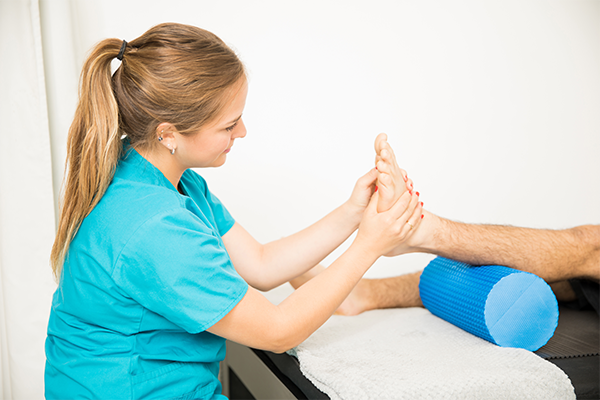
If you're experiencing pain on the top of your foot, you're not alone. Many people, including residents of Ballincollig, Cork, visit the Achilles Podiatry Clinic seeking answers. Discomfort in this area can stem from various causes, and understanding these can help you find effective treatment.
What causes pain on the top of the foot?
The top of your foot comprises multiple structures, including bones, tendons, ligaments, and muscles. Pain in this region can arise from various injuries and conditions. Here are six possible causes:
1. Extensor Tendonitis
Extensor tendonitis occurs when the tendons that run along the top of your foot become inflamed. This condition is often caused by overuse, frequent running, or wearing poorly fitting footwear. Symptoms may include swelling, tenderness, and pain that worsens with activity.
2. Metatarsal Fractures
Fractures in the metatarsal bones, which connect your toes to the midfoot, can lead to significant pain on the top of the foot. These fractures can result from acute injury, repetitive stress, or conditions like osteoporosis. Patients often describe a sharp, localized pain that may worsen with movement.
3. Stress Fractures
Similar to metatarsal fractures, stress fractures are tiny cracks in the bone caused by repetitive forces over time. They are particularly common in athletes. Symptoms may include dull pain that intensifies with activity and improves with rest. If left untreated, stress fractures can worsen, leading to more severe injuries.
4. Inflammatory Conditions
Conditions such as arthritis can affect the dorsal (top) side of the foot, leading to pain and stiffness. Rheumatoid arthritis and gout are common types that can cause inflammation and discomfort. Symptoms might include redness, swelling, and joint pain.
5. Neuroma
A neuroma is a benign growth of nerve tissue, often occurring between the toes but can cause referred pain on the top of the foot. Morton's neuroma commonly affects the third and fourth toes and can lead to pain that radiates to the top of the foot. Symptoms include sharp, burning pain and tingling in the affected area.
6. Nerve Entrapment
Nerve entrapment can occur when a nerve in the foot is compressed due to swelling or injury. This can lead to pain, numbness, or tingling sensations on the top of the foot. Conditions like tarsal tunnel syndrome, where the posterior tibial nerve is compressed, can present such symptoms.
How can I treat pain on the top of my foot?
Treatment for pain on the top of the foot will depend on the underlying cause. Here are some general recommendations:
- Rest: Avoid activities that exacerbate your pain to give your foot time to heal.
- Icing: Apply ice to the affected area for 15–20 minutes, several times a day, to reduce inflammation.
- Footwear: Invest in supportive shoes that fit well and provide adequate cushioning.
- Medication: Over-the-counter anti-inflammatory medications, like ibuprofen, can help alleviate pain and swelling.
- Physical Therapy: A qualified podiatrist may recommend exercises to strengthen the foot and improve flexibility.
- Orthotics: Custom orthotics can correct biomechanical issues, providing relief and preventing further injury.
When should I see a podiatrist?
If your foot pain persists despite home treatment or is accompanied by severe swelling, bruising, or difficulty walking, it’s important to seek professional help. At the Achilles Podiatry Clinic in Ballincollig, our experienced team can perform a thorough assessment and provide a tailored treatment plan to address your specific needs.
Frequently Asked Questions (FAQ)
1. Can I exercise with pain on the top of my foot?
It’s best to avoid exercising until you determine the cause of your pain. Continuing to engage in activities that worsen your symptoms can lead to further injury.
2. How long does it take for foot pain to heal?
The healing time varies depending on the condition causing your pain. Minor strains could heal in a few days, while fractures may take several weeks to months.
3. What type of shoes should I wear for foot pain?
Opt for shoes that provide good arch support and cushioning. Avoid high heels and narrow-toed styles, as they can exacerbate foot problems.
4. Are there home remedies for foot pain?
Yes! Rest, ice, elevation, and over-the-counter medications can be helpful for managing mild discomfort. However, seek medical advice for persistent pain.
5. How can I prevent foot injuries in the future?
Maintain a healthy weight, practice proper footwear choices, and gradually increase physical activity intensity to prevent injuries. Consider regular visits to a podiatrist for foot health assessments.
Conclusion
Understanding the potential causes of pain on the top of your foot can help you take steps towards effective treatment and prevention. If you're in Ballincollig, Cork, and experiencing persistent pain, don’t hesitate to reach out to the Achilles Podiatry Clinic. Our dedicated team is here to help you understand your condition and provide a comprehensive treatment plan tailored to your needs. Book your appointment today!
READY TO GET STARTED?
Book Your First Appointment
If something is bothering you, you don't need to wait for it to become a bigger problem. Book an appointment with our podiatry team and we'll help you understand the next step.
Related Articles
Big Toe Joint Pain in Ballincollig, Cork: Could It Be Hallux Limitus or Hallux Rigidus?
Discover effective management for big toe joint pain in Ballincollig, Cork, and learn about Hallux Limitus and Hallux Rigidus at Achilles Podiatry Clinic.
Carbon-Plated Running Shoes: Can Super Shoes Change the Way Your Feet and Legs Are Loaded?
Discover how carbon-plated running shoes can affect your feet and legs' loading mechanics at Achilles Podiatry Clinic in Ballincollig, Cork.
Peroneal Tendon Pain in Ballincollig, Cork: A Commonly Overlooked Cause of Outer Ankle Pain
Discover effective treatments for peroneal tendon pain at Achilles Podiatry Clinic in Ballincollig, Cork, and reclaim your active lifestyle with expert care.