
Achilles Tendinopathy Treatment in Ballincollig, Cork: Why Rest Alone May Not Solve the Problem
Understanding Achilles Tendinopathy
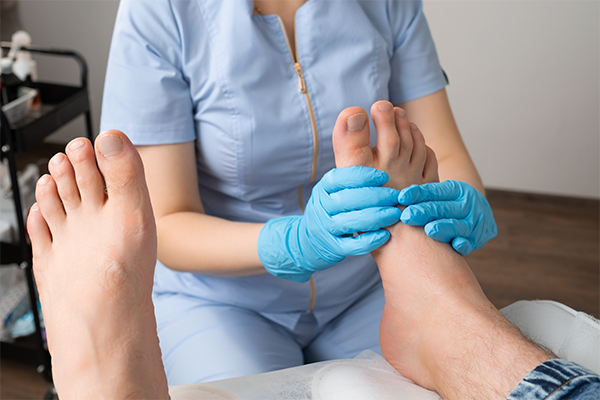
Achilles tendinopathy is a common condition affecting the Achilles tendon, which connects the calf muscles to the heel bone. Individuals experiencing this painful condition often report stiffness, swelling, and discomfort along the back of the ankle, especially during activities such as running or climbing stairs. At Achilles Podiatry Clinic in Ballincollig, Cork, we specialize in diagnosing and treating this condition to restore your mobility and quality of life.
What Causes Achilles Tendinopathy?
Achilles tendinopathy can result from a variety of factors, including:
- Overuse: Repeated stress from sports or physical activities, such as running, can strain the Achilles tendon.
- Poor Footwear: Inadequate or unsuitable footwear may fail to provide proper support during physical activities.
- Anatomical Factors: Flat feet or a high arch can alter the mechanics of your foot, placing additional strain on the tendon.
- Age: Tendons lose elasticity and resilience with age, making older adults more susceptible.
- Sudden Increases in Activity: Rapidly increasing the intensity or frequency of physical activity can overwhelm the tendon.
Why Rest Alone May Not Solve the Problem
While rest is an essential component of recovery from Achilles tendinopathy, relying solely on rest can often lead to prolonged symptoms and delayed healing. Here’s why:
- Muscle Atrophy: Prolonged immobility can lead to muscle weakness and atrophy, particularly in the calf muscles, making recovery more challenging.
- Lack of Blood Flow: Resting without any targeted therapy can impede blood circulation, which is vital for tendon healing.
- Biomechanical Issues: Resting does not address underlying mechanical issues that may have contributed to the condition. Without intervention, these factors can lead to recurrent pain.
- Sensitivity Shifts: The tendon can become increasingly sensitive if stress is completely removed, leading to an exaggerated response when activity is resumed.
How Can I Treat Achilles Tendinopathy Effectively?
Effective treatment for Achilles tendinopathy should be multi-faceted, incorporating rest with other therapeutic approaches:
- Physical Therapy: A physical therapist can develop a personalized rehabilitation program that includes stretching and strengthening exercises to promote recovery.
- Orthotic Devices: Custom foot orthotics may help correct biomechanical issues and relieve stress on the Achilles tendon.
- Shockwave Therapy: This non-invasive treatment uses acoustic waves to promote healing by increasing blood flow to the tendon.
- Ice Therapy: Applying ice can help reduce swelling and pain, particularly after activity.
- Medication: Over-the-counter non-steroidal anti-inflammatory drugs (NSAIDs) can provide temporary relief but should be used with caution.
What Should I Expect During Recovery?
Recovery from Achilles tendinopathy can vary significantly from person to person, but here are some general expectations:
- Initial improvement in symptoms usually within weeks if a multi-faceted treatment approach is followed.
- Gradual return to activity is encouraged, but this should always be guided by a healthcare professional.
- Long-term management may involve changes to activity levels and footwear, as well as regular follow-up care.
When Should I Seek Professional Help?
If your symptoms persist beyond a few weeks, it’s advisable to consult a qualified podiatrist. At Achilles Podiatry Clinic in Ballincollig, Cork, we offer comprehensive assessments and tailored treatment plans to help you recover effectively and prevent further injury.
Frequently Asked Questions (FAQ)
1. Can I continue to run with Achilles tendinopathy?
It is generally advisable to limit running activities until the pain subsides. A gradual return to running, guided by a professional, may be feasible once you begin to heal.
2. How long does recovery typically take?
Recovery duration varies widely; most patients begin to see improvement in 4-6 weeks with appropriate treatment, although full recovery may take several months.
3. Are certain sports more likely to cause Achilles tendinopathy?
Sports that involve repetitive strain on the legs, such as running, basketball, or tennis, are particularly associated with this condition.
4. Can I prevent Achilles tendinopathy?
Preventative measures include gradually increasing activity levels, wearing supportive footwear, and maintaining calf flexibility and strength.
5. When should I see a podiatrist?
If you experience persistent pain or swelling in the Achilles area that does not improve with rest, it’s important to seek professional evaluation and treatment.
Book Your Appointment Today
Don’t let Achilles tendinopathy hold you back. Trust the experts at Achilles Podiatry Clinic in Ballincollig, Cork, to provide you with the comprehensive care you need. Book your appointment now and take the first step toward recovery.
READY TO GET STARTED?
Book Your First Appointment
If something is bothering you, you don't need to wait for it to become a bigger problem. Book an appointment with our podiatry team and we'll help you understand the next step.
Related Articles
How Long Do Custom Orthotics Last and When Should They Be Replaced?
Discover how long custom orthotics last and when to replace them, a vital guide for patients at Achilles Podiatry Clinic in Ballincollig, Cork.
Ice, Heat or Movement? What Should You Do After a New Muscle or Joint Injury?
Learn effective treatment options for muscle and joint injuries at Achilles Podiatry Clinic in Ballincollig, Cork, including ice, heat, and movement strategies.
Toe Pain and Deformities in Ballincollig, Cork: Can Footwear Make Them Worse?
Discover how footwear can worsen toe pain and deformities at Achilles Podiatry Clinic in Ballincollig, Cork, and learn how to alleviate your discomfort.