
How Long Do Custom Orthotics Last and When Should They Be Replaced?

Introduction to Custom Orthotics
At Achilles Podiatry Clinic in Ballincollig, Cork, we often recommend custom orthotics for patients dealing with various foot conditions such as plantar fasciitis, flat feet, and diabetic foot complications. These custom-made insoles are designed to provide support, improve alignment, and enhance overall foot function. However, a common concern among our patients is the lifespan of these crucial devices and when they should be replaced.
How Long Do Custom Orthotics Typically Last?
The lifespan of custom orthotics can vary significantly based on several factors, including the materials used, the specific foot condition being treated, and the patient's lifestyle. On average, you can expect custom orthotics to last between 1 to 3 years. However, several signs can indicate it’s time for a replacement.
Factors Influencing the Lifespan of Custom Orthotics
- Material Quality: Higher quality materials generally have a longer lifespan. Orthotics made from thermoplastics, for example, tend to last longer than those made from softer materials.
- Frequency of Use: Daily use in demanding activities, such as running or vigorous sports, can wear down orthotics more quickly than occasional use.
- Body Weight: Heavier individuals may experience more rapid wear-and-tear on orthotics.
- Foot Structure Changes: Changes in foot structure due to conditions like diabetes or arthritis may necessitate a more frequent replacement.
When Should You Replace Custom Orthotics?
Here are several signs that indicate it’s time to consider replacing your custom orthotics:
- Visible Wear: If you notice fraying, cracking, or any significant wear on the surfaces, it’s time to get a new pair.
- Loss of Support: If your orthotics feel less supportive than they used to, causing discomfort or pain, it may be due to structural breakdown.
- Changes in Foot Comfort: If you start to feel foot pain or discomfort in areas that were previously well-supported, this can signal that your orthotics should be re-evaluated.
- Foot Structure Changes: If there are any changes in your foot structure or if you develop new foot conditions, a new assessment is warranted.
- Annual Check-Ups: Regular podiatry appointments can help assess the condition of your orthotics.
How to Care for Your Custom Orthotics
Proper care can extend the life of your custom orthotics. Here are some tips:
- Keep Them Dry: Moisture can weaken the materials over time. Avoid wearing them in wet conditions and dry them thoroughly if they get wet.
- Clean Regularly: Clean your orthotics with mild soap and water to remove dirt and bacteria. Avoid harsh chemicals that can degrade the materials.
- Rotate Footwear: To reduce wear, consider rotating between different pairs of shoes that accommodate your orthotics.
- Store Properly: When not in use, store your orthotics in a cool, dry place to prevent deformation.
What Conditions Can Custom Orthotics Help With?
Custom orthotics are effective for a range of foot conditions, including:
- Plantar Fasciitis: Provides arch support and reduces strain on the plantar fascia.
- Flat Feet: Corrective support aligned with foot arches to relieve pressure.
- Diabetic Foot Issues: Offers cushioning and support to minimize risk of ulcers and injuries.
- Achilles Tendinitis: Helps alleviate strain on the Achilles tendon by improving foot mechanics.
Frequently Asked Questions (FAQ)
1. How often should I get my orthotics checked?
It is advisable to have your orthotics evaluated at least once a year, or sooner if you notice changes in comfort or foot health.
2. Can I use over-the-counter orthotics instead of custom ones?
While some over-the-counter options can provide temporary relief, custom orthotics are specifically designed for your unique foot structure and needs, making them more effective for chronic conditions.
3. Will new orthotics feel uncomfortable at first?
It’s common to experience some discomfort as your feet adjust to the new support. However, any significant pain should prompt a reassessment by your podiatrist.
4. What should I do if my orthotics break?
If your orthotics are broken or severely worn, stop using them immediately and schedule an appointment at our clinic for an assessment and replacement.
5. Can custom orthotics help with knee pain?
Yes, custom orthotics can help alleviate knee pain by correcting misalignment and redistributing weight pressure across the foot, which positively impacts the knees.
Conclusion
Custom orthotics are invaluable for maintaining foot health, especially for patients visiting Achilles Podiatry Clinic in Ballincollig, Cork. Understanding their lifespan and replacement indicators is crucial for effective treatment of foot conditions. If you have concerns about your orthotics or believe it's time for a replacement, book an appointment with us today to ensure you receive the best care for your feet.
READY TO GET STARTED?
Book Your First Appointment
If something is bothering you, you don't need to wait for it to become a bigger problem. Book an appointment with our podiatry team and we'll help you understand the next step.
Related Articles
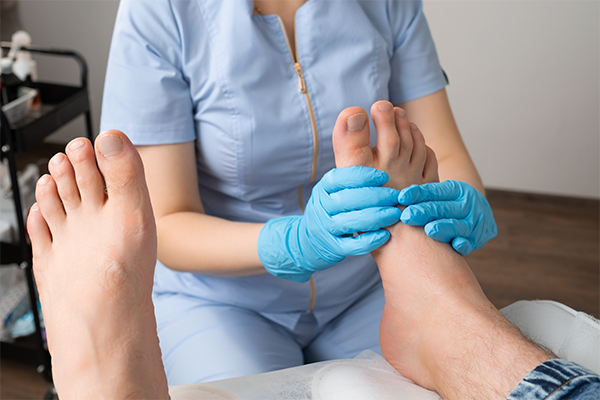
Achilles Tendinopathy Treatment in Ballincollig, Cork: Why Rest Alone May Not Solve the Problem
Explore effective treatment options for Achilles tendinopathy at Achilles Podiatry Clinic in Ballincollig, Cork, and learn why rest alone may not suffice.
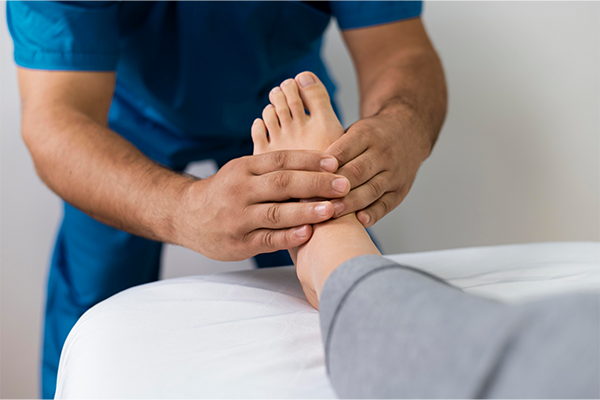
Ice, Heat or Movement? What Should You Do After a New Muscle or Joint Injury?
Learn effective treatment options for muscle and joint injuries at Achilles Podiatry Clinic in Ballincollig, Cork, including ice, heat, and movement strategies.
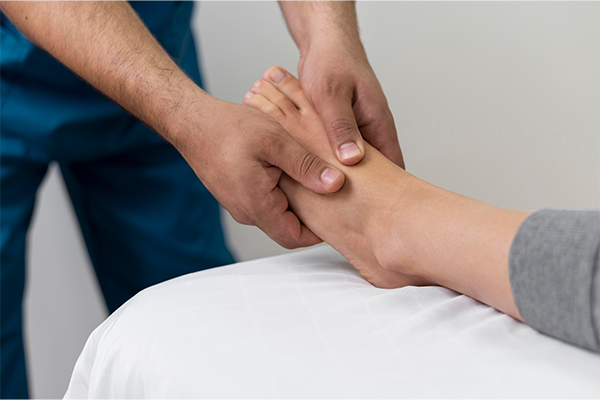
Toe Pain and Deformities in Ballincollig, Cork: Can Footwear Make Them Worse?
Discover how footwear can worsen toe pain and deformities at Achilles Podiatry Clinic in Ballincollig, Cork, and learn how to alleviate your discomfort.