

We have all been there, neglected a niggle in our foot and told ourselves that it would probably go away. Weeks have passed, even months, and it’s only getting worse. Then finally, when we are hobbling around barely able to walk, we decide to seek help…
Well, at Achilles Foot Clinic, we are here to help you.

Ankle Pain After Sports? Why It Might Not Be Just a “Twist” – Ballincollig Insight
Ankle Pain After Sports? Why It Might Not Be Just a “Twist”
If you've experienced ankle pain after participating in sports activities, you might have shrugged it off as a mere twist or sprain. However, at Achilles Podiatry Clinic in Ballincollig, Cork, we emphasize the importance of understanding that ankle pain can stem from a variety of conditions, some of which may require professional evaluation and treatment. This article will explore potential causes of your ankle pain, guiding you towards better health and recovery.
What Causes Ankle Pain After Sports?
Ankle pain can arise from several factors following sports activities. Common causes include:
- Ankle Sprains: These occur when the ligaments supporting the ankle stretch or tear, often due to sudden twists or impacts.
- Tendinitis: This involves inflammation of the tendons around the ankle, particularly the Achilles tendon, often due to overuse or repetitive strain.
- Fractures: A break in one of the ankle bones can result from a fall or high-impact collision, leading to severe pain and swelling.
- Ankle Impingement: Often described as a 'pinching' sensation, this condition occurs when there is inadequate space for the ankle bones, typically during movement.
- Arthritis: This degenerative joint disease can cause pain in the ankle joint, particularly in older athletes or those with a history of ankle injuries.
How Can I Treat Ankle Pain?
Treatment for ankle pain depends on the underlying cause. Here are general steps to help manage pain and promote healing:
- Rest: Allowing the ankle to rest is crucial. Avoid activities that exacerbate the pain.
- Ice Therapy: Applying ice packs for 15-20 minutes at a time can help reduce swelling and discomfort.
- Compression: Using a compression bandage can provide support and minimize swelling.
- Elevation: Keeping the ankle elevated above heart level helps decrease swelling.
- Physical Therapy: A trained therapist can develop a rehabilitation program to strengthen the ankle and improve mobility.
- Medication: Non-steroidal anti-inflammatory drugs (NSAIDs) may be recommended to alleviate pain and inflammation.
When Should I Seek Professional Help?
It's important to consult a podiatrist if:
- The pain persists beyond a few days.
- You experience significant swelling, bruising, or inability to bear weight on the affected ankle.
- You've had multiple ankle injuries in the past.
- You notice changes in your ankle shape or range of motion.
What Tests Might Be Needed?
At Achilles Podiatry Clinic, we offer comprehensive assessments for ankle pain which may include:
- Physical Examination: A thorough examination helps identify pain areas, swelling, and range of motion.
- X-rays: These imaging tests can help rule out fractures or bone-related issues.
- MRI or Ultrasound: In certain cases, these imaging modalities provide a detailed view of soft tissues, including ligaments and tendons.
Can Ankle Pain Lead to Long-Term Issues?
Chronic ankle pain can certainly lead to long-term complications, including:
- Persistent instability affecting mobility.
- Increased risk of future injuries.
- Development of arthritis in the ankle joint.
Thus, timely intervention is critical in preventing these potential outcomes.
FAQs About Ankle Pain
- Can I walk with an ankle sprain? Yes, but it's crucial to minimize weight bearing and seek professional advice for recovery.
- How long does it take for an ankle sprain to heal? Healing time varies; mild sprains may heal in a few weeks, while severe cases might take longer.
- Is surgery required for chronic ankle pain? Surgery is sometimes needed, but often conservative measures are effective.
- What can I do to strengthen my ankles? Balancing exercises, resistance training, and flexibility work can help strengthen ankle stability.
- Should I see a doctor or a podiatrist for my ankle pain? A podiatrist specializes in foot and ankle issues and can provide tailored treatment options.
In conclusion, if you're experiencing ankle pain after sports, it may not simply be a twist. At Achilles Podiatry Clinic in Ballincollig, Cork, we are dedicated to assessing and treating your ankle concerns with expertise and care. Don't hesitate to seek professional guidance to ensure proper healing and avoid long-term complications.
Book your appointment today to discuss your ankle pain with our specialists!

Ask Lorcan And His Team
Fill in the form to request a Call From Our Team
Fill in the form to request a Call From Our Team
One of our team will call you for FREE and answer any questions or concerns you may have about Bunions.
One of our team will call you for FREE and answer any questions or concerns you may have about your uncomfortable Bunions.

Where To Find Achilles Clinic
Ready to take the next step?
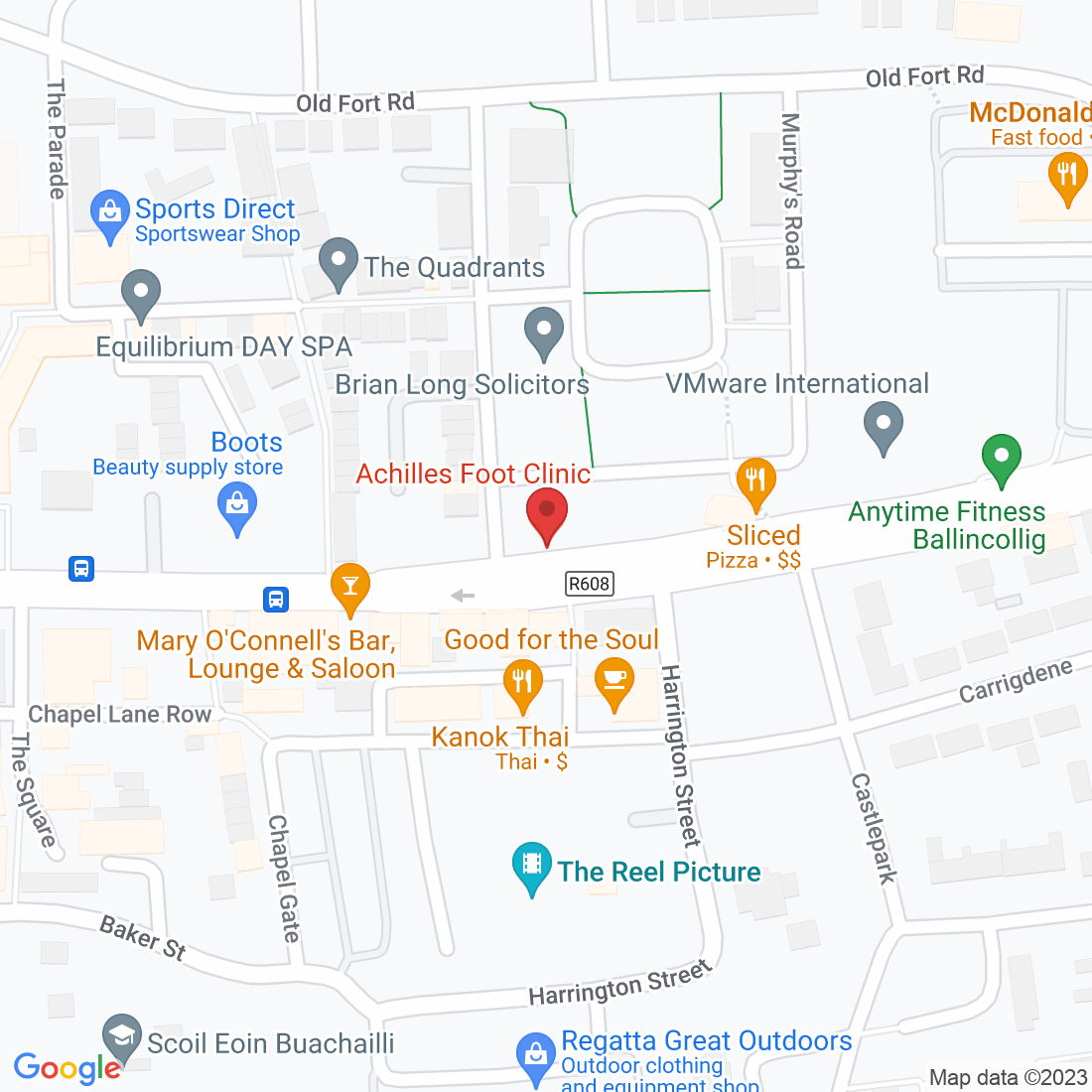
We are conveniently located in the western side of Cork City in Ballincollig.
Main Street, Ballincollig
Open 8am – 6pm (Mon-Fri)
Free Parking on our doorstep
We are on the 220 bus route



Legal
How to get in touch
© Copyright 2022. Achilles Foot Clinic. All rights reserved.