

We have all been there, neglected a niggle in our foot and told ourselves that it would probably go away. Weeks have passed, even months, and it’s only getting worse. Then finally, when we are hobbling around barely able to walk, we decide to seek help…
Well, at Achilles Foot Clinic, we are here to help you.
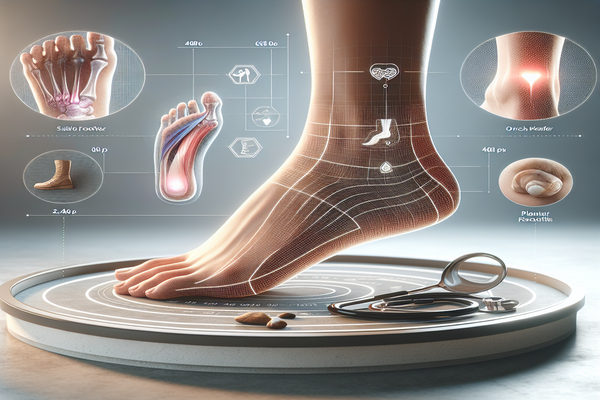
Arch Pain in Ballincollig? Here’s How to Tell If It’s Plantar Fasciitis or Something Else
Introduction
If you are experiencing arch pain in Ballincollig, Cork, you may be wondering if it is plantar fasciitis or another condition. At Achilles Podiatry Clinic, we specialize in diagnosing and treating foot pains, providing you with the expert care you need to get back on your feet. This blog will help you understand the signs, symptoms, and treatment options for arch pain, ensuring you are well-informed about your condition.
What Causes Arch Pain?
Arch pain can stem from various underlying issues, including:
- Plantar Fasciitis: Inflammation of the plantar fascia, a thick band of tissue running across the bottom of your foot.
- Flat Feet: A condition where the arch of the foot collapses, leading to altered biomechanics.
- Heel Spurs: Bone growths on the heel that can occur due to prolonged heel strain.
- Tendonitis: Inflammation of tendons in the foot, often due to overuse.
- Stress Fractures: Small cracks in the bones of the foot that can cause significant discomfort.
How Can I Identify Plantar Fasciitis?
Plantar fasciitis is the most common cause of heel and arch pain. Key indicators include:
- Pain Location: Pain is usually felt at the bottom of the foot near the heel.
- Pain Timing: Discomfort often worsens in the morning or after prolonged periods of sitting.
- Intensity: Sharp pain that may reduce with activity but worsens after long periods of standing or walking.
What Other Conditions Could Cause Arch Pain?
Besides plantar fasciitis, other conditions to consider include:
- Posterior Tibial Tendon Dysfunction: This affects the tendon that supports the arch and may lead to flatfoot.
- Morton's Neuroma: A thickening of tissue around a nerve leading to pain in the toes and arch.
- Bunions: Bone deformities that can alter foot structure and cause discomfort.
- Arthritis: Joint inflammation that may affect the foot's movements.
How Can I Treat Arch Pain?
Treatment options vary based on the specific diagnosis. Here are some common strategies:
- Rest: Giving your feet a break from activities that exacerbate pain.
- Ice Therapy: Applying ice packs can reduce inflammation.
- Stretching Exercises: Stretching the plantar fascia and calf muscles can provide relief.
- Orthotics: Custom-made insoles can support your arch and alleviate pressure.
- Physical Therapy: A structured program can help improve foot function.
- Medications: Nonsteroidal anti-inflammatory drugs (NSAIDs) may help reduce pain and inflammation.
- Surgery: In severe cases, surgical options may be explored if conservative treatments fail.
When Should I See a Podiatrist?
If you experience persistent arch pain that does not improve with home remedies, it is essential to consult a podiatrist. At Achilles Podiatry Clinic, our experienced team is equipped to perform thorough assessments and create personalized treatment plans tailored to your needs.
Frequently Asked Questions (FAQ)
1. What are the initial symptoms of plantar fasciitis?
Initially, you may experience a sharp pain in the heel or arch, particularly noticeable in the morning or after sitting for long periods.
2. Can I manage plantar fasciitis at home?
Yes, rest, ice therapy, stretching exercises, and over-the-counter medications can manage mild symptoms. However, persistent pain should prompt a visit to a professional.
3. Are there specific exercises to help with arch pain?
Yes, exercises such as calf stretches, toe curls, and rolling your foot over a tennis ball can alleviate arch pain.
4. How long does it take to recover from plantar fasciitis?
Recovery can take from a few weeks to several months, depending on the severity of the condition and adherence to treatment.
5. Are there preventative measures for arch pain?
Wearing supportive footwear, maintaining a healthy weight, and avoiding excessive impact activities can help prevent arch pain.
Conclusion
Understanding the difference between plantar fasciitis and other foot conditions is crucial for effective treatment. If you are dealing with persistent arch pain in Ballincollig, do not hesitate to reach out to Achilles Podiatry Clinic. Our team is here to provide you with evidence-based assessments and treatments tailored to your needs. Book an appointment today!
Ask Lorcan And His Team
Fill in the form to request a Call From Our Team
Fill in the form to request a Call From Our Team
One of our team will call you for FREE and answer any questions or concerns you may have about Bunions.
One of our team will call you for FREE and answer any questions or concerns you may have about your uncomfortable Bunions.

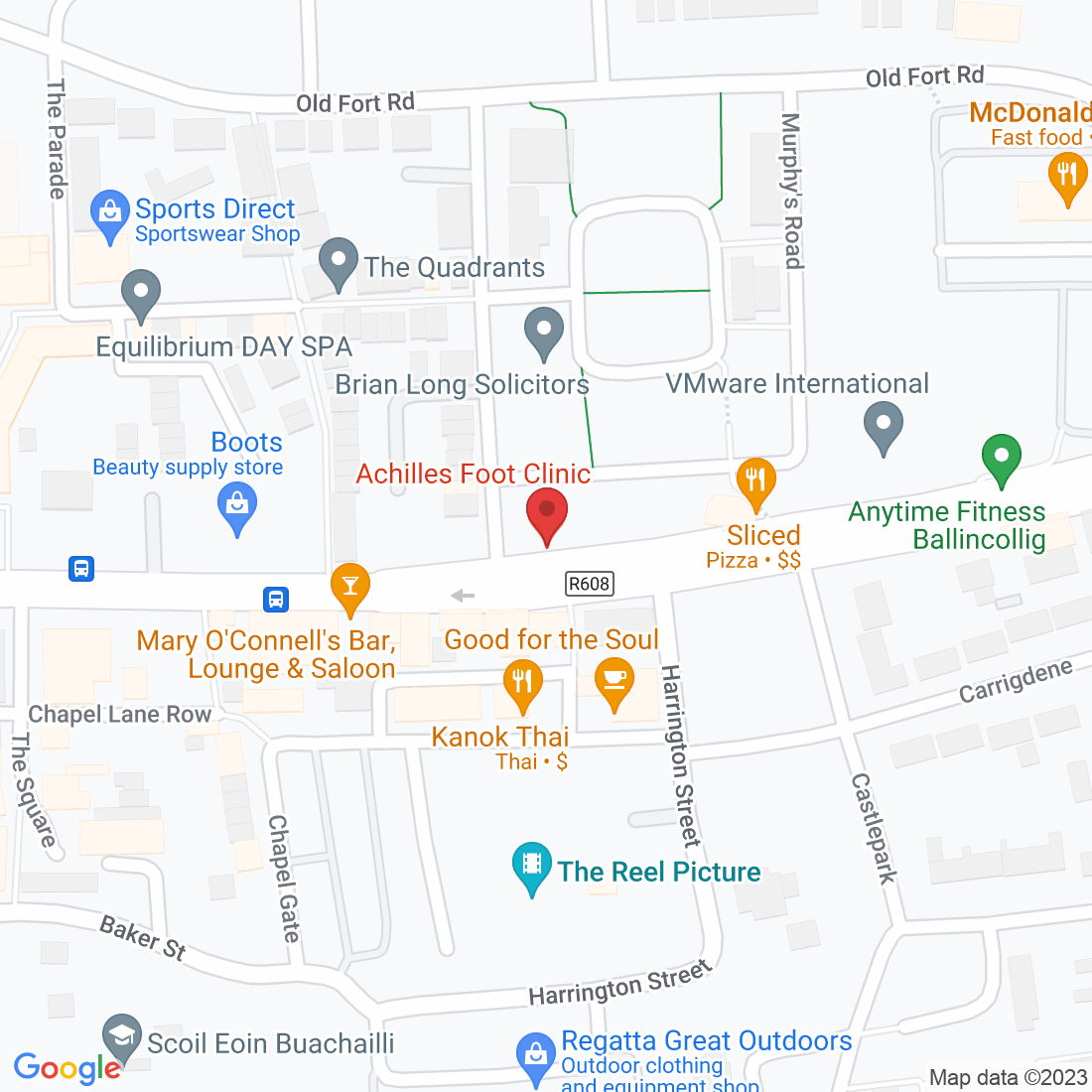
Where To Find Achilles Clinic
Ready to take the next step?
We are conveniently located in the western side of Cork City in Ballincollig.
Main Street, Ballincollig
Open 8am – 6pm (Mon-Fri)
Free Parking on our doorstep
We are on the 220 bus route



Legal
How to get in touch
© Copyright 2022. Achilles Foot Clinic. All rights reserved.