

We have all been there, neglected a niggle in our foot and told ourselves that it would probably go away. Weeks have passed, even months, and it’s only getting worse. Then finally, when we are hobbling around barely able to walk, we decide to seek help…
Well, at Achilles Foot Clinic, we are here to help you.

Ballincollig’s Guide to Preventing Ingrown Toenails at Home
Introduction
Ingrown toenails can be a painful and frustrating foot condition affecting many individuals in Ballincollig, Cork. At Achilles Podiatry Clinic, we understand the discomfort and complications that can arise from this condition. This guide aims to provide you with essential information on preventing ingrown toenails at home, empowering you to maintain your foot health effectively.
What Causes Ingrown Toenails?
Ingrown toenails occur when the edges of the toenail grow into the surrounding skin, often leading to inflammation, pain, and infection. Several factors can contribute to the development of this condition:
- Improper Nail Trimming: Cutting toenails too short or rounding the edges can encourage the nail to grow into the skin.
- Footwear Issues: Wearing tight shoes or socks increases pressure on the toes, promoting ingrowth.
- Genetics: Some individuals may have a hereditary predisposition to ingrown toenails.
- Trauma: Injuries to the toe, such as stubbing or excessive pressure during sports, can lead to nail growth abnormalities.
How Can I Prevent Ingrown Toenails at Home?
Prevention is key when it comes to avoiding ingrown toenails. Here are several strategies that you can implement at home:
1. Proper Nail Care
Cut your toenails straight across and avoid rounding the corners. Aim to trim them regularly to maintain an appropriate length — just above the tip of the toe.
2. Choose the Right Footwear
Select shoes that provide ample room for your toes. Ensure that they are not too tight, as this can exacerbate pressure on the toenails. Consider using shoes with a wider toe box for better comfort.
3. Maintain Foot Hygiene
Wash your feet daily and keep your toenails clean and dry. This helps reduce the risk of infection if an ingrown nail does develop.
4. Consider Orthotic Solutions
If you have a foot condition such as flat feet or high arches that may contribute to ingrown toenails, consult with a podiatrist for custom orthotics, which can help improve your foot alignment and reduce pressure on your toes.
5. Monitor Foot Health
Be vigilant about changes in your foot health. If you notice any signs of redness, swelling, or pain around the toenails, take action promptly to assess the situation before it worsens.
How Can I Treat Ingrown Toenails at Home?
If you find yourself dealing with an ingrown toenail, there are some home remedies you can try to alleviate pain and prevent infection:
1. Soak Your Feet
Soaking your feet in warm, soapy water for about 15-20 minutes can help reduce swelling and soften the skin around the ingrown nail.
2. Lift the Nail Edge
After soaking, gently lift the edge of the ingrown toenail with a small piece of cotton or dental floss. This method can help alleviate pressure and guide the nail to grow above the skin.
3. Apply Antiseptic Cream
Applying a topical antiseptic cream can help prevent infection. Make sure to cover the area with a sterile bandage afterward.
4. Pain Management
Over-the-counter pain relievers, such as ibuprofen or acetaminophen, can help manage discomfort and reduce inflammation.
5. Avoid Ingrown Nail Triggers
Be proactive in eliminating activities that could worsen your condition, like tight shoes or excessive foot stress.
When Should You See a Podiatrist?
If home treatments do not relieve your symptoms or if the ingrown toenail worsens, it’s crucial to seek professional help. Signs that warrant a visit to the Achilles Podiatry Clinic include:
- Persistent pain or swelling
- Signs of infection, such as pus or increased redness
- Difficulty in walking or bearing weight on the affected foot
Frequently Asked Questions (FAQ)
- Can ingrown toenails be hereditary?
Yes, genetics can play a role in the likelihood of developing ingrown toenails. - Are ingrown toenails more common in certain footwear?
Yes, tight or ill-fitting shoes can increase the risk of ingrown toenails. - How can I differentiate between an ingrown toenail and other conditions?
Ingrown toenails typically present as localized pain, redness, and swelling around the nail edge. Consult a podiatrist for accurate diagnosis. - Is it safe to treat an ingrown toenail on my own?
Minor cases may be treated at home, but severe or persistent cases should be evaluated by a professional. - What treatments are available at a podiatrist office?
Podiatrists can provide options such as nail partial removal, antibiotics for infections, and advice on proper nail care.
Conclusion
Preventing ingrown toenails requires consistent care and attention to your foot health. By following the tips outlined in this guide and seeking professional assistance when necessary, you can significantly reduce your risk of developing this common condition. For comprehensive care and tailored treatment plans, visit Achilles Podiatry Clinic in Ballincollig, Cork. Book an appointment today to ensure healthy, pain-free feet.
Ask Lorcan And His Team
Fill in the form to request a Call From Our Team
Fill in the form to request a Call From Our Team
One of our team will call you for FREE and answer any questions or concerns you may have about Bunions.
One of our team will call you for FREE and answer any questions or concerns you may have about your uncomfortable Bunions.

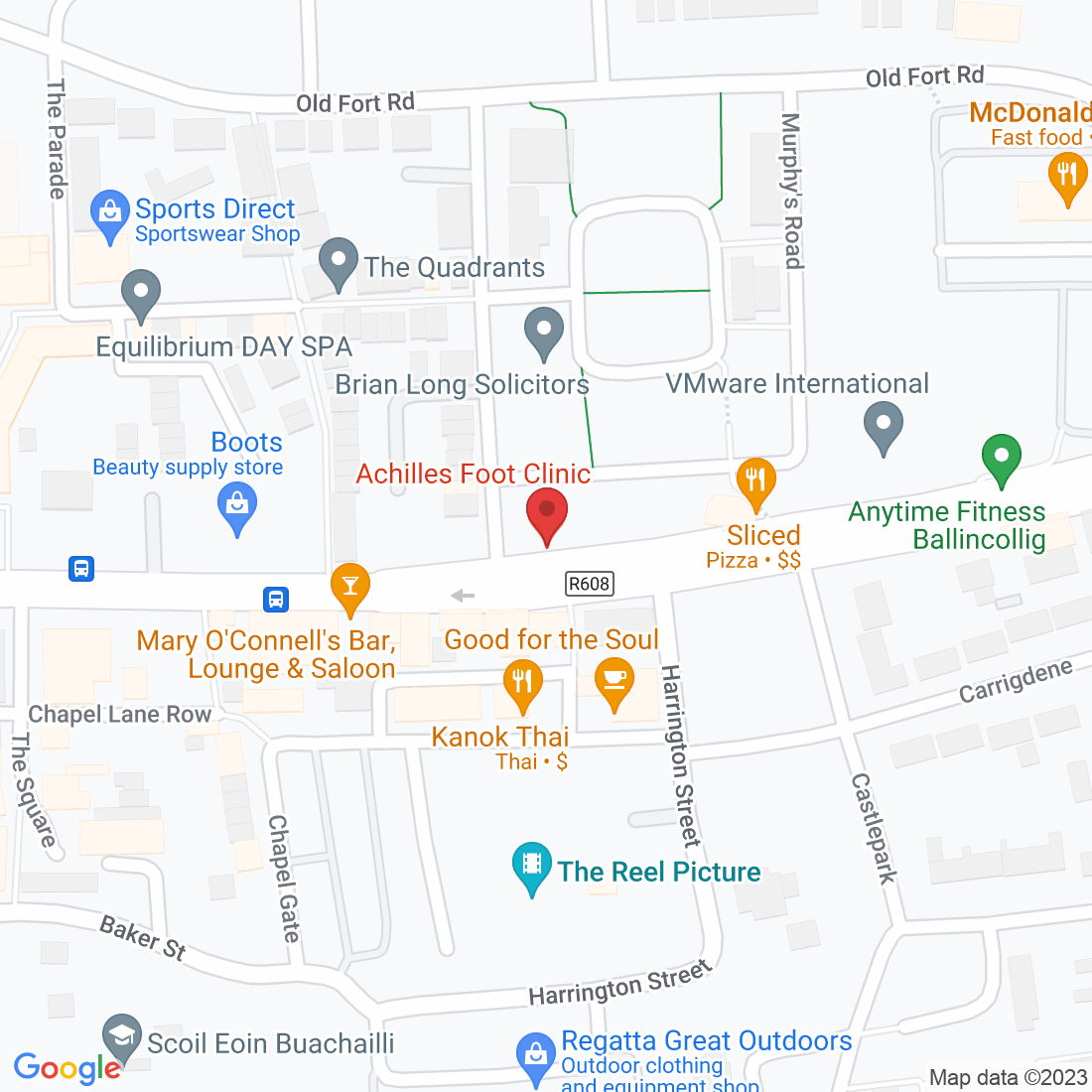
Where To Find Achilles Clinic
Ready to take the next step?
We are conveniently located in the western side of Cork City in Ballincollig.
Main Street, Ballincollig
Open 8am – 6pm (Mon-Fri)
Free Parking on our doorstep
We are on the 220 bus route



Legal
How to get in touch
© Copyright 2022. Achilles Foot Clinic. All rights reserved.