

We have all been there, neglected a niggle in our foot and told ourselves that it would probably go away. Weeks have passed, even months, and it’s only getting worse. Then finally, when we are hobbling around barely able to walk, we decide to seek help…
Well, at Achilles Foot Clinic, we are here to help you.
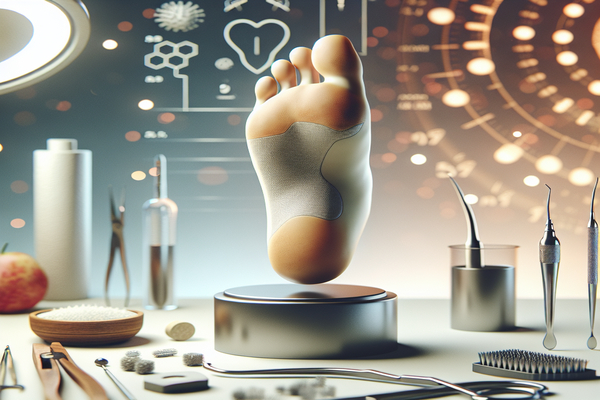
Callus Removal in Ballincollig: Safe Options for Softer, Healthier Feet
Understanding Calluses: Causes and Symptoms
Calluses are thickened areas of skin that develop as a natural response to friction and pressure. They often appear on the feet, particularly on the soles, heels, and toes. In Ballincollig, Cork, patients at Achilles Podiatry Clinic frequently seek callus removal treatments for both cosmetic and health reasons.
Common symptoms include:
- Thick, rough patches of skin
- Pain or discomfort while walking or standing
- Discoloration of the skin, appearing yellowish or greyish
- Hard, dry skin that may crack or peel
What Causes Calluses on the Feet?
Calluses form as a protective mechanism against repetitive trauma, and several factors can contribute to their development:
- Improper Footwear: Shoes that are too tight, too loose, or lack proper support can cause friction.
- Foot Conditions: Conditions such as bunions, hammertoes, and flat feet can lead to abnormal pressure on certain areas of the foot.
- Activities: High-impact activities such as running or dancing can lead to callus formation due to repetitive stress.
- Diabetes: Diabetes can affect skin health, making calluses more likely to form.
How Can I Treat Calluses Safely?
At Achilles Podiatry Clinic, we provide various safe treatment options for callus removal tailored to individual patient needs:
- Professional Debridement: Our trained podiatrists can safely remove thickened skin using sterile instruments.
- Moisturization: Applying creams containing urea or lactic acid can help soften the skin, making it easier to manage calluses.
- Custom Orthotics: Shoe inserts can help redistribute pressure and prevent callus formation in the future.
- Footwear Advice: We offer guidance on choosing proper footwear that reduces the risk of callus formation.
Are Home Remedies Effective for Callus Removal?
While there are several home remedies for callus treatment, their effectiveness can vary. Common home treatments include:
- Pumice Stone: Gently rubbing the callus with a pumice stone after soaking the foot can help reduce thickness.
- Foot Soaks: Warm water soaks can soften the skin, making it easier to remove calluses.
- Over-the-counter Products: Some patients may use liquid callus removers containing salicylic acid, but these should be used with caution.
It's important to note that self-treatment does not prevent the callus from returning. Consultation with a podiatrist is recommended for persistent issues.
When Should You Seek Professional Help?
Seeking professional help is crucial when:
- The callus becomes painful or inflamed
- You have diabetes or any condition that affects circulation
- There are signs of infection, such as redness, swelling, or drainage
- Home remedies have not provided relief over time
Preventing Calluses: Best Practices
To minimize the risk of developing calluses, consider the following preventive measures:
- Choose well-fitting shoes that provide adequate support and cushioning.
- Wear protective padding for areas prone to friction.
- Keep your feet moisturized to prevent dryness and cracking.
- Maintain regular foot hygiene, including trimming toenails properly and inspecting feet for sores or changes in skin texture.
Frequently Asked Questions (FAQ)
1. Can calluses be removed completely?
While professional treatment can significantly reduce callus thickness, they may return if the underlying cause is not addressed.
2. Is callus removal painful?
Professional debridement is generally painless when performed by a qualified podiatrist. Patients may experience slight discomfort with home remedies.
3. How often should I see a podiatrist for callus issues?
It varies by individual. Patients with chronic callus problems may benefit from quarterly check-ups, while others may need to visit as necessary.
4. Are there any risks associated with callus treatment?
Possible risks include infection or injury to underlying tissues; hence it is essential to have treatments performed by a qualified professional.
5. Can children develop calluses?
Yes, children can develop calluses, often due to improper footwear or high physical activity. Monitoring foot health from a young age is essential.
Conclusion: Achieve Softer, Healthier Feet in Ballincollig
If you are struggling with painful or unsightly calluses, it's time to take action. At Achilles Podiatry Clinic in Ballincollig, Cork, our team of experienced podiatrists is dedicated to helping you achieve softer, healthier feet through safe and effective treatment options.
Book your appointment today and step towards improved foot health!
Ask Lorcan And His Team
Fill in the form to request a Call From Our Team
Fill in the form to request a Call From Our Team
One of our team will call you for FREE and answer any questions or concerns you may have about Bunions.
One of our team will call you for FREE and answer any questions or concerns you may have about your uncomfortable Bunions.

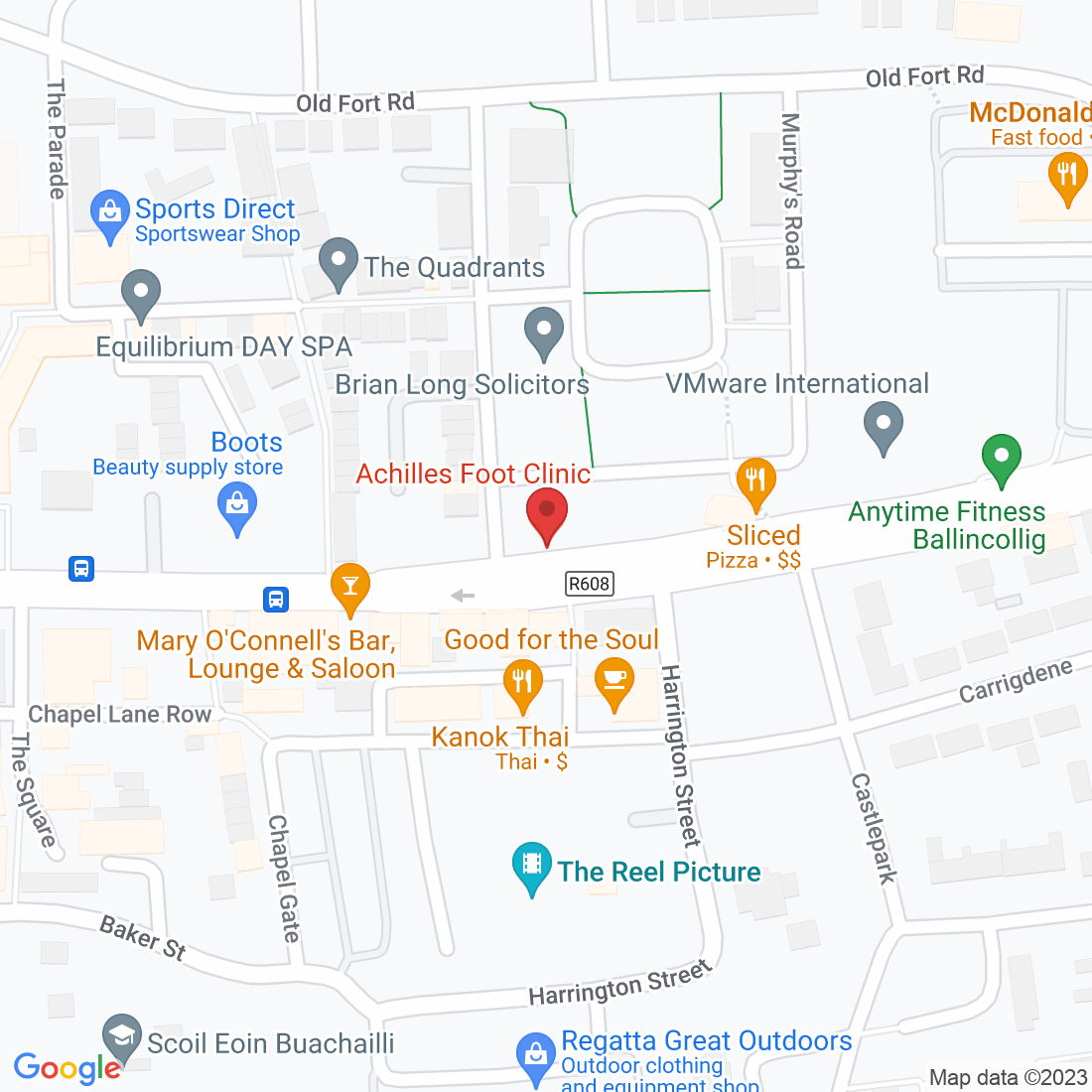
Where To Find Achilles Clinic
Ready to take the next step?
We are conveniently located in the western side of Cork City in Ballincollig.
Main Street, Ballincollig
Open 8am – 6pm (Mon-Fri)
Free Parking on our doorstep
We are on the 220 bus route



Legal
How to get in touch
© Copyright 2022. Achilles Foot Clinic. All rights reserved.