

We have all been there, neglected a niggle in our foot and told ourselves that it would probably go away. Weeks have passed, even months, and it’s only getting worse. Then finally, when we are hobbling around barely able to walk, we decide to seek help…
Well, at Achilles Foot Clinic, we are here to help you.

Early Signs of Hammertoes That Ballincollig Patients Shouldn’t Overlook
Introduction
Welcome to the Achilles Podiatry Clinic in Ballincollig, Cork. Understanding foot health is crucial, especially when it comes to conditions like hammertoes. Early identification of this foot deformity can make a significant difference in treatment outcomes. In this article, we will discuss the early signs of hammertoes that patients in Ballincollig should not overlook, enabling you to seek timely care.
What are Hammertoes?
Hammertoe is a common foot condition characterized by an abnormal bend in the middle joint of one or more toes, often affecting the second, third, or fourth toes. This deformity can lead to discomfort, pain, and difficulty in walking. As the condition progresses, the toes may become rigid, making it increasingly challenging to manage.
What Causes Hammertoes?
- Genetic Predisposition: Some individuals inherit a tendency to develop hammertoes.
- Improper Footwear: Wearing tight shoes, high heels, or shoes with a narrow toe box can contribute to the development of hammertoes.
- Foot Conditions: Conditions such as arthritis, neuromuscular disorders, or previous injuries can result in hammertoes.
- Muscle Imbalance: An imbalance in the muscles, tendons, or ligaments around the toe joints can lead to the abnormal bending of the toes.
Early Signs of Hammertoes
Recognizing the early signs of hammertoes can help you take action before the condition worsens. Here are some signs to look out for:
- Changes in Toe Position: If you notice any of your toes curling downwards or bending at the middle joint, it may be an early indicator of hammertoes.
- Pain or Discomfort: You might experience pain or discomfort in the affected toe, especially while wearing shoes or engaging in certain activities.
- Swelling and Redness: Look for signs of inflammation around the toe joint, which may suggest irritation.
- Corns or Calluses: The development of corns or calluses on the tops or sides of the toes due to friction from shoes can be a sign of hammertoes.
- Difficulties in Footwear Fitting: If your shoes feel tighter or uncomfortable in the toe area, it could be attributed to the onset of hammertoes.
How Can Hammertoes Be Treated?
Early treatment of hammertoes is essential for preventing further complications. Here are some effective strategies:
- Footwear Modifications: Opt for shoes with a wider toe box and more flexible materials to alleviate pressure on the toes.
- Orthotic Devices: Custom orthotics can help redistribute pressure and provide better support.
- Toe Exercises: Simple exercises can strengthen toe muscles and improve flexibility. Consider exercises like toe curls and stretches.
- Padding and Taping: Using padding can help cushion the toes, while taping can aid in maintaining a proper position.
- Medical Intervention: If conservative treatments fail, surgical options may be considered to correct the deformity.
When to Seek Professional Help
If you suspect you may have hammertoes or are experiencing any of the symptoms mentioned, it’s important to consult a specialist. At Achilles Podiatry Clinic, our team is dedicated to providing comprehensive assessments and tailored treatment options for each patient. Early intervention can lead to more favorable outcomes and prevent further complications.
FAQs About Hammertoes
- Q: Can hammertoes be reversed?
A: In the early stages, hammertoes can be managed effectively with conservative treatments like exercises and proper footwear. In later stages, surgical intervention may be necessary. - Q: Is surgery the only option for hammertoes?
A: No, many patients find relief through non-surgical treatments such as orthotics, exercises, and proper shoe selection. - Q: Are hammertoes hereditary?
A: Yes, genetic factors can play a role in the development of hammertoes. Family history should be considered in early assessment. - Q: How long does it take to recover from hammertoe surgery?
A: Recovery time varies, but most patients can expect several weeks for initial recovery, with full healing potentially taking several months. - Q: Can I prevent hammertoes?
A: Yes, wearing appropriate footwear and performing foot exercises can significantly reduce the risk of developing hammertoes.
Conclusion
Recognizing the early signs of hammertoes is crucial for effective treatment and prevention of complications. If you are located in Ballincollig and have concerns about your foot health, don’t hesitate to reach out to our team at Achilles Podiatry Clinic. Our expert staff is here to provide you with the care you need. To book an appointment, please visit our booking page.
```
Ask Lorcan And His Team
Fill in the form to request a Call From Our Team
Fill in the form to request a Call From Our Team
One of our team will call you for FREE and answer any questions or concerns you may have about Bunions.
One of our team will call you for FREE and answer any questions or concerns you may have about your uncomfortable Bunions.

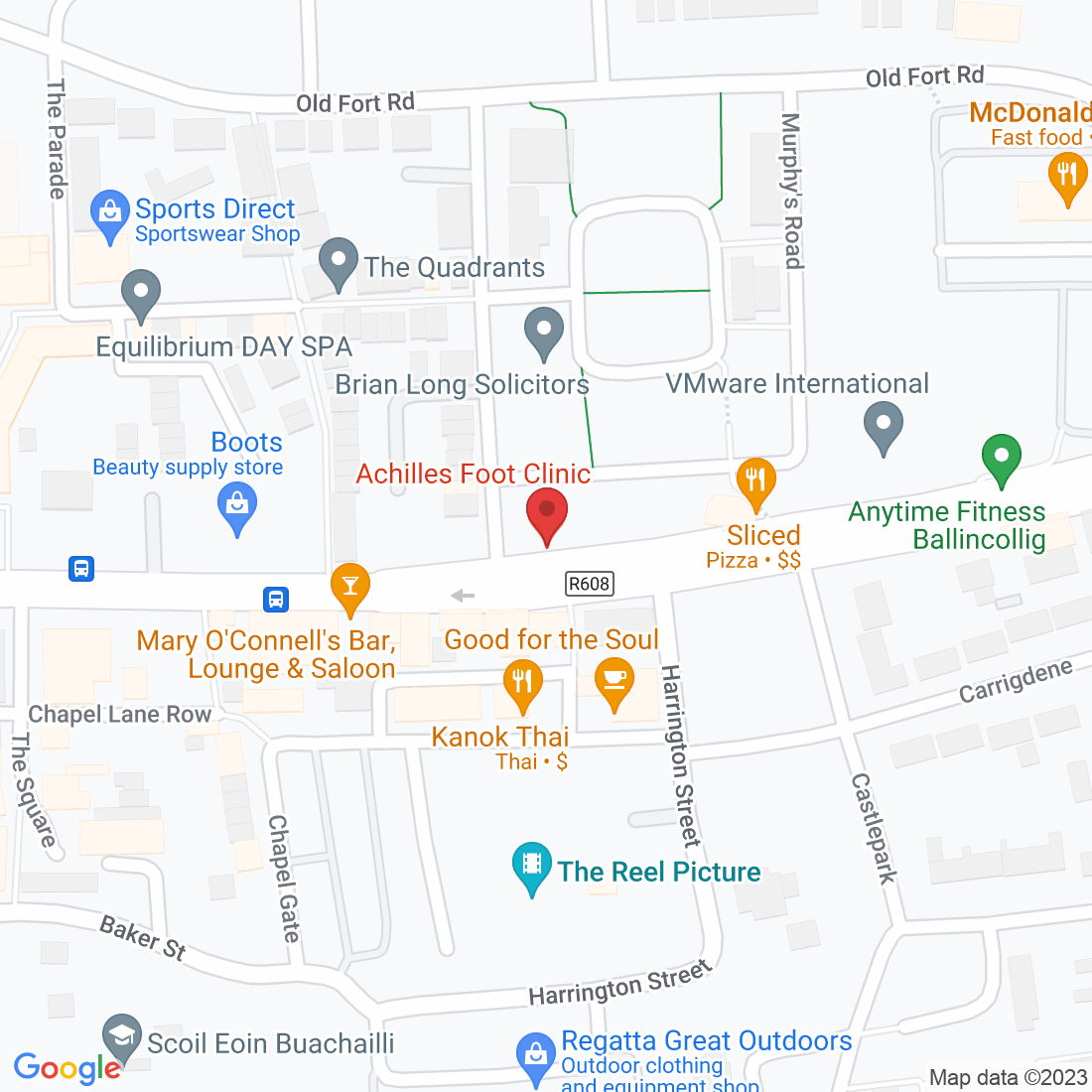
Where To Find Achilles Clinic
Ready to take the next step?
We are conveniently located in the western side of Cork City in Ballincollig.
Main Street, Ballincollig
Open 8am – 6pm (Mon-Fri)
Free Parking on our doorstep
We are on the 220 bus route



Legal
How to get in touch
© Copyright 2022. Achilles Foot Clinic. All rights reserved.