

We have all been there, neglected a niggle in our foot and told ourselves that it would probably go away. Weeks have passed, even months, and it’s only getting worse. Then finally, when we are hobbling around barely able to walk, we decide to seek help…
Well, at Achilles Foot Clinic, we are here to help you.

Foot Biomechanics Explained: Why Your Walk Pattern Might Be Causing Pain (Ballincollig Edition)
Foot Biomechanics Explained: Why Your Walk Pattern Might Be Causing Pain
Welcome to Achilles Podiatry Clinic, your trusted source for podiatric care in Ballincollig, Cork. Understanding foot biomechanics is crucial as it plays a vital role in how we walk, run, and engage in daily activities. Often, an improper walk pattern, also known as gait, can result in various foot pain and conditions. In this article, we will explore the concept of foot biomechanics, its implications, and the ways to improve your walking pattern to alleviate discomfort.
What are Foot Biomechanics?
Foot biomechanics refers to the study of the mechanical aspects of how the foot functions during movement. It involves the analysis of movement patterns, pressure distribution, and the way different body parts interact while walking or running. Proper foot biomechanics ensures that the foot maintains its structure, balance, and efficiency during various activities.
How Does Your Walk Pattern Cause Pain?
Your walk pattern can influence numerous aspects of your health. Some common ways an improper gait can lead to pain include:
- Overpronation: This occurs when the foot rolls inward excessively, causing strain on the arch and leading to conditions such as plantar fasciitis.
- Supination: Insufficient pronation can result in supination, where the foot rolls outward, increasing pressure on the outer foot and leading to ankle injuries.
- Flat feet: Having flat arches can affect walking mechanics, resulting in lower back or knee pain due to altered alignment.
- High arches: High arches can lead to instability and increased shock, contributing to conditions like heel spurs or metatarsalgia.
What Causes Poor Gait Patterns?
Various factors can contribute to developing an inefficient gait pattern, including:
- Foot structure: Genetics play a significant role in the shape and structure of your feet.
- Muscle weakness: Weakness in the foot muscles or the supporting muscles of the legs can lead to inadequate control during walking.
- Injuries: Previous injuries may alter your walking pattern as the body compensates for pain.
- Improper footwear: Wearing shoes that do not provide adequate support can exacerbate issues.
How Can I Assess My Gait Pattern?
To better understand your gait pattern, consider the following methods:
- Gait Analysis: At Achilles Podiatry Clinic, we perform comprehensive gait analysis to assess your walking pattern using specialized equipment.
- Observation: You can observe your walk in a mirror or have someone video you walking to notice any irregularities.
- Pain Assessment: Take note of where and when you experience pain, which will help your podiatrist put together a holistic view of your foot health.
What Treatments are Available for Improving Gait Patterns?
Improving your gait can often alleviate pain and prevent further complications. Here are some common treatments:
- Custom Orthotics: These are specially designed insoles that provide support and correct misalignment.
- Physical Therapy: A trained physical therapist can guide you through exercises that strengthen the feet and legs, enhance stability, and correct gait patterns.
- Footwear Recommendations: Our podiatrists may recommend specific types of shoes to ensure you receive adequate support and cushioning.
- Stretching and Strengthening Exercises: Targeted exercises to improve flexibility and muscle strength in the foot and lower leg.
How Can I Prevent Foot Pain Related to Gait Issues?
Preventing foot pain requires proactive management of your foot health. Here are some suggestions:
- Choose shoes that fit well and provide ample support.
- Maintain a healthy weight to reduce stress on your feet.
- Engage in regular exercise that includes foot-strengthening activities.
- Schedule regular check-ups with our podiatrists at Achilles Podiatry Clinic to monitor foot health.
FAQ
1. What are signs of a poor gait?
Common signs include uneven wear on shoes, pain in the feet, knees, or back, and difficulties in maintaining balance.
2. Can foot biomechanics affect my overall health?
Yes, improper foot mechanics can lead to issues beyond the feet, affecting the knees, hips, and lower back due to compensatory movements.
3. What should I do if I have persistent foot pain?
It’s essential to consult with a podiatrist. Early intervention can prevent more severe problems.
4. Are custom orthotics suitable for everyone?
While they are beneficial for many, each case is unique. A consultation can determine their necessity for your specific condition.
5. How often should I have my gait assessed?
If you are experiencing pain or discomfort, a gait assessment should be part of your regular foot care regime, ideally every 6 to 12 months.
Conclusion
Understanding foot biomechanics helps identify how your walk pattern may cause pain. At Achilles Podiatry Clinic in Ballincollig, Cork, we are committed to helping you diagnose and treat any foot-related issues. If you are experiencing foot pain or suspect your gait pattern might be contributing to it, do not hesitate to seek professional advice. Book an appointment today and take the first step towards improved foot health!

Ask Lorcan And His Team
Fill in the form to request a Call From Our Team
Fill in the form to request a Call From Our Team
One of our team will call you for FREE and answer any questions or concerns you may have about Bunions.
One of our team will call you for FREE and answer any questions or concerns you may have about your uncomfortable Bunions.

Where To Find Achilles Clinic
Ready to take the next step?
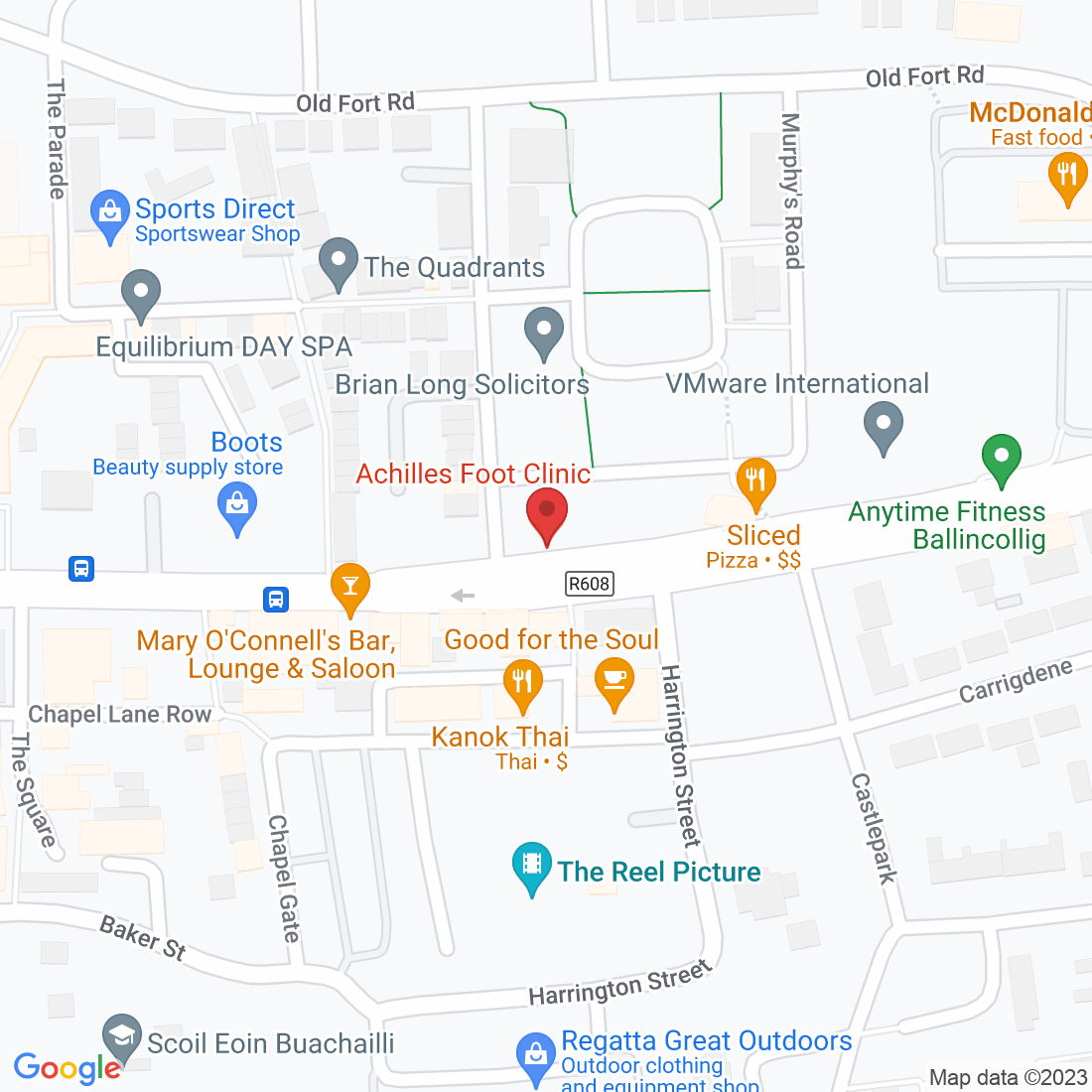
We are conveniently located in the western side of Cork City in Ballincollig.
Main Street, Ballincollig
Open 8am – 6pm (Mon-Fri)
Free Parking on our doorstep
We are on the 220 bus route



Legal
How to get in touch
© Copyright 2022. Achilles Foot Clinic. All rights reserved.