

We have all been there, neglected a niggle in our foot and told ourselves that it would probably go away. Weeks have passed, even months, and it’s only getting worse. Then finally, when we are hobbling around barely able to walk, we decide to seek help…
Well, at Achilles Foot Clinic, we are here to help you.
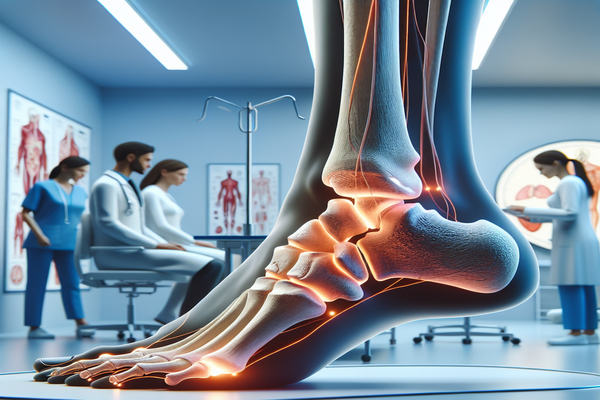
Heel Spurs in Ballincollig: Why They Happen and What You Can Do
Introduction
If you’ve been experiencing pain in your heel, you may be one of the many residents of Ballincollig, Cork, dealing with heel spurs. At Achilles Podiatry Clinic, we specialize in diagnosing and treating various foot conditions, including heel spurs. In this blog post, we will explore what heel spurs are, why they occur, and what you can do to alleviate the discomfort associated with them.
What Are Heel Spurs?
A heel spur is a bony outgrowth that develops on the underside of the heel bone (calcaneus). This growth is created when calcium deposits form over time and can be a common cause of heel pain. Heel spurs are often associated with plantar fasciitis, a condition that causes inflammation of the plantar fascia, the thick band of tissue that runs along the bottom of your foot.
What Causes Heel Spurs?
Heel spurs typically develop due to repeated stress and strain on the foot. Here are some common factors that contribute to their formation:
- Overuse: Activities that put excessive pressure on the heel, such as running or standing for prolonged periods, can lead to heel spurs.
- Foot Structure: Certain foot types, such as flat feet or high arches, can alter how weight is distributed across the foot, contributing to spur formation.
- Aging: As we age, the plantar fascia can weaken, making older adults more prone to heel spurs.
- Improper Footwear: Wearing shoes that do not provide adequate support can increase the risk of developing heel spurs.
- Obesity: Excess body weight adds increased stress to the feet, leading to conditions like heel spurs.
How Are Heel Spurs Diagnosed?
To diagnose heel spurs, a podiatrist will perform a thorough evaluation, including:
- Medical History: Discussion of symptom onset, duration, and any relevant medical history.
- Physical Examination: Checking for tenderness in the heel and evaluating foot mechanics.
- X-rays: Imaging may be required to visualize the heel spur and confirm its presence.
How Can I Treat Heel Spurs?
Effective treatment options for heel spurs focus on relieving pain and addressing the underlying causes. Here are some commonly recommended treatments:
- Rest: Limiting activities that trigger heel pain can help reduce inflammation.
- Ice Therapy: Applying ice to the heel for 15-20 minutes several times a day can help alleviate pain and swelling.
- Stretching Exercises: Specific stretches for the Achilles tendon and plantar fascia can increase flexibility and reduce tension.
- Footwear Modifications: Wearing well-fitted shoes with good arch support can significantly reduce stress on the heel.
- Orthotic Devices: Custom orthotics may be recommended to redistribute pressure on the heel and provide support.
- Physical Therapy: A physiotherapist can guide you through exercises designed to strengthen foot muscles and improve dynamics.
- Corticosteroid Injections: In some cases, your doctor may recommend injections to relieve inflammation and pain.
When Should I Seek Medical Attention?
If heel pain persists despite at-home treatment, or if you experience severe pain that limits daily activities, it is essential to consult a healthcare professional. Recurrent heel pain may indicate more serious underlying conditions that require specialized treatment.
FAQ About Heel Spurs
- Are heel spurs dangerous? Heel spurs themselves are not dangerous, but they can cause significant discomfort and may indicate other foot-related conditions.
- Can heel spurs go away on their own? In some cases, heel spur pain may decrease with conservative treatment, but the spur itself may remain.
- Is surgery necessary for heel spurs? Surgery is rarely required and is generally considered a last resort after other treatments have failed.
- Can I prevent heel spurs? Maintaining a healthy weight, wearing supportive footwear, and avoiding excessive foot strain can help prevent heel spurs.
- What can I expect during recovery? With proper treatment, many patients experience significant relief within weeks, but recovery times can vary.
Conclusion
Heel spurs can be a painful condition affecting many individuals in Ballincollig, Cork. By understanding the causes and exploring the treatment options available at Achilles Podiatry Clinic, you can take proactive steps to manage this discomfort. If you're struggling with heel pain, don’t hesitate to reach out to us for a comprehensive evaluation and personalized treatment plan. Book your appointment today by visiting our online scheduling page.

Ask Lorcan And His Team
Fill in the form to request a Call From Our Team
Fill in the form to request a Call From Our Team
One of our team will call you for FREE and answer any questions or concerns you may have about Bunions.
One of our team will call you for FREE and answer any questions or concerns you may have about your uncomfortable Bunions.

Where To Find Achilles Clinic
Ready to take the next step?
We are conveniently located in the western side of Cork City in Ballincollig.
Main Street, Ballincollig
Open 8am – 6pm (Mon-Fri)
Free Parking on our doorstep
We are on the 220 bus route




Legal
How to get in touch
© Copyright 2022. Achilles Foot Clinic. All rights reserved.