

We have all been there, neglected a niggle in our foot and told ourselves that it would probably go away. Weeks have passed, even months, and it’s only getting worse. Then finally, when we are hobbling around barely able to walk, we decide to seek help…
Well, at Achilles Foot Clinic, we are here to help you.
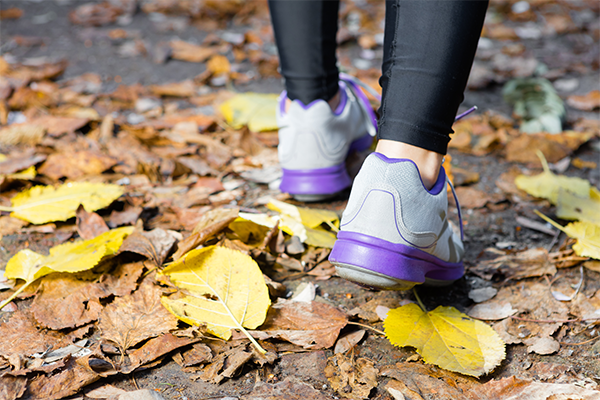
What to Look for When Buying Everyday Shoes
Understanding Foot Anatomy and Shoe Selection
Choosing the right everyday shoes is essential for maintaining optimal foot health. At Achilles Podiatry Clinic in Ballincollig, Cork, we often see the impact that improper footwear can have on common foot conditions such as plantar fasciitis, bunions, and flat feet. This article provides a comprehensive guide on what to look for when buying everyday shoes to ensure comfort and support for your feet.
Why Are Everyday Shoes Important?
Everyday shoes play a crucial role in supporting your foot's anatomy, including the arches, ligaments, and tendons. Properly fitted shoes can alleviate pain associated with various foot conditions and help prevent future injuries. Shoes that lack support can lead to misalignment of the foot and exacerbate existing issues.
What Features Should You Look For?
- Arch Support: Shoes should provide adequate arch support to align your feet properly and alleviate pressure from the plantar fascia.
- Heel Height: A moderate heel height (approximately 1-2 inches) is ideal for distributing weight evenly across the foot.
- Toe Box Space: Ensure that the toe box is wide enough to allow your toes to move freely without cramping.
- Materials: Choose shoes made from breathable materials that help wick moisture away and reduce the risk of fungal infections.
- Weight: Lighter shoes can reduce fatigue but ensure they provide adequate support and cushioning.
What Foot Conditions Should You Consider?
When selecting everyday shoes, it's vital to be aware of any existing foot conditions:
- Plantar Fasciitis: Look for shoes with strong arch support and cushioning to absorb shock.
- Bunions: Opt for shoes with a wide toe box to accommodate the bony bump and reduce pressure.
- Flat Feet: Consider stability shoes that provide extra support and prevent overpronation.
- Neuroma: Choose shoes with a soft upper to decrease irritation on the nerves in your foot.
How Can I Test the Fit of New Shoes?
To ensure a proper fit, follow these steps:
- Try shoes on at the end of the day when your feet are slightly swollen.
- Check for a thumb's width of space from the end of your longest toe to the front of the shoe.
- Walk around the store to assess comfort. Pay attention to areas where you feel pressure or discomfort.
- Wear the same type of socks you intend to use with the shoes when trying them on.
What Are the Benefits of Specialized Footwear?
Specialized footwear, such as orthotics or custom inserts, can significantly enhance comfort for individuals with specific foot issues. Here are the benefits:
- Orthotics can provide tailored arch support and cushioning where needed.
- They can help redistribute pressure across the foot, minimizing pain from conditions like plantar fasciitis.
- Custom inserts may help in sports by improving shock absorption and stability.
Common Myths About Everyday Shoes
Are Expensive Shoes Always Better?
Price does not always equate to quality or appropriate support. It’s essential to focus on fit and features rather than brand alone.
Does Breaking in Shoes Work?
If shoes cause discomfort from the start, it's likely they aren't the right fit. Properly fitting shoes should feel comfortable immediately.
FAQs About Buying Everyday Shoes
1. How often should I replace my everyday shoes?
Everyday shoes typically need to be replaced every 300 to 500 miles, or when they show significant wear.
2. Can shoe insoles really help foot pain?
Yes, insoles can provide additional support and cushioning, helping alleviate foot pain associated with various conditions.
3. Should I wear shoes indoors or outdoors?
Wearing shoes indoors can protect your feet from injuries and can provide better support compared to going barefoot.
4. How do I know if I need orthopedic shoes?
If you frequently experience foot pain or have been diagnosed with a foot condition, consult with a specialist who may recommend orthopedic shoes.
5. What should I do if I still have foot pain after buying new shoes?
If foot pain persists, it is advisable to see a podiatrist for a comprehensive evaluation. Early intervention can prevent more serious issues.
Conclusion
Investing time in finding the right everyday shoes can significantly enhance your foot health and overall well-being. At the Achilles Podiatry Clinic in Ballincollig, Cork, we encourage you to consider your specific foot needs carefully and consult with our experts if you have any concerns. To schedule an appointment, please book here.

Ask Lorcan And His Team
Fill in the form to request a Call From Our Team
Fill in the form to request a Call From Our Team
One of our team will call you for FREE and answer any questions or concerns you may have about Bunions.
One of our team will call you for FREE and answer any questions or concerns you may have about your uncomfortable Bunions.

Where To Find Achilles Clinic
Ready to take the next step?
We are conveniently located in the western side of Cork City in Ballincollig.
Main Street, Ballincollig
Open 8am – 6pm (Mon-Fri)
Free Parking on our doorstep
We are on the 220 bus route




Legal
How to get in touch
© Copyright 2022. Achilles Foot Clinic. All rights reserved.