

We have all been there, neglected a niggle in our foot and told ourselves that it would probably go away. Weeks have passed, even months, and it’s only getting worse. Then finally, when we are hobbling around barely able to walk, we decide to seek help…
Well, at Achilles Foot Clinic, we are here to help you.

Morton’s Neuroma or Just a Pebble in Your Shoe? Here’s How Ballincollig Patients Can Tell
Understanding Morton’s Neuroma
If you’ve recently experienced foot pain while walking or wearing shoes, you might be wondering if it's just a pebble lodged in your shoe or something a little more serious, like Morton’s neuroma. At Achilles Podiatry Clinic in Ballincollig, Cork, we understand the frustration of unexplained foot discomfort. Here, we provide an evidence-based overview of Morton’s neuroma to help our patients determine whether they need to seek treatment.
What is Morton’s Neuroma?
Morton’s neuroma is a painful condition affecting the foot, specifically the area between the third and fourth toes. This condition involves the thickening of the tissue surrounding a nerve, often leading to discomfort, burning pain, and tingling sensations in the ball of the foot.
What Causes Morton’s Neuroma?
While the exact cause of Morton’s neuroma is not fully understood, several factors can contribute to its development, including:
- Foot Structure: High arches or flat feet can put additional stress on foot nerves.
- Footwear: High-heeled shoes or tight shoes can compress nerves in the foot.
- Overactivity: Repetitive activities, like running, can aggravate nerves and lead to neuroma formation.
- Injury: Direct trauma to the foot can also contribute to nerve irritation.
How Do I Know if I Have Morton’s Neuroma?
The symptoms of Morton’s neuroma may mimic those of other foot conditions, making diagnosis challenging. Typical signs include:
- Sharp, burning pain in the ball of the foot.
- Pins-and-needles sensation or numbness in the toes.
- Pain that intensifies when wearing tight or high-heeled shoes.
- Discomfort that decreases when removing shoes or massaging the foot.
If you are experiencing these symptoms, it’s important to consult a professional podiatrist for a thorough examination.
How is Morton’s Neuroma Diagnosed?
Diagnosis typically involves a comprehensive foot examination at Achilles Podiatry Clinic. Your podiatrist may:
- Review your medical history and symptoms.
- Perform a physical examination, checking for tenderness or swelling.
- Conduct imaging tests such as ultrasound or MRI to visualize the nerve and surrounding tissues.
How Can I Treat Morton’s Neuroma?
Treatment options for Morton’s neuroma depend on the severity of the symptoms and may include:
- Conservative Treatments:
- Using orthotic devices to alleviate pressure on the affected nerve.
- Switching to footwear with a wider toe box.
- Physical therapy to strengthen and stretch the foot muscles.
- Applying ice packs to reduce swelling.
- Medications:
- Non-steroidal anti-inflammatory drugs (NSAIDs) may help reduce pain and inflammation.
- Corticosteroid injections can provide temporary relief.
- Advanced Treatments:
- If conservative measures are ineffective, surgical options may be considered to remove the neuroma or alleviate pressure on the nerve.
Prevention Tips for Morton’s Neuroma
To minimize your risk of developing Morton’s neuroma, consider the following preventive measures:
- Choose footwear that provides ample support and space for your toes.
- Avoid high heels and narrow shoes.
- Maintain a healthy weight to reduce pressure on the feet.
- Consider regular visits to a podiatrist for foot health assessments.
Frequently Asked Questions (FAQ)
1. Can Morton’s neuroma go away on its own?
In some cases, mild symptoms may resolve with conservative treatments, but untreated neuromas can persist or worsen over time.
2. What types of shoes should I avoid?
Avoid shoes that are too tight, high-heeled, or lack proper arch support. Opt for shoes with a wide toe box instead.
3. Is surgery the only option for Morton’s neuroma?
Surgery is not the only option; many patients find relief through conservative treatments. Surgery is generally considered when other methods fail.
4. What is the recovery time after surgery for Morton’s neuroma?
Recovery time varies, but most patients can expect to return to normal activities within 6-8 weeks following surgery.
5. Can Morton’s neuroma affect any age group?
Yes, Morton’s neuroma can affect individuals of any age, but it is more commonly diagnosed in women aged 25-50, often due to their choice of footwear.
Conclusion: Take Care of Your Foot Health in Ballincollig!
If you’re in Ballincollig, Cork, and suspect you may have Morton’s neuroma or are experiencing foot pain, don’t hesitate to contact Achilles Podiatry Clinic. Early diagnosis and treatment can prevent the condition from worsening and can significantly improve your quality of life. Book a consultation with us today and take the first step towards pain-free feet!

Ask Lorcan And His Team
Fill in the form to request a Call From Our Team
Fill in the form to request a Call From Our Team
One of our team will call you for FREE and answer any questions or concerns you may have about Bunions.
One of our team will call you for FREE and answer any questions or concerns you may have about your uncomfortable Bunions.

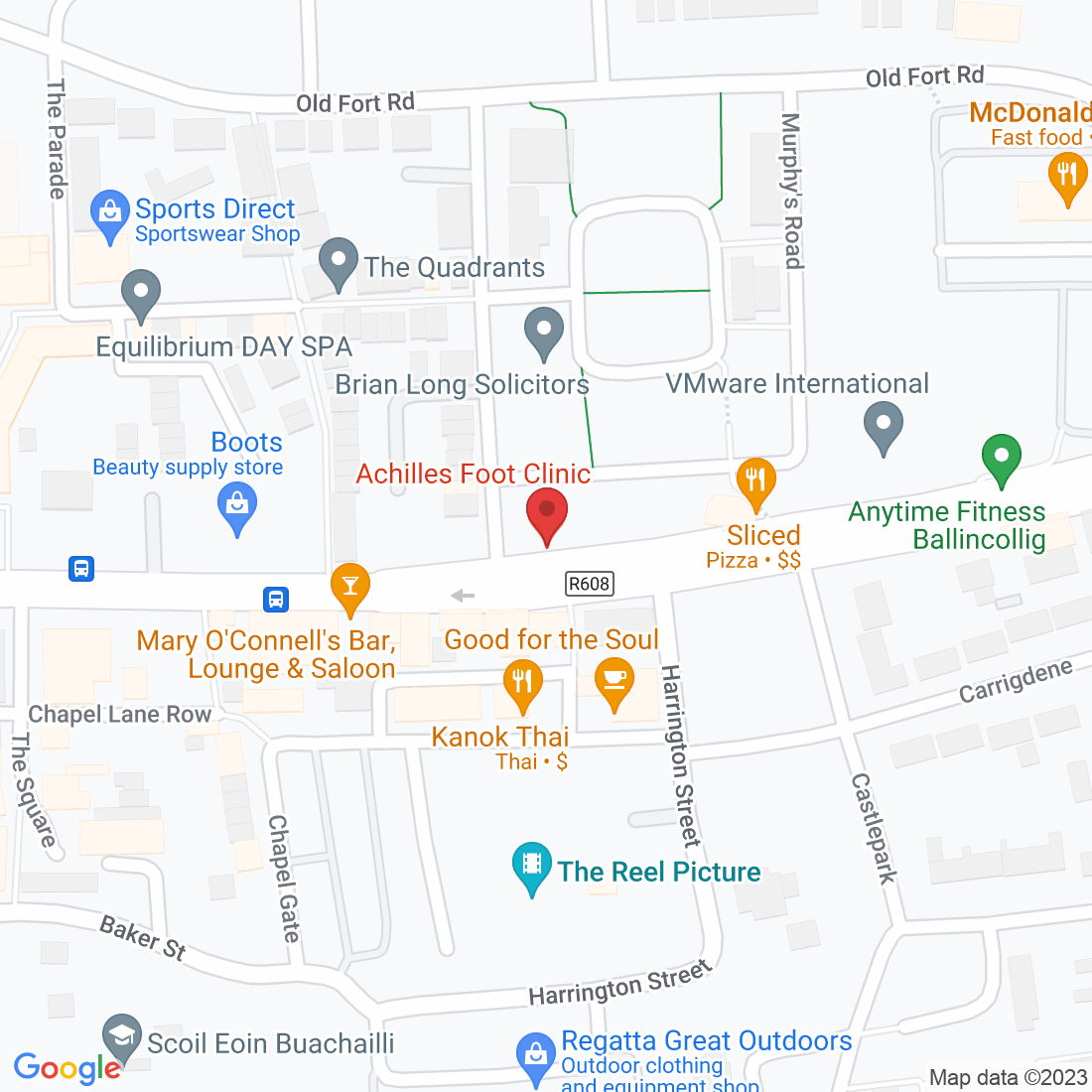
Where To Find Achilles Clinic
Ready to take the next step?
We are conveniently located in the western side of Cork City in Ballincollig.
Main Street, Ballincollig
Open 8am – 6pm (Mon-Fri)
Free Parking on our doorstep
We are on the 220 bus route



Legal
How to get in touch
© Copyright 2022. Achilles Foot Clinic. All rights reserved.