

We have all been there, neglected a niggle in our foot and told ourselves that it would probably go away. Weeks have passed, even months, and it’s only getting worse. Then finally, when we are hobbling around barely able to walk, we decide to seek help…
Well, at Achilles Foot Clinic, we are here to help you.
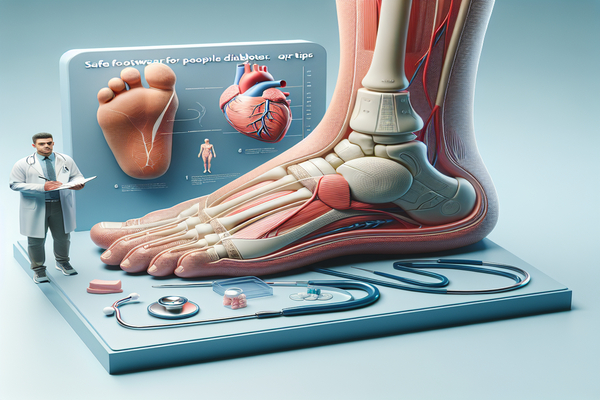
Safe Footwear for People with Diabetes: Our Top Tips
Safe Footwear for People with Diabetes: Our Top Tips
Welcome to Achilles Podiatry Clinic in Ballincollig, Cork. For individuals with diabetes, selecting the right footwear is essential for maintaining foot health and preventing complications. Poorly fitted shoes can lead to serious conditions such as diabetic ulcers, infections, and even amputations. In this article, we will explore what makes footwear safe for people with diabetes and share our top tips for selecting and maintaining appropriate shoes.
Why is Proper Footwear Crucial for Individuals with Diabetes?
Diabetes can impair blood flow and lead to neuropathy (nerve damage) in the feet, resulting in decreased sensation. This condition puts individuals at risk of unnoticed injuries and infections. Here are several reasons why proper footwear is critical:
- Pressure Distribution: Proper footwear helps distribute body weight evenly across the foot, reducing excessive pressure on specific areas.
- Protection: Shoes act as a barrier against cuts, abrasions, and impacts that can occur with everyday activities.
- Enhancement of Circulation: Footwear designed for diabetics can enhance blood circulation, preventing complications associated with poor blood flow.
- Support and Stability: Stable footwear aids in preventing falls, which can lead to further complications.
What Features Should Diabetes-Friendly Footwear Have?
When choosing shoes, consider the following features:
1. Wide Toe Box
Foot swelling is common in people with diabetes. Shoes with a wide toe box allow for comfortable movement of the toes and help prevent blisters and pressure sores.
2. Soft Upper Material
Look for shoes made of breathable, soft materials that won't irritate the skin. Leather or mesh can provide comfort while allowing moisture to escape.
3. Cushioning and Arch Support
Quality cushioning helps in shock absorption, while proper arch support maintains foot alignment and can alleviate pain from conditions like plantar fasciitis or metatarsalgia.
4. Adjustable Fastenings
Adjustable straps or laces enhance the fit and accommodate any changes in foot size due to swelling throughout the day.
5. Non-slip Soles
To reduce the risk of slips and falls, choose shoes with a firm grip and non-slip soles, particularly for individuals managing neuropathy.
How Can I Ensure My Shoes Fit Properly?
Proper fitting is as important as the shoe itself. Follow these tips to ensure a great fit:
- Measure Your Feet: Have your feet measured regularly, as foot size can change over time.
- Try Before You Buy: Walk around in the shoes to ensure they are comfortable and do not cause any bruising or discomfort.
- Wear Appropriate Socks: Use non-bulky diabetic socks that can help manage moisture without adding extra pressure.
How Can Footwear Help Manage Diabetic Foot Conditions?
Individuals with diabetes are prone to specific foot problems such as neuropathy, calluses, and infections. Wearing appropriate footwear can address these conditions:
Neuropathy
For those living with neuropathy, cushioned and supportive shoes can help reduce foot pain and improve stability.
Diabetic Ulcers
Diabetic ulcers will not heal effectively if placed under pressure. Footwear designed to alleviate pressure in at-risk areas is key to prevention.
Calluses and Corns
Footwear that fits well can help prevent calluses and corns by reducing friction on the foot.
When Should I Replace My Footwear?
It’s essential to regularly check and replace footwear to ensure they continue to provide protection and support:
- Check for Wear and Tear: Inspect your shoes for signs of wear, such as broken soles or stretched uppers.
- Listen to Your Feet: If you experience new foot pain, it may be time to consider new footwear.
- Every 6 Months: Ideally, you should replace diabetic shoes every 6–12 months, depending on usage and wear.
FAQ
1. What types of shoes should people with diabetes avoid?
Avoid shoes with pointed toes, high heels, or narrow fits. Flip-flops and sandals without support are also not recommended as they do not protect the feet adequately.
2. Can I simply buy regular shoes?
While some regular shoes may fit well, they often lack the specialized features required for foot protection in diabetic patients. Always opt for shoes designed for diabetic needs for safety.
3. Should I see a podiatrist regularly if I have diabetes?
Yes, regular visits to a podiatrist can help monitor foot health and prevent complications.
4. How do I know if a shoe is too tight?
Signs of tight shoes include numbness, tingling, or pain in the toes or balls of the feet. Shoes should feel snug but not constricting.
5. Are orthotic inserts beneficial?
Yes, orthotic inserts can provide additional arch support and cushioning, enhancing comfort and helping to prevent foot problems.
In conclusion, choosing the right footwear is crucial for individuals with diabetes to maintain foot health. Here at Achilles Podiatry Clinic in Ballincollig, Cork, we are dedicated to supporting our patients in making safe footwear choices. If you have any concerns regarding your foot health or need personalized advice, please don’t hesitate to book an appointment with us.

Ask Lorcan And His Team
Fill in the form to request a Call From Our Team
Fill in the form to request a Call From Our Team
One of our team will call you for FREE and answer any questions or concerns you may have about Bunions.
One of our team will call you for FREE and answer any questions or concerns you may have about your uncomfortable Bunions.

Where To Find Achilles Clinic
Ready to take the next step?
We are conveniently located in the western side of Cork City in Ballincollig.
Main Street, Ballincollig
Open 8am – 6pm (Mon-Fri)
Free Parking on our doorstep
We are on the 220 bus route




Legal
How to get in touch
© Copyright 2022. Achilles Foot Clinic. All rights reserved.