

We have all been there, neglected a niggle in our foot and told ourselves that it would probably go away. Weeks have passed, even months, and it’s only getting worse. Then finally, when we are hobbling around barely able to walk, we decide to seek help…
Well, at Achilles Foot Clinic, we are here to help you.
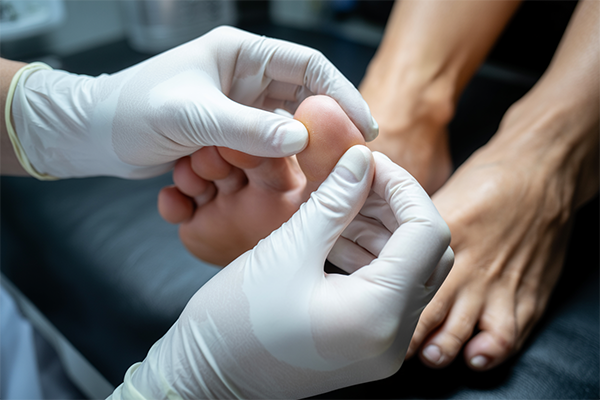
Sesamoid Pain or Something Else? What Ballincollig Locals Should Know
Understanding Sesamoid Pain in Ballincollig
Welcome to Achilles Podiatry Clinic in Ballincollig, Cork. If you've been experiencing pain beneath your big toe, particularly during activities such as running or walking, you might be suffering from sesamoid pain. This blog post aims to provide you with a comprehensive understanding of sesamoid pain, its causes, symptoms, treatment options, and when to seek professional help.
What Are Sesamoids?
The sesamoid bones are small, round bones embedded within the tendons of muscles. In the foot, there are two primary sesamoid bones located under the big toe joint (the first metatarsophalangeal joint). These bones play a crucial role in aiding the toe's movement and distributing weight during activities such as walking and standing.
What Causes Sesamoid Pain?
Sesamoid pain, also known as sesamoiditis, generally arises from several underlying factors:
- Repetitive Stress: Activities that involve repetitive pressure on the forefoot, such as ballet dancing, basketball, or running can lead to inflammation.
- Foot Structure: Certain foot shapes, like flat feet or high arches, can increase the likelihood of sesamoid pain.
- Trauma: A direct injury to the area, such as a fracture or severe bruising, can cause acute pain.
- Ill-fitting Footwear: High-heeled shoes or shoes that do not provide adequate support can exacerbate symptoms.
How to Identify Symptoms of Sesamoid Pain
Symptoms of sesamoiditis can vary in intensity but often include:
- Localized pain under the big toe, especially while walking, running, or pushing off.
- Swelling and tenderness near the joint.
- Difficulty bending the toe or performing activities involving the forefoot.
- Bruising in severe cases, indicating more significant injury.
How Can I Treat Sesamoid Pain?
Treatment for sesamoid pain typically includes conservative approaches, which may encompass:
- Rest: Reducing or modifying activities that exacerbate pain is often the first step.
- Ice Therapy: Applying ice to the area for 15-20 minutes can help reduce swelling and relieve pain.
- Footwear Modifications: Wearing cushioned shoes with a wide toe box can alleviate pressure on the sesamoids.
- Orthotics: Custom orthotic devices can provide additional arch support and redistribute pressure away from the sesamoids.
- Physical Therapy: Targeted exercises can strengthen the foot and improve mobility.
- Medications: Over-the-counter anti-inflammatory medications can help manage pain and swelling.
When Should You See a Podiatrist?
If sesamoid pain persists despite home treatment, is accompanied by significant swelling, bruising, or inability to bear weight, it's essential to consult a healthcare professional. The experienced team at Achilles Podiatry Clinic in Ballincollig can provide a thorough evaluation and may recommend imaging studies, such as X-rays or MRIs, to rule out fractures or other underlying conditions.
Can Sesamoid Pain Be Prevented?
While it may not always be possible to prevent sesamoid pain, several strategies can minimize the risk:
- Pacing yourself in high-impact activities to avoid overuse.
- Selecting appropriate footwear that offers adequate support and cushioning.
- Incorporating strength and balance exercises into your routine.
Frequently Asked Questions (FAQ)
1. What is the prognosis for sesamoid pain?
Most cases of sesamoiditis improve with conservative treatments within a few weeks to months. However, chronic cases may require further intervention.
2. Can sesamoid pain occur in both feet?
Yes, while it commonly affects one foot, it's possible to experience pain in both feet, especially if there's a predisposition to the condition.
3. Is surgery necessary for sesamoid pain?
Surgery is typically considered a last resort if conservative treatments fail. It may involve the removal of the sesamoid bone.
4. How do I know if I have a sesamoid fracture?
Symptoms of a fracture may include intense pain, swelling, and bruising at the site. A podiatrist can determine if further imaging is necessary.
5. What types of shoes are best for sesamoid pain?
Shoes with a cushioned sole, a wide toe box, and good arch support are recommended to help alleviate pressure on the sesamoids.
Conclusion
Understanding sesamoid pain can provide valuable insights into managing and alleviating discomfort. If you're a resident of Ballincollig and are experiencing symptoms, the team at Achilles Podiatry Clinic is here to help. We offer personalized assessments and tailored treatment plans to ensure you can get back on your feet. Book an appointment today, and take the first step toward relief from sesamoid pain.

Ask Lorcan And His Team
Fill in the form to request a Call From Our Team
Fill in the form to request a Call From Our Team
One of our team will call you for FREE and answer any questions or concerns you may have about Bunions.
One of our team will call you for FREE and answer any questions or concerns you may have about your uncomfortable Bunions.

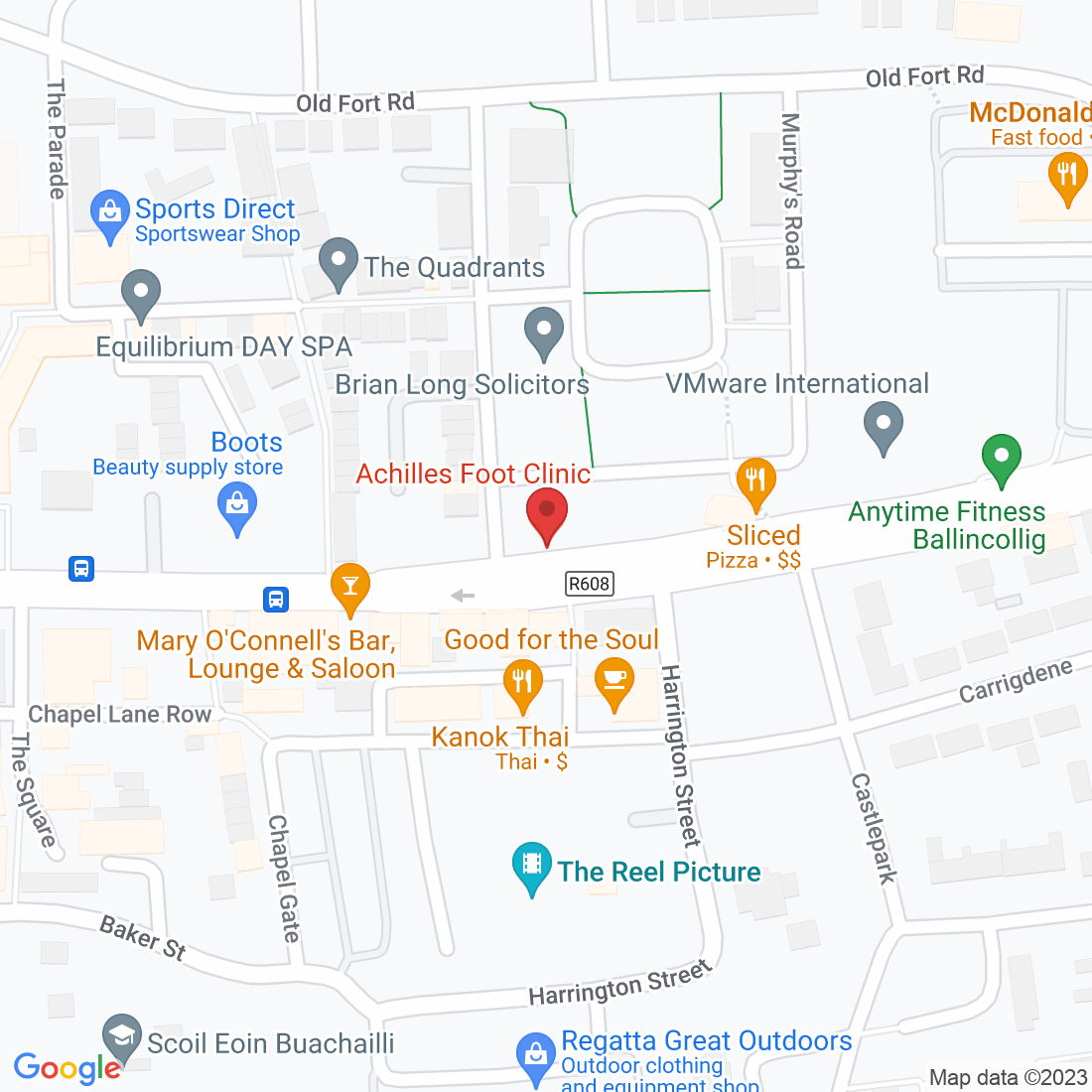
Where To Find Achilles Clinic
Ready to take the next step?
We are conveniently located in the western side of Cork City in Ballincollig.
Main Street, Ballincollig
Open 8am – 6pm (Mon-Fri)
Free Parking on our doorstep
We are on the 220 bus route



Legal
How to get in touch
© Copyright 2022. Achilles Foot Clinic. All rights reserved.