

We have all been there, neglected a niggle in our foot and told ourselves that it would probably go away. Weeks have passed, even months, and it’s only getting worse. Then finally, when we are hobbling around barely able to walk, we decide to seek help…
Well, at Achilles Foot Clinic, we are here to help you.
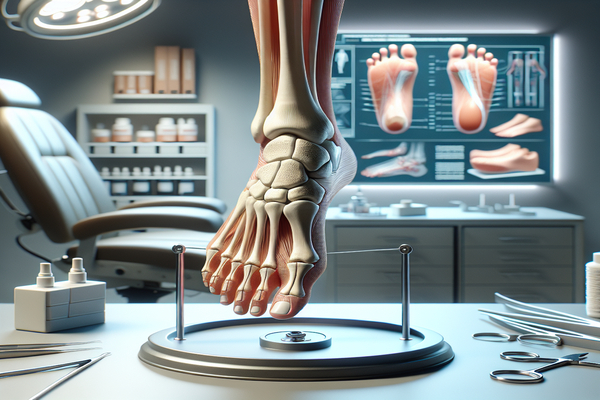
Sesamoiditis and Forefoot Pain: Why Ballincollig Patients Often Miss This Tiny Trouble Spot
Understanding Sesamoiditis and Forefoot Pain
If you’re a resident of Ballincollig, Cork, you may be experiencing an often-overlooked source of discomfort: sesamoiditis. At Achilles Podiatry Clinic, we aim to shed light on this condition and its relation to forefoot pain.
What is Sesamoiditis?
Sesamoiditis is an inflammatory condition affecting the sesamoid bones, which are small, pea-shaped bones located beneath the big toe. These bones play a critical role in weight-bearing and help in the mechanics of the first metatarsophalangeal joint. When subjected to excessive stress or injury, the surrounding tissues can become inflamed, leading to pain and discomfort.
What Causes Sesamoiditis?
Several factors can contribute to the development of sesamoiditis:
- Overuse: Repetitive activities such as running, dancing, or jumping can strain the sesamoid bones.
- Footwear: Poorly fitting shoes or those lacking sufficient cushioning can increase pressure on the forefoot.
- Foot Structure: High arches or flat feet can alter the distribution of forces on the sesamoids, leading to strain.
- Trauma: A direct impact or sudden twist of the toe can cause injury to the sesamoid bones.
How Do I Know If I Have Sesamoiditis?
Common symptoms of sesamoiditis include:
- Localized pain beneath the big toe, especially during movement or weight-bearing activities.
- Swelling around the first metatarsophalangeal joint.
- Increased sensitivity when touched or when wearing tight footwear.
- Stiffness and difficulty moving the big toe normally.
If you are noticing these symptoms, it is important to seek an evaluation from a qualified podiatrist at Achilles Podiatry Clinic.
How Can I Treat Sesamoiditis?
Effective treatment for sesamoiditis typically involves a combination of strategies:
- Rest: Reduce activities that exacerbate pain, allowing inflammation to decrease.
- Ice Therapy: Apply ice packs to the affected area for 15-20 minutes a few times daily to help reduce swelling.
- Footwear Modification: Choose shoes with a wider toe box and proper cushioning. Avoid high heels or shoes that put excessive pressure on the forefoot.
- Orthotics: Custom orthotic devices can redistribute pressure away from the sesamoids and provide additional support.
- Physical Therapy: Engaging in physical therapy can strengthen surrounding muscles and improve flexibility.
In more persistent cases, your podiatrist may recommend anti-inflammatory medications or, in rare cases, surgical intervention to alleviate pain.
Prevention Tips for Sesamoiditis
Preventing sesamoiditis is possible with some proactive measures:
- Invest in well-fitted, supportive footwear appropriate for your activities.
- Gradually increase intensity in physical activities to prevent overuse injuries.
- Incorporate stretching and strengthening exercises into your routine to improve foot and ankle mechanics.
- Monitor your body weight to reduce stress on your feet.
Frequently Asked Questions (FAQ)
1. Can sesamoiditis become chronic?
Yes, if untreated, sesamoiditis can become chronic, leading to ongoing discomfort and issues with mobility.
2. Is sesamoiditis only common in athletes?
While athletes are more prone to sesamoiditis due to the nature of their activities, anyone can develop this condition, especially if they wear improper footwear.
3. How long does it take to recover from sesamoiditis?
Recovery duration varies depending on the severity of the condition and adherence to treatment, but it typically ranges from a few weeks to several months.
4. Should I see a doctor for sesamoiditis?
Yes, it’s vital to consult a podiatrist for an accurate diagnosis and effective treatment plan tailored to your needs.
5. Are there any home remedies for sesamoiditis?
Home remedies such as rest, ice application, and gentle stretching can provide relief; however, a professional assessment is always recommended.
Conclusion
Awareness of sesamoiditis is crucial for residents of Ballincollig, Cork, as it can significantly impact your daily life. At Achilles Podiatry Clinic, we are committed to helping you manage and overcome foot pain with tailored treatments that address your unique needs. Don’t let forefoot pain hinder your activities—book an appointment today!

Ask Lorcan And His Team
Fill in the form to request a Call From Our Team
Fill in the form to request a Call From Our Team
One of our team will call you for FREE and answer any questions or concerns you may have about Bunions.
One of our team will call you for FREE and answer any questions or concerns you may have about your uncomfortable Bunions.

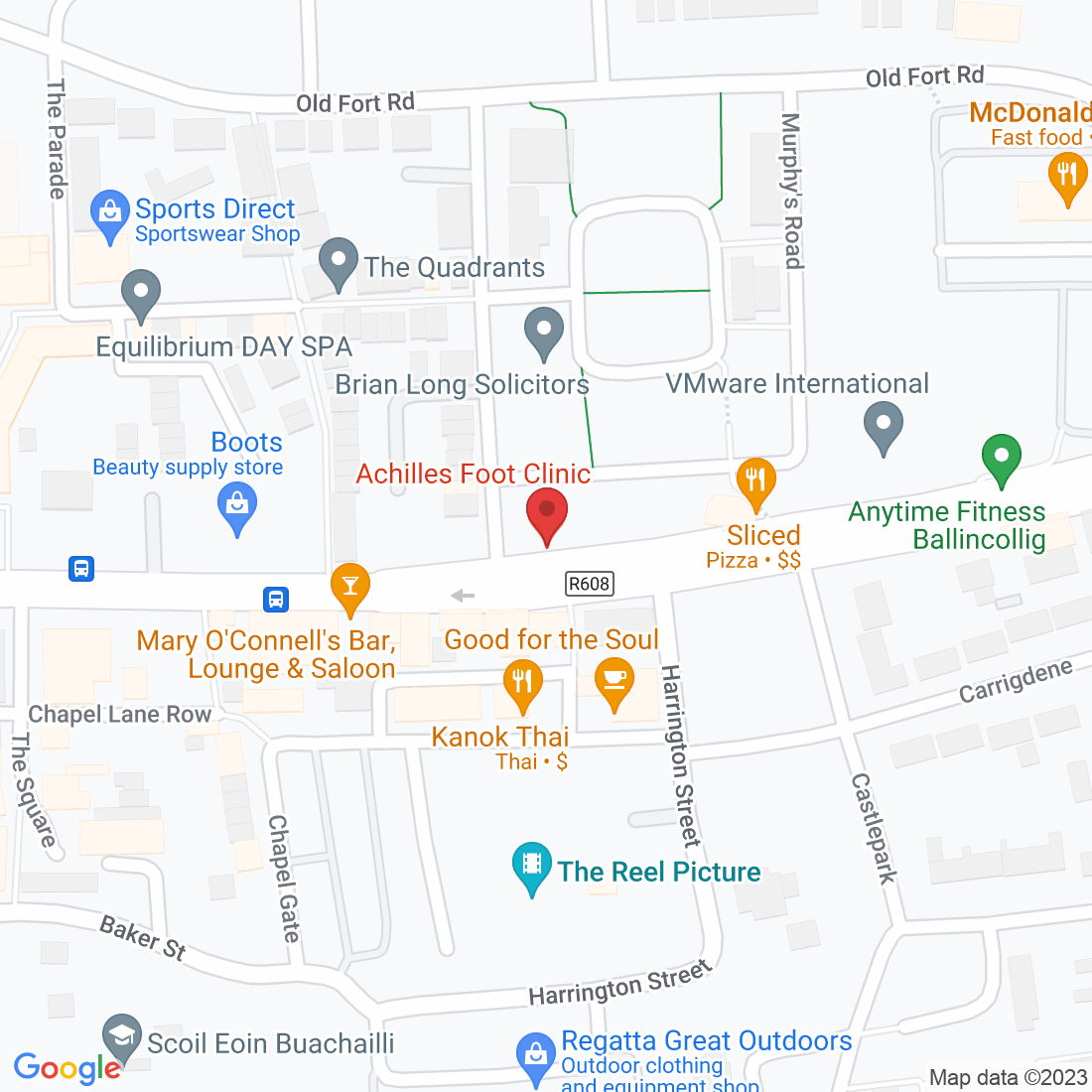
Where To Find Achilles Clinic
Ready to take the next step?
We are conveniently located in the western side of Cork City in Ballincollig.
Main Street, Ballincollig
Open 8am – 6pm (Mon-Fri)
Free Parking on our doorstep
We are on the 220 bus route



Legal
How to get in touch
© Copyright 2022. Achilles Foot Clinic. All rights reserved.