

We have all been there, neglected a niggle in our foot and told ourselves that it would probably go away. Weeks have passed, even months, and it’s only getting worse. Then finally, when we are hobbling around barely able to walk, we decide to seek help…
Well, at Achilles Foot Clinic, we are here to help you.
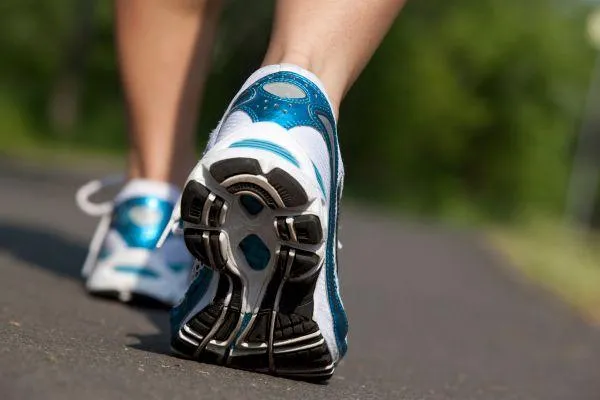
The Impact of Cavus Foot on Your Gait: How High Arches Affect Your Walk
Cavus foot, also known as high arches, is a condition that can significantly impact the way you walk. The high, rigid arch of the foot changes the way pressure is distributed across your feet, which can lead to a range of issues throughout your body, including pain and discomfort in the knees, hips, and lower back. Understanding how cavus foot alters your gait is the first step in preventing further complications and finding the right treatment to restore your mobility and comfort.
What Is Cavus Foot and How Does It Affect Gait?
Cavus foot is characterised by an abnormally high arch in the foot. Unlike a normal foot, which has a slight arch that allows for shock absorption during walking and running, the high arch in cavus foot is rigid and doesn’t provide the same flexibility. This lack of flexibility means the foot struggles to absorb shock effectively, leading to increased pressure on specific areas such as the toes, balls of the feet, and heels.
As a result, when a person with cavus foot walks, their gait is altered. The foot is more rigid, making it harder to properly push off the ground, which can lead to compensatory changes in how the rest of the body moves. In turn, this can affect your stride length, walking efficiency, and cause discomfort in areas beyond the feet.
How Cavus Foot Alters Your Gait
Reduced Shock Absorption:
Normally, your feet absorb the impact of each step as your foot strikes the ground. In cavus foot, however, the high arch doesn’t allow for adequate shock absorption. As a result, the force of walking or running is transferred to the joints and tissues, which can lead to discomfort and strain.Increased Pressure on the Toes and Heels:
People with high arches tend to place more pressure on the forefoot and heel. This can cause pain in areas like the balls of the feet, heels, and toes, which are not designed to bear such pressure. Over time, this increased stress can lead to conditions like metatarsalgia (pain in the ball of the foot) and plantar fasciitis (heel pain).Altered Stride and Walking Mechanics:
With cavus foot, your stride may become less fluid. The inability of the foot to bend and absorb shock properly means you may unconsciously alter your walking mechanics to reduce pain. This compensation often results in a short or uneven stride, and can even cause the knees to rotate inward or outward to maintain balance.Instability and Risk of Falling:
The rigidity of the foot and uneven weight distribution can make the foot less stable, increasing the risk of falls, particularly when walking on uneven surfaces. The body may overcompensate by using other muscles to keep you balanced, leading to further instability in the long run.
How Cavus Foot Can Lead to Other Musculoskeletal Problems
As cavus foot alters the way you walk, it can have a domino effect on other parts of your body, particularly the knees, hips, and lower back. Here’s how:
Knee Pain:
As the foot rolls outward to compensate for the high arch, the alignment of the knee joint is altered. This misalignment can cause strain on the knee, leading to pain in the patella (knee cap) or increased stress on the ligaments and tendons. Over time, this misalignment can contribute to conditions like patellofemoral pain syndrome or IT band syndrome.Hip Pain:
An abnormal gait can affect how your hips move during walking. When the foot compensates for the arch, it can throw off the alignment of the pelvis and cause strain on the hip joint. This can result in hip pain, discomfort, and even contribute to conditions like trochanteric bursitis (inflammation of the hip bursa).Lower Back Pain:
The misalignment caused by cavus foot can also affect the spine. Since the pelvis is tilted or unbalanced due to the foot's rigid arch, this can lead to increased pressure on the lower back. Over time, this strain can cause chronic lower back pain, stiffness, and discomfort.Other Joint Problems:
The compensatory changes in walking mechanics also put additional stress on the ankle and foot joints, leading to conditions like Achilles tendonitis, metatarsalgia, and even osteoarthritis in some cases.
Managing the Impact of Cavus Foot on Your Gait
Thankfully, there are several ways to manage the impact of cavus foot on your gait and prevent long-term musculoskeletal problems:
Custom Orthotics:
Custom orthotics are designed to support the foot’s arch and redistribute pressure more evenly. By improving alignment, orthotics help reduce strain on the toes, heels, and other joints, improving overall gait and reducing pain.Footwear Modifications:
Shoes that provide adequate arch support and cushioning are essential. Avoid high heels and shoes that don’t offer enough support for high arches. Look for footwear that has good shock absorption, stability, and a wide toe box to avoid additional pressure on the foot.Physical Therapy:
A physical therapist can help with strengthening exercises for the foot and leg muscles, as well as stretching exercises for the Achilles tendon and calf muscles. These exercises can help improve foot function, promote proper alignment, and reduce compensatory movements that affect your gait.Gait Training:
If your gait is significantly altered due to cavus foot, working with a podiatrist or physical therapist to improve your walking mechanics is crucial. Gait training can help reestablish a more natural stride and alleviate pain caused by improper alignment.Pain Management:
Non-steroidal anti-inflammatory drugs (NSAIDs), ice therapy, and even corticosteroid injections can help reduce pain and inflammation in the affected areas, providing relief while undergoing other treatments.Surgical Options (if necessary):
In rare cases, surgery may be necessary to realign the bones, tendons, or joints affected by cavus foot. This is typically considered when conservative treatments do not provide relief.
Conclusion
Cavus foot can significantly affect your gait, leading to pain and discomfort in your feet, knees, hips, and lower back. By understanding how this condition alters your walking mechanics, you can take proactive steps to manage pain, restore function, and prevent further complications.
At Achilles Foot Clinic, we offer comprehensive treatments for cavus foot, including custom orthotics, physical therapy, and gait training, to help you regain mobility and reduce pain. If you’re experiencing symptoms of cavus foot, don’t hesitate to reach out for personalised care and solutions.
Contact us today to schedule a consultation and start improving your foot health!
Ask Lorcan And His Team
Fill in the form to request a Call From Our Team
Fill in the form to request a Call From Our Team
One of our team will call you for FREE and answer any questions or concerns you may have about Bunions.
One of our team will call you for FREE and answer any questions or concerns you may have about your uncomfortable Bunions.

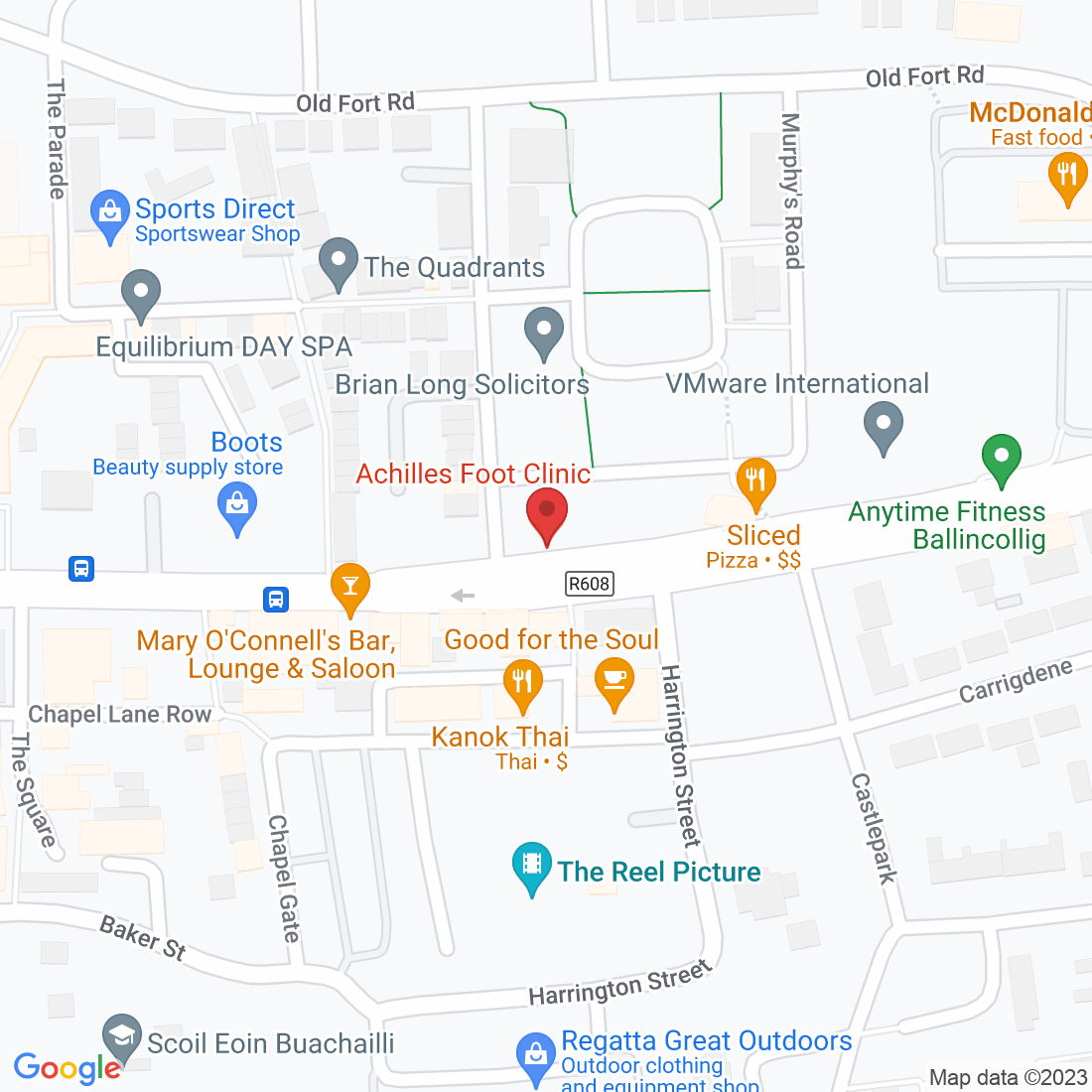
Where To Find Achilles Clinic
Ready to take the next step?
We are conveniently located in the western side of Cork City in Ballincollig.
Main Street, Ballincollig
Open 8am – 6pm (Mon-Fri)
Free Parking on our doorstep
We are on the 220 bus route



Legal
How to get in touch
© Copyright 2022. Achilles Foot Clinic. All rights reserved.