

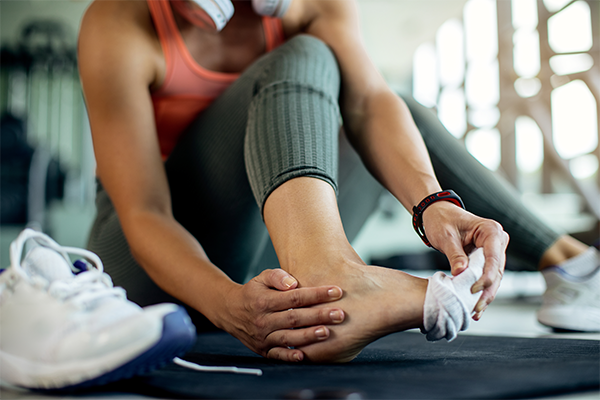
We have all been there, neglected a niggle in our foot and told ourselves that it would probably go away. Weeks have passed, even months, and it’s only getting worse. Then finally, when we are hobbling around barely able to walk, we decide to seek help…
Well, at Achilles Foot Clinic, we are here to help you.
Why Your Work Shoes Might Be the Problem in Ballincollig, Cork
Introduction
If you’re experiencing foot pain or discomfort in Ballincollig, Cork, it might be time to reevaluate your work shoes. At Achilles Podiatry Clinic, we understand that your footwear plays a significant role in your foot health. In this article, we will explore the potential issues with work shoes, the impact they can have on common foot conditions, and how you can make more informed choices for your foot support.
What Causes Foot Pain in the Workplace?
Foot pain in the workplace is often linked to improper footwear that does not provide adequate support. A variety of factors can contribute to discomfort, including:
- Improper Fit: Shoes that are too tight or too loose can lead to blisters, calluses, and conditions like bunions.
- Lack of Arch Support: Insufficient arch support can exacerbate issues such as plantar fasciitis, leading to heel pain.
- Poor Cushioning: Shoes that lack proper cushioning can impact your joints and overall posture, leading to pain in your feet, knees, and hips.
- Inflexible Materials: Rigid shoes can restrict natural foot movement, increasing the risk of injuries.
How Do Work Shoes Affect Common Foot Conditions?
Several common foot conditions can be aggravated by inappropriate work shoes:
- Plantar Fasciitis: This painful condition occurs when the plantar fascia, a thick band of tissue that runs across the bottom of the foot, becomes inflamed. Poorly designed shoes lack support and cushioning, which can worsen symptoms.
- Achilles Tendinitis: Inadequate heel support can strain the Achilles tendon, resulting in painful inflammation.
- Bunions: Tight, narrow shoes can lead to the formation of bunions, causing significant pain and discomfort.
- Neuromas: Ill-fitting shoes can compress the nerves between the toes, leading to conditions like Morton's neuroma, which can cause sharp, shooting pain in the foot.
How Can You Choose Better Work Shoes?
Choosing the right work shoes is crucial for maintaining healthy feet. Here are some tips to guide you:
- Assess Your Foot Type: Knowing whether you have flat feet, high arches, or neutral arches can help you choose the appropriate shoe style.
- Prioritize Comfort: Ensure that shoes provide ample cushioning and support. Brands that offer orthotic-friendly designs may be beneficial.
- Look for Proper Fit: Shoes should not be excessively tight or loose; there should be enough room to wiggle your toes comfortably.
- Seek Specialized Footwear: If you have specific foot conditions, consider footwear designed to address those issues, such as diabetic-friendly shoes or those with built-in arch support.
How Can I Treat Existing Foot Problems?
If you are already experiencing foot pain, treating the condition promptly is essential. Consider the following options:
- Foot Exercises: Strengthening and stretching exercises can alleviate discomfort by enhancing foot stability.
- Ice Therapy: Applying ice can reduce inflammation and provide temporary relief from pain.
- Over-the-Counter Pain Relief: Non-steroidal anti-inflammatory drugs (NSAIDs) can help manage pain and swelling.
- Consult a Podiatrist: For persistent issues, visit Achilles Podiatry Clinic for a thorough evaluation and tailored treatment plan.
Frequently Asked Questions (FAQ)
1. What should I look for in work shoes?
Look for shoes with good arch support, cushioning, a proper fit, and materials that allow for natural foot movement.
2. Can wearing high heels at work lead to foot problems?
Yes, high heels can contribute to various foot conditions, including plantar fasciitis, bunions, and metatarsalgia. It’s best to limit their use during work hours.
3. How often should I replace my work shoes?
Generally, work shoes should be replaced every 6-12 months, depending on wear and tear. Signs of excessive wear include uneven soles and diminished cushioning.
4. What are the signs that my shoes are causing foot problems?
Signs include persistent foot pain, swelling, blisters, and changes in your foot shape or posture.
5. Should I consider orthotics for my work shoes?
Yes, custom orthotics can provide additional support and comfort for individuals with specific foot conditions or those who spend long hours on their feet.
Conclusion
Your choice of work shoes is crucial in maintaining foot health and preventing pain. At Achilles Podiatry Clinic in Ballincollig, Cork, we are committed to helping you find the right solutions for your foot concerns. Remember that proper footwear, combined with appropriate treatment, can significantly enhance your quality of life. Don't let foot pain hold you back — book an appointment today to take the first step towards healthier feet!

Ask Lorcan And His Team
Fill in the form to request a Call From Our Team
Fill in the form to request a Call From Our Team
One of our team will call you for FREE and answer any questions or concerns you may have about Bunions.
One of our team will call you for FREE and answer any questions or concerns you may have about your uncomfortable Bunions.

Where To Find Achilles Clinic
Ready to take the next step?
We are conveniently located in the western side of Cork City in Ballincollig.
Main Street, Ballincollig
Open 8am – 6pm (Mon-Fri)
Free Parking on our doorstep
We are on the 220 bus route




Legal
How to get in touch
© Copyright 2022. Achilles Foot Clinic. All rights reserved.