

We have all been there, neglected a niggle in our foot and told ourselves that it would probably go away. Weeks have passed, even months, and it’s only getting worse. Then finally, when we are hobbling around barely able to walk, we decide to seek help…
Well, at Achilles Foot Clinic, we are here to help you.
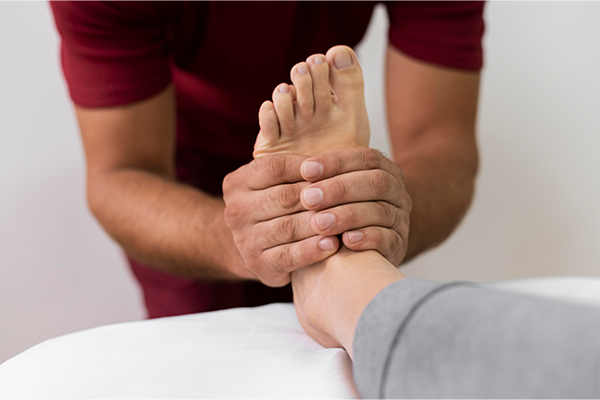
Why Ignoring Small Issues Can Backfire in Ballincollig, Cork
Introduction
In the vibrant town of Ballincollig, Cork, Achilles Podiatry Clinic is dedicated to ensuring the foot health of our community. Many individuals underestimate the importance of addressing small foot issues promptly. Ignoring these seemingly minor problems can lead to significant complications. This article explores why small foot issues should never be dismissed and how they can affect your overall health.
What are Common Small Foot Issues?
Small foot issues can encompass a variety of conditions, including:
- Ingrown Toenails: This occurs when the edge of a toenail grows into the surrounding skin, leading to pain, swelling, and infection.
- Corns and Calluses: These are thickened areas of skin that develop due to friction and pressure, often appearing on the soles of the feet or the tops of the toes.
- Minor Sprains and Strains: Everyday activities can lead to sprains or strains in the ligaments or muscles of the foot.
- Fungal Infections: Conditions such as athlete’s foot can start small but may spread if not treated.
- Plantar Warts: Caused by the human papillomavirus (HPV), these benign growths can lead to discomfort and can become more serious if neglected.
Why Should You Not Ignore Small Foot Issues?
Ignoring minor foot problems can lead to a cascade of more severe health concerns:
- Increased Pain: What starts as a slight discomfort can escalate into chronic pain that affects your mobility.
- Infection: Small issues like ingrown toenails can lead to debilitating infections if left untreated, requiring more extensive treatment.
- Altered Gait: Conditions such as bunions or heel pain can lead to compensatory changes in how you walk, potentially resulting in knee, hip, or back problems.
- Limitations in Activity: Chronic foot problems can greatly affect your ability to participate in physical activities, affecting your overall health and well-being.
- Complications in Existing Health Conditions: Diabetes and other systemic conditions can exacerbate foot issues, making early intervention crucial.
What Causes These Small Foot Issues?
Various factors contribute to small foot problems, including:
- Improper Footwear: Shoes that do not fit well can create pressure points, leading to corns, calluses, and bunions.
- Hygiene: Poor foot hygiene can result in infections and fungal growth.
- Underlying Health Conditions: Conditions such as diabetes and arthritis can predispose individuals to foot issues.
- Aging: As we age, our skin and tissue can become less resilient, increasing the likelihood of foot problems.
How Can I Treat Small Foot Issues?
Treatment options for foot problems vary depending on the condition:
- For Ingrown Toenails: Regular trimming and proper footwear can help. In severe cases, a podiatric procedure may be necessary.
- For Corns and Calluses: Regular exfoliation, appropriate footwear, and protective pads can alleviate discomfort. Persistent cases may require professional removal.
- For Sprains and Strains: R.I.C.E. (Rest, Ice, Compression, Elevation) is a common approach, alongside professional assessment.
- For Fungal Infections: Antifungal medications and proper foot hygiene are effective in managing these conditions.
- For Plantar Warts: Cryotherapy, topical treatments, or laser therapy may be recommended by a podiatrist.
Preventive Measures to Maintain Foot Health
Prevention is better than treatment. Here are some comprehensive strategies to keep your feet healthy:
- Choose the Right Footwear: Ensure shoes fit well and provide adequate support.
- Maintain Foot Hygiene: Keep your feet clean and dry, and consider using antifungal powder.
- Regular Checkups: Schedule periodic foot assessments at Achilles Podiatry Clinic to catch potential issues early.
- Stay Active: Regular physical activity promotes foot health and overall wellness.
- Manage Underlying Health Issues: Regularly monitor blood sugar levels if diabetic and follow up to prevent complications.
FAQ
1. How often should I visit a podiatrist?
It is recommended to visit a podiatrist annually, or more frequently if you have specific concerns or underlying health conditions that affect your feet.
2. What are the signs that I need to see a podiatrist?
Seek medical advice if you experience persistent foot pain, swelling, changes in skin color, or any injuries that do not heal properly.
3. Can I treat foot issues on my own?
Some minor issues can be managed at home, but it is best to consult a podiatrist for a proper diagnosis and treatment plan.
4. Are foot issues more common in certain age groups?
Yes, older adults are more susceptible to foot problems due to natural changes in foot structure and strength over time.
5. How can nutrition affect foot health?
Proper nutrition supports overall health, including foot health. Nutrients such as calcium and vitamin D are vital for bone health, while hydration aids in circulation.
Conclusion
Ignoring small issues can lead to significant complications that affect your quality of life. At Achilles Podiatry Clinic in Ballincollig, Cork, we emphasize the importance of early intervention and ongoing foot care. If you are experiencing any foot problems, don't wait—book an appointment today and let us help you maintain healthy, pain-free feet.

Ask Lorcan And His Team
Fill in the form to request a Call From Our Team
Fill in the form to request a Call From Our Team
One of our team will call you for FREE and answer any questions or concerns you may have about Bunions.
One of our team will call you for FREE and answer any questions or concerns you may have about your uncomfortable Bunions.

Where To Find Achilles Clinic
Ready to take the next step?
We are conveniently located in the western side of Cork City in Ballincollig.
Main Street, Ballincollig
Open 8am – 6pm (Mon-Fri)
Free Parking on our doorstep
We are on the 220 bus route




Legal
How to get in touch
© Copyright 2022. Achilles Foot Clinic. All rights reserved.