

We have all been there, neglected a niggle in our foot and told ourselves that it would probably go away. Weeks have passed, even months, and it’s only getting worse. Then finally, when we are hobbling around barely able to walk, we decide to seek help…
Well, at Achilles Foot Clinic, we are here to help you.
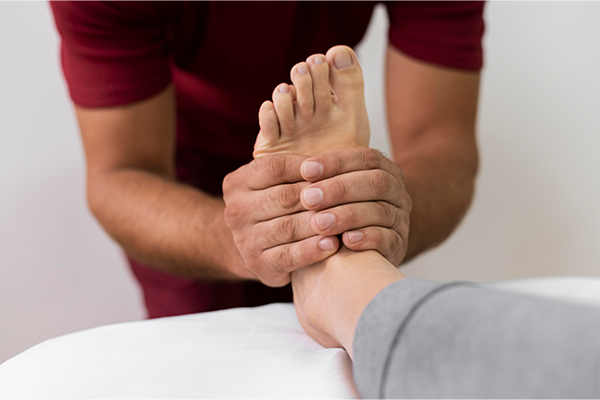
Cork Office Workers and Plantar Fasciitis: What the Desk Job Is Doing to Your Feet
Cork Office Workers and Plantar Fasciitis: What the Desk Job Is Doing to Your Feet
In today's rapidly evolving work environment, many residents of Ballincollig, Cork, find themselves spending long hours at a desk. While this shift towards a sedentary lifestyle enhances productivity, it also poses significant risks to foot health. One of the most common conditions linked to prolonged sitting is plantar fasciitis. At Achilles Podiatry Clinic, we understand the implications of desk jobs on your feet and provide valuable insights on prevention and treatment.
What is Plantar Fasciitis?
Plantar fasciitis is a common foot condition characterized by inflammation of the plantar fascia, a thick band of tissue that runs across the bottom of your foot, connecting your heel bone to your toes. This inflammation often leads to severe heel pain, particularly noticeable with the first steps taken in the morning or after prolonged periods of rest. For office workers in Cork, the repetitive strain combined with improper footwear can worsen this condition.
What Causes Plantar Fasciitis in Desk Workers?
- Prolonged Sitting: The nature of desk jobs limits movement throughout the day, leading to stiffness in the foot and ankle.
- Inappropriate Footwear: Many office workers opt for fashionable but unsupportive shoes, increasing the load on the plantar fascia.
- Weight Gain: Sedentary lifestyles can contribute to weight gain, adding excess pressure to the feet.
- Lack of Foot Exercises: Insufficient stretching and strengthening exercises for the feet and calves can lead to muscle imbalances.
- Age and Activity Level: Older individuals are at higher risk, especially if they engage in regular physical activities outside of work that may strain the foot.
How Can I Prevent Plantar Fasciitis?
Preventing plantar fasciitis is crucial for maintaining foot health, especially for those working lengthy hours at a desk. Here are some effective strategies:
- Choose Supportive Shoes: Opt for footwear that offers arch support and cushioning. Avoid high heels and flat shoes that provide little support.
- Take Frequent Breaks: Get up and walk around every 30-60 minutes to promote circulation and relieve foot strain.
- Practice Stretching: Incorporate simple stretching exercises for your calves and plantar fascia into your daily routine.
- Maintain a Healthy Weight: Engaging in a balanced diet and regular exercise can help reduce stress on the feet.
- Use Orthotic Inserts: Consider using custom orthotics to provide additional support and cushioning.
How Can I Treat Plantar Fasciitis?
If you are already experiencing symptoms of plantar fasciitis, don't despair; several effective treatment options are available:
- Physical Therapy: A podiatrist may recommend specific exercises to stretch and strengthen the plantar fascia and calf muscles.
- Orthotic Devices: Custom or over-the-counter orthotics can help distribute pressure across the feet more evenly.
- Cold Compresses: Applying ice to the affected area can reduce inflammation and alleviate pain.
- Non-Steroidal Anti-Inflammatory Drugs (NSAIDs): Over-the-counter medications like ibuprofen can help reduce pain and inflammation.
- Injections: In some severe cases, corticosteroid injections may be recommended to reduce inflammation.
When Should I See a Podiatrist?
If self-care measures do not relieve your symptoms, it is essential to consult a podiatrist. Signs that you should seek professional help include:
- Persistent heel pain that doesn't improve with rest.
- Swelling around the foot or heel.
- Difficulty walking or standing.
- New or worsening symptoms after trying conservative treatments.
Frequently Asked Questions (FAQ)
- Q: Can plantar fasciitis go away on its own?
A: Yes, in some cases, plantar fasciitis can resolve with self-care measures. However, persistent cases benefit from professional treatment. - Q: Are there exercises specifically for plantar fasciitis?
A: Yes, exercises that focus on calf stretching and plantar fascia stretching are particularly beneficial. - Q: How long does plantar fasciitis take to heal?
A: Healing can vary from weeks to several months, depending on the severity of the condition and treatment effectiveness. - Q: Can I continue exercising if I have plantar fasciitis?
A: It depends on the activity; low-impact exercises like swimming or cycling may be suitable, but high-impact activities should be avoided until healed. - Q: Does plantar fasciitis occur more frequently in certain populations?
A: Yes, individuals who are overweight, have flat feet or high arches, or engage in high-impact sports are more susceptible.
Conclusion
For office workers in Cork, understanding the link between desk jobs and foot health is vital, particularly regarding conditions like plantar fasciitis. At Achilles Podiatry Clinic in Ballincollig, we are dedicated to providing comprehensive foot care and advice tailored to your needs. If you are experiencing any symptoms related to plantar fasciitis or want to learn more about preventative measures, please do not hesitate to contact us. Book your appointment today!

Ask Lorcan And His Team
Fill in the form to request a Call From Our Team
Fill in the form to request a Call From Our Team
One of our team will call you for FREE and answer any questions or concerns you may have about Bunions.
One of our team will call you for FREE and answer any questions or concerns you may have about your uncomfortable Bunions.

Where To Find Achilles Clinic
Ready to take the next step?
We are conveniently located in the western side of Cork City in Ballincollig.
Main Street, Ballincollig
Open 8am – 6pm (Mon-Fri)
Free Parking on our doorstep
We are on the 220 bus route




Legal
How to get in touch
© Copyright 2022. Achilles Foot Clinic. All rights reserved.