

We have all been there, neglected a niggle in our foot and told ourselves that it would probably go away. Weeks have passed, even months, and it’s only getting worse. Then finally, when we are hobbling around barely able to walk, we decide to seek help…
Well, at Achilles Foot Clinic, we are here to help you.
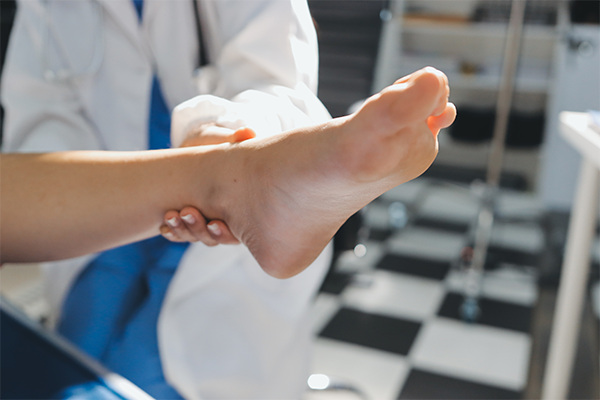
Ballincollig’s Guide to Hard Skin: When to See a Chiropodist
Understanding Hard Skin: An Overview
At Achilles Podiatry Clinic in Ballincollig, Cork, we strive to provide our patients with the best information regarding foot health. One common concern that brings individuals to our clinic is hard skin, also known as hyperkeratosis. This condition may seem merely cosmetic at first, but it can lead to discomfort and signify underlying foot issues.
What Causes Hard Skin on Your Feet?
Hard skin develops when the skin thickens in response to pressure or friction. Several factors contribute to the formation of hard skin:
- Ill-fitting Shoes: High heels or shoes that don’t offer adequate support can increase pressure on certain areas of your feet.
- Foot Deformities: Conditions like bunions, hammertoes, and flat feet can cause uneven weight distribution, leading to hard skin.
- Excessive Walking or Standing: Occupations or activities that involve prolonged standing can also promote hard skin development.
- Dry Skin: Environmental factors or skin conditions like eczema can cause your skin to lose moisture and thicken.
How Can I Treat Hard Skin?
While hard skin may not always cause pain, it is important to address it, especially if it leads to discomfort. Here are several treatment options:
- Regular Exfoliation: Use a pumice stone or foot file to gently remove the thickened skin during baths or showers, being careful not to cause injury.
- Moisturizing: Applying a good foot cream regularly can help keep your skin hydrated and prevent further buildup.
- Corrective Footwear: Ensure your shoes fit well and offer appropriate support to minimize friction.
- Over-the-Counter Treatments: Products containing salicylic acid can help to reduce thickened areas, but should be used cautiously.
When Should You See a Chiropodist?
If you are struggling with hard skin, it might be time to consult a chiropodist. Here are signs that warrant a visit:
- Pain or Discomfort: If the hard skin is causing pain or hindering mobility, professional assessment is necessary.
- Signs of Infection: Redness, swelling, or drainage may indicate an infection and should be evaluated by a professional.
- Persistent Thickening: If hard skin continues to grow or returns quickly after treatment, a chiropodist can help determine the underlying cause.
- Underlying Health Issues: Conditions like diabetes may increase your risk of foot complications, making it crucial to seek regular check-ups.
How Can a Chiropodist Help?
Chiropodists, or podiatrists, are trained professionals who specialize in foot care. At Achilles Podiatry Clinic, our team offers comprehensive assessments and treatments tailored to each patient's needs. Treatments may include:
- Debridement: Professional removal of hard skin and corns.
- Custom Orthotics: Shoe inserts designed to correct foot mechanics and alleviate pressure points.
- Education and Advice: Tailored advice on footwear and foot care to help prevent recurrence.
What Are the Long-Term Implications of Untreated Hard Skin?
Ignoring hard skin can lead to various issues, including:
- Chronic Pain: Ongoing pressure can lead to pain and disability.
- Skin Cracking and Infections: Thickened, dry skin may crack, leading to potential infections.
- Mobility Issues: Reduced comfort can affect your ability to engage in daily activities.
FAQs About Hard Skin and Podiatry Care
- What is the difference between corns and calluses?
Cores are small, painful, and often have a central hard core, while calluses are larger areas of thickened skin that are generally not painful. - Can I treat hard skin at home?
Yes, by using pumice stones, moisturizers, and appropriate footwear, but consider professional help if symptoms persist. - Is hard skin a sign of a more serious condition?
It can be, especially if associated with other symptoms. It is advisable to consult a chiropodist for a thorough evaluation. - How often should I see a chiropodist?
It depends on individual needs; however, regular check-ups are recommended for those with diabetes or foot deformities. - Are there preventative measures for hard skin?
Yes, maintaining proper foot hygiene, using well-fitted shoes, and moisturizing can help prevent hard skin from developing.
Conclusion
Hard skin on your feet can be a benign issue, but it’s essential to recognize when to seek professional help. At Achilles Podiatry Clinic in Ballincollig, Cork, our experienced team is dedicated to guiding you through your foot health journey. If you're experiencing discomfort or have concerns about hard skin, we encourage you to book an appointment today. Your feet deserve the best care!

Ask Lorcan And His Team
Fill in the form to request a Call From Our Team
Fill in the form to request a Call From Our Team
One of our team will call you for FREE and answer any questions or concerns you may have about Bunions.
One of our team will call you for FREE and answer any questions or concerns you may have about your uncomfortable Bunions.

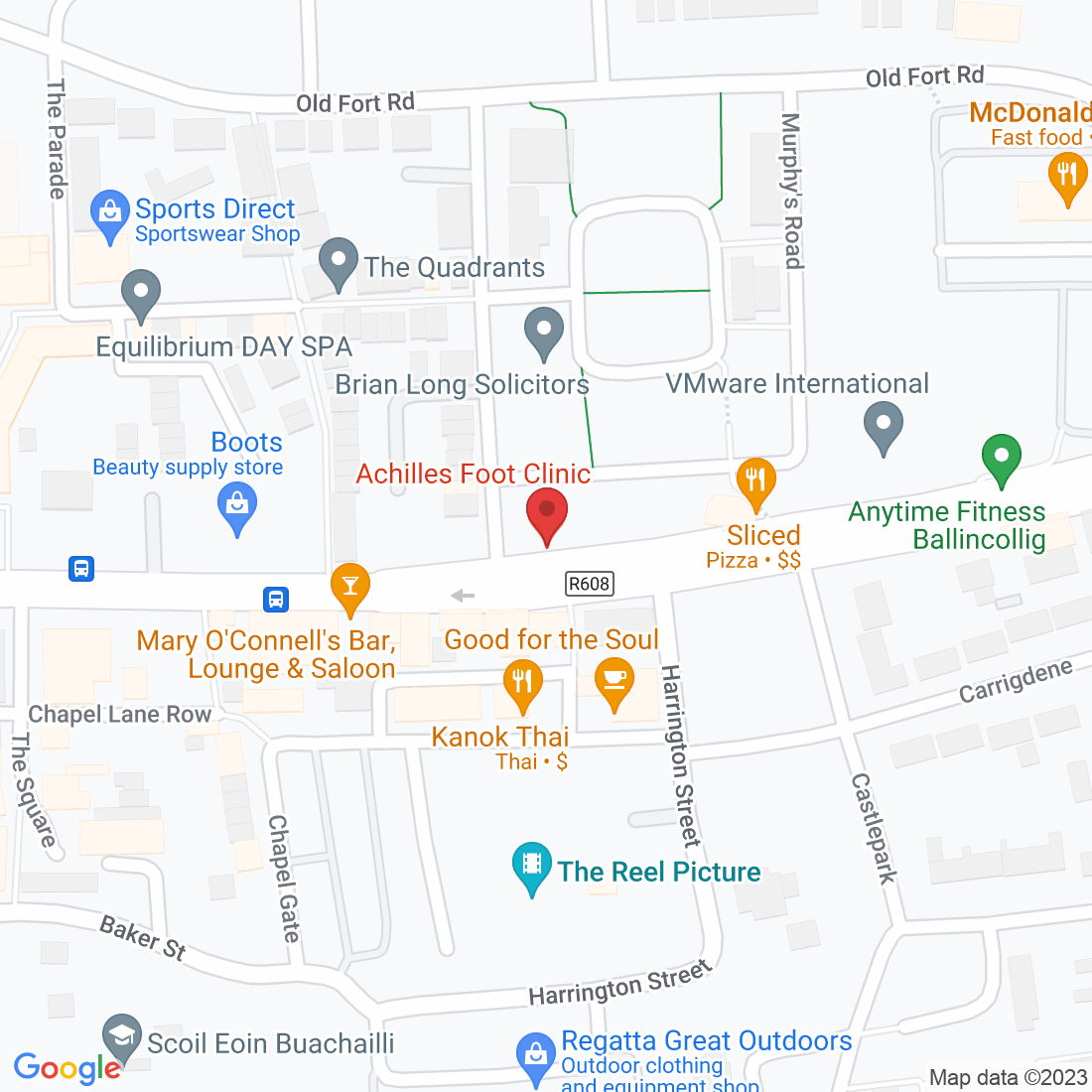
Where To Find Achilles Clinic
Ready to take the next step?
We are conveniently located in the western side of Cork City in Ballincollig.
Main Street, Ballincollig
Open 8am – 6pm (Mon-Fri)
Free Parking on our doorstep
We are on the 220 bus route



Legal
How to get in touch
© Copyright 2022. Achilles Foot Clinic. All rights reserved.