

We have all been there, neglected a niggle in our foot and told ourselves that it would probably go away. Weeks have passed, even months, and it’s only getting worse. Then finally, when we are hobbling around barely able to walk, we decide to seek help…
Well, at Achilles Foot Clinic, we are here to help you.
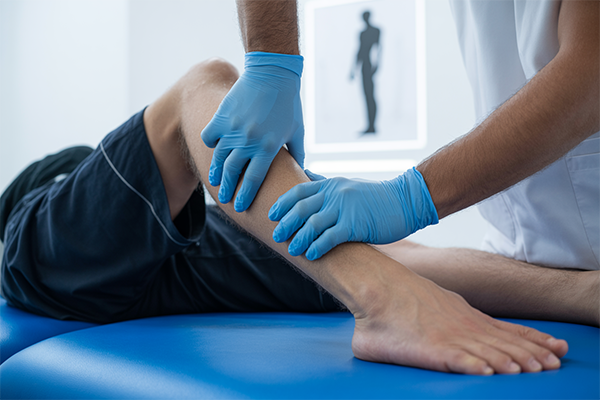
Why Does My Knee Hurt Going Up or Down Stairs? Common Causes Explained
Introduction
If you find yourself wincing in pain while going up or down stairs, you're not alone. Knee pain with stair climbing is a common issue that many encounter. Here at Achilles Podiatry Clinic in Ballincollig, Cork, we understand how frustrating this can be, and we’re here to help you understand the potential causes and treatment options available to alleviate your discomfort.
What Causes Knee Pain When Going Up or Down Stairs?
Knee pain during stair climbing can stem from various underlying conditions. Here are some common causes:
- Patellofemoral Pain Syndrome: Often caused by overuse or misalignment, this condition leads to pain around the kneecap (patella), especially when bending the knee during stair climbing.
- Osteoarthritis: This degenerative joint disease occurs when cartilage breaks down, leading to pain, swelling, and stiffness, more pronounced when navigating stairs.
- Meniscus Tears: A tear in the knee's cartilage, which can cause pain, swelling, and difficulty in mobility, particularly noticeable during flexion when climbing stairs.
- IT Band Syndrome: The iliotibial band can become tight and inflamed, causing lateral knee pain when getting up and down stairs.
- Referred Pain from Foot Conditions: Issues such as plantar fasciitis or flat feet can lead to improper alignment and distribution of forces, contributing to knee pain.
How Does Foot Alignment Affect Knee Pain?
The alignment of your feet and legs plays a crucial role in the mechanics of your knees. Poor foot mechanics, such as overpronation (excessive inward rolling of the foot), can lead to abnormal positioning of the knees, putting extra stress on the knee joints during stair ascent and descent.
How Can I Treat Knee Pain When Climbing Stairs?
Treating knee pain when going up or down stairs involves a combination of conservative and, in some cases, more advanced interventions.
1. Rest and Activity Modification
Avoiding activities that worsen the pain can be a crucial first step. Try to limit stair use or opt for elevators when possible.
2. Physical Therapy
Working with a physical therapist can help you strengthen the muscles around the knee and improve flexibility. They can provide a tailored exercise program that addresses your specific needs.
3. Orthotic Solutions
Custom orthotics may help correct foot alignment issues contributing to knee pain. Proper arch support can alleviate undue stress on your knees.
4. Medication
Over-the-counter anti-inflammatory medications can manage pain and swelling. Consult with a healthcare professional for appropriate dosage and duration.
5. Injections
In cases of persistent pain, corticosteroid or hyaluronic acid injections may provide significant relief and help improve joint function.
6. Surgical Options
In severe cases, such as significant tears or advanced arthritis, surgical interventions may be necessary. This could involve arthroscopy or knee replacement surgery, depending on the extent of the damage.
When Should I See a Podiatrist?
If your knee pain persists despite home care, worsens, or affects your quality of life, it's essential to seek professional help. A podiatrist at Achilles Podiatry Clinic in Ballincollig, Cork can conduct a thorough biomechanical assessment and design a treatment plan tailored for you.
FAQs About Knee Pain and Stairs
- What should I do if my knee pain is severe while climbing stairs? It’s advisable to rest, ice the area, and seek medical advice to explore further evaluations or treatments.
- Can footwear affect knee pain? Yes, wearing inappropriate or worn-out shoes can lead to poor foot mechanics and contribute to knee pain.
- Is surgery the only option if conservative treatments fail? Surgery is usually a last resort. Most knee pain issues can be managed effectively with non-invasive techniques.
- How long does it typically take to recover from knee pain? Recovery time varies depending on the underlying cause and treatment. Minor issues may resolve within weeks, while more serious conditions could take months.
- Are there preventive measures for knee pain? Engaging in strengthening and flexibility exercises along with maintaining a healthy weight can significantly reduce the risk of knee pain.
Conclusion
If you’re experiencing knee pain while going up or down stairs, understanding the possible causes and treatment options is the first step toward relief. At Achilles Podiatry Clinic in Ballincollig, Cork, we are dedicated to helping you navigate your knee pain effectively. Don’t hesitate to book an appointment with us today and take the first step toward getting back on your feet!

Ask Lorcan And His Team
Fill in the form to request a Call From Our Team
Fill in the form to request a Call From Our Team
One of our team will call you for FREE and answer any questions or concerns you may have about Bunions.
One of our team will call you for FREE and answer any questions or concerns you may have about your uncomfortable Bunions.

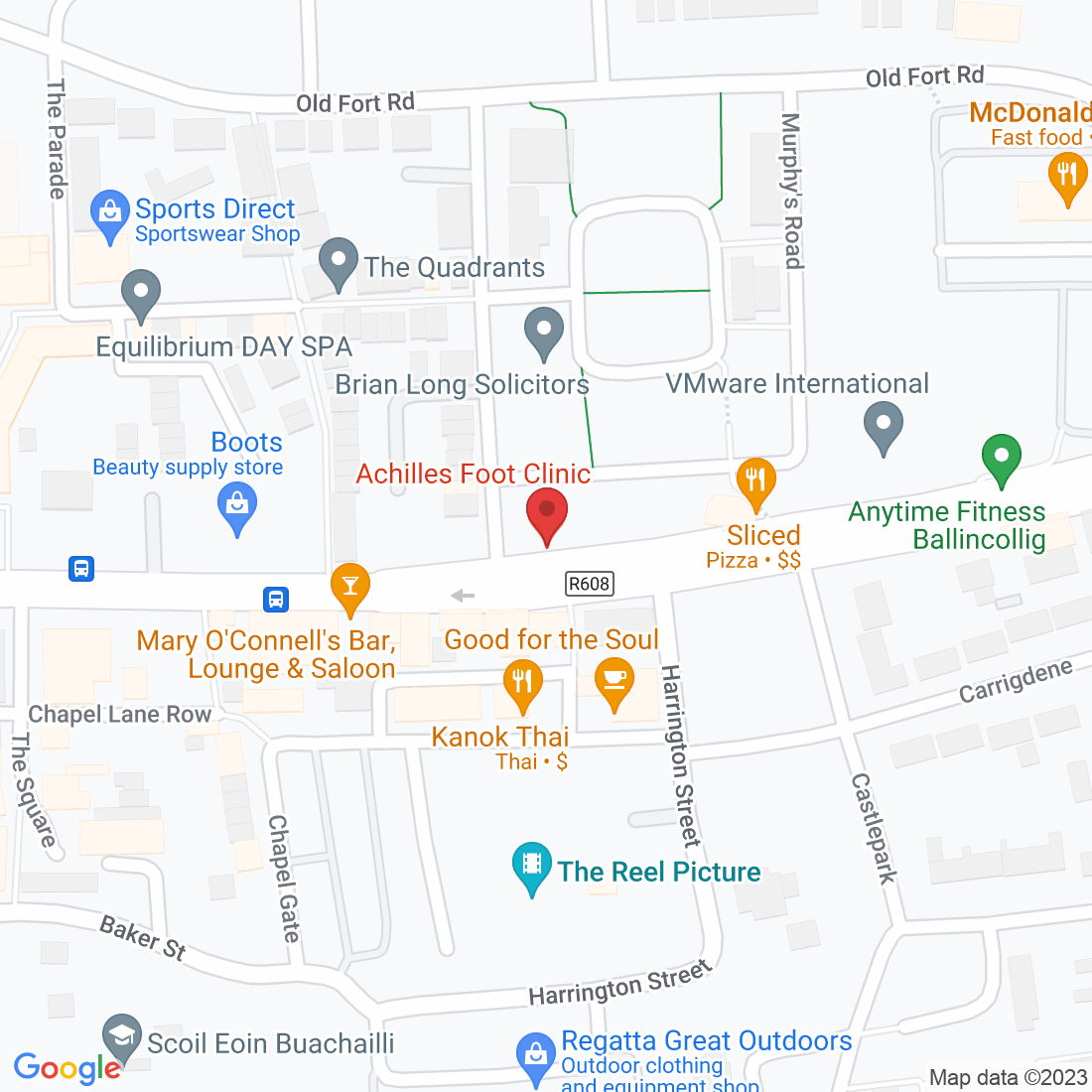
Where To Find Achilles Clinic
Ready to take the next step?
We are conveniently located in the western side of Cork City in Ballincollig.
Main Street, Ballincollig
Open 8am – 6pm (Mon-Fri)
Free Parking on our doorstep
We are on the 220 bus route



Legal
How to get in touch
© Copyright 2022. Achilles Foot Clinic. All rights reserved.