

We have all been there, neglected a niggle in our foot and told ourselves that it would probably go away. Weeks have passed, even months, and it’s only getting worse. Then finally, when we are hobbling around barely able to walk, we decide to seek help…
Well, at Achilles Foot Clinic, we are here to help you.
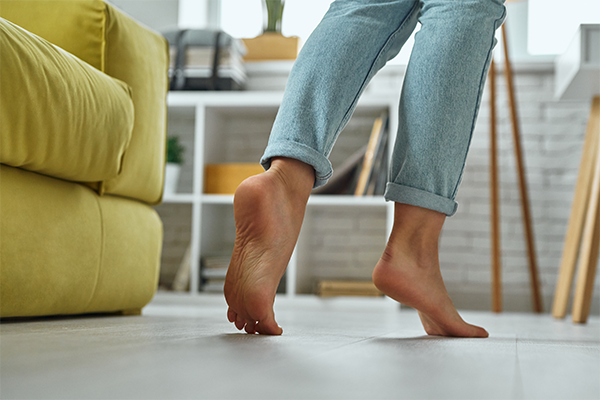
Why Some Shoes Trigger Pain
Understanding Why Some Shoes Trigger Pain
At Achilles Podiatry Clinic, located in Ballincollig, Cork, we understand that the right footwear is crucial for maintaining foot health. Many patients often wonder why some shoes cause discomfort or pain. This comprehensive guide aims to shed light on the factors that contribute to shoe-related foot pain and how you can alleviate it.
What Causes Pain from Shoes?
Shoe-related pain can arise from various factors, including the shoe's design, fit, and the materials used. Here are some common causes:
- Improper Fit: Shoes that are too tight or too loose can cause blisters, calluses, and foot deformities such as bunions.
- Inadequate Support: Shoes lacking proper arch support can lead to conditions like plantar fasciitis, where the plantar fascia becomes inflamed.
- Poor Cushioning: Insufficient cushioning can impact shock absorption, causing pain in the heels and toes.
- High Heels: These can misalign the foot and place undue pressure on the forefoot, leading to metatarsalgia.
- Material Issues: Stiff or synthetic materials can rub against the skin, resulting in irritation.
How Can I Identify Problematic Shoes?
Identifying shoes that could be causing pain involves assessing various aspects of both the shoes and your feet:
- Check the Fit: Ensure there is sufficient space in the toe box. You should be able to wiggle your toes comfortably.
- Evaluate the Arch Support: If your shoes feel flat, you may lack proper arch support which can exacerbate conditions like flatfoot or high arches.
- Observe Wear Patterns: Uneven wear on the soles of your shoes can indicate improper gait mechanics, often pointing to underlying issues.
- Listen to Your Body: If you feel discomfort shortly after wearing a pair of shoes, it's essential to reconsider their suitability.
What Are Common Foot Conditions Linked to Poor Footwear?
Wearing inappropriate shoes can lead to or worsen several foot conditions. These include:
- Plantar Fasciitis: Inflammation of the plantar fascia due to inadequate support.
- Bunions: A bony bump on the side of the toe caused by ill-fitting shoes.
- Morton’s Neuroma: Thickening of the tissue around a nerve leading to the toes, often aggravated by tight footwear.
- Achilles Tendonitis: Inflammation of the Achilles tendon, frequently caused by poorly designed shoes that fail to support the heel adequately.
- Corns and Calluses: Thickened skin on the feet due to friction caused by tight-fitting shoes.
How Can I Treat Shoe-Induced Pain?
Treating pain caused by inadequate shoes involves various strategies:
- Change Your Footwear: Invest in shoes that offer proper fit, support, and cushioning.
- Use Orthotic Inserts: Custom orthotic devices can provide the necessary arch support and align the foot properly.
- Practice Foot Exercises: Strengthening and stretching exercises can improve foot mechanics and alleviate discomfort.
- Apply R.I.C.E: For acute pain, rest, ice, compression, and elevation can help reduce inflammation.
- Consult a Podiatrist: Professional assessment can lead to tailored treatment plans and recommendations for suitable footwear.
When Should I See a Podiatrist?
If shoe-related pain persists despite changing your footwear or implementing other self-care practices, it may be time to consult a podiatrist. Signs that you should seek professional help include:
- Prolonged pain or discomfort.
- Swelling or visible deformities in your feet.
- Difficulty walking or bearing weight on the affected foot.
- Persistent blisters or skin irritations.
- Changes in foot structure or function.
Frequently Asked Questions
1. What types of shoes are best for foot health?
Look for shoes that provide a good fit, offer arch support, and have cushioned soles. Brands that focus on biomechanics are often a good choice.
2. Can I wear high heels without pain?
While occasional use may be fine, high heels should not be worn regularly. Consider lower heels or cushioned inserts if you must wear them.
3. How often should I replace my shoes?
Generally, it’s advisable to replace athletic shoes every 300-500 miles. Dress shoes should be assessed for comfort and wear regularly.
4. Are custom orthotics worth it?
Yes, custom orthotics can address specific foot issues and improve comfort significantly, making them a worthwhile investment for many individuals.
5. What should I do if my footwear causes blisters?
Stop wearing the shoes causing blisters, apply antiseptic, and allow the blister to heal. Seek podiatric advice if blisters recur frequently.
At Achilles Podiatry Clinic in Ballincollig, Cork, we are dedicated to helping you understand the relationship between your footwear and foot health. If you are experiencing pain due to your shoes, don’t hesitate to book an appointment with us today for a personalized assessment and treatment plan.

Ask Lorcan And His Team
Fill in the form to request a Call From Our Team
Fill in the form to request a Call From Our Team
One of our team will call you for FREE and answer any questions or concerns you may have about Bunions.
One of our team will call you for FREE and answer any questions or concerns you may have about your uncomfortable Bunions.

Where To Find Achilles Clinic
Ready to take the next step?
We are conveniently located in the western side of Cork City in Ballincollig.
Main Street, Ballincollig
Open 8am – 6pm (Mon-Fri)
Free Parking on our doorstep
We are on the 220 bus route




Legal
How to get in touch
© Copyright 2022. Achilles Foot Clinic. All rights reserved.