

We have all been there, neglected a niggle in our foot and told ourselves that it would probably go away. Weeks have passed, even months, and it’s only getting worse. Then finally, when we are hobbling around barely able to walk, we decide to seek help…
Well, at Achilles Foot Clinic, we are here to help you.
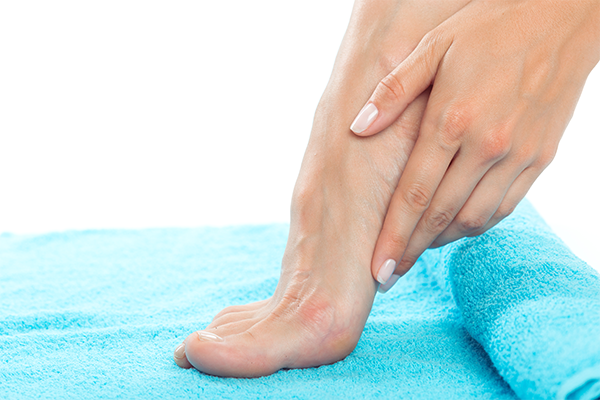
Ballincollig’s Guide to Preventing Corns in Your Work Shoes
Understanding Corns: What Are They?
Corns are localized thickened patches of skin that develop on the feet, often as a result of repetitive friction and pressure. They typically form on the tops and sides of the toes but can also appear on the soles of the feet. The primary reason for the development of corns is ill-fitting footwear, particularly in work environments where the shoes may not provide adequate support or comfort. This can lead to pain, discomfort, and limited mobility.
What Causes Corns in Work Shoes?
Several factors contribute to the formation of corns, especially in occupational settings:
- Poorly Fitting Shoes: Shoes that are too tight, too loose, or lack proper arch and heel support can cause excessive friction.
- High-heeled Shoes: These can shift weight distribution in a way that increases pressure on certain areas of the feet.
- Foot Deformities: Conditions such as bunions, hammertoes, or flat feet may alter the way weight is distributed across the foot.
- Prolonged Standing or Walking: Jobs that require long hours of standing or walking can exacerbate the problem.
- Excessive Moisture: Sweaty feet can increase friction and lead to the development of corns.
How Can I Prevent Corns in My Work Shoes?
Preventing corns entails selecting appropriate footwear and adopting some foot care practices:
- Choose Appropriate Footwear: Look for shoes that are specifically designed for your work environment. Ensure they fit well—neither too tight nor too loose, with adequate room for your toes.
- Opt for Soft Materials: Footwear made from softer, more flexible materials can reduce friction.
- Use Custom Orthotics: Consider the use of orthotic insoles that can provide additional support and cushioning for your arches. This can help distribute pressure more evenly across your feet.
- Maintain Foot Hygiene: Keep your feet clean and dry. If you have excessive perspiration, consider using moisture-wicking materials in your socks.
- Take Breaks: If your job requires long periods of standing or walking, take short breaks when possible to relieve pressure on your feet.
How Can I Treat Corns Once They Develop?
If you already have corns, it’s essential to address them promptly to avoid complications:
- Soaking the Feet: Soak your feet in warm water for about 10-15 minutes to soften the corn. This can make it easier to gently file it down with a pumice stone.
- Use Corn Pads: Special corn pads can help cushion the area and reduce pain while the corn heals.
- Topical Treatments: Over-the-counter treatments containing salicylic acid can help exfoliate the thickened skin.
- Avoid Cutting the Corn: Do not attempt to cut out the corn yourself. This can lead to infections if not done correctly.
- Consult a Podiatrist: If corns persist or become painful, it is wise to visit a foot care specialist, such as those at Achilles Podiatry Clinic in Ballincollig, Cork.
When Should I See a Podiatrist?
It is advisable to consult a podiatrist if:
- The corn becomes very painful or infected.
- You have diabetes or any condition that affects blood flow to your feet.
- Corns recur frequently despite taking preventive measures.
Frequently Asked Questions
1. Can corns lead to more severe issues?
Yes, corns can lead to infections, especially in individuals with underlying health conditions such as diabetes. It’s important to monitor for changes and seek professional advice as needed.
2. Are there home remedies to treat corns?
While soaking and gentle filing can help, it’s best to consult with a healthcare provider for persistent corns to prevent further complications.
3. How can I find properly fitting work shoes?
Visit a specialized shoe store where staff can assess your foot type and gait. Consider shoes with features such as adjustable straps or laces that allow for a customized fit.
4. Is surgery necessary for corns?
Surgery is rarely required for corns but may be considered if they are associated with significant foot deformities. A podiatrist will evaluate your specific condition and advise you accordingly.
5. How often should I replace my work shoes?
It’s generally advisable to replace work shoes every 6-12 months, depending on wear, activity level, and the quality of the shoe. Regular replacement helps maintain foot health and comfort.
Conclusion: Foot Health Starts with You
Preventing corns involves taking proactive steps in your shoe choice and foot care routines. At Achilles Podiatry Clinic in Ballincollig, Cork, we are dedicated to helping you maintain healthy, pain-free feet. Don’t let corns disrupt your daily life or work. If you have concerns about corn formation or foot health, please consult with our expert team. Book your appointment today!

Ask Lorcan And His Team
Fill in the form to request a Call From Our Team
Fill in the form to request a Call From Our Team
One of our team will call you for FREE and answer any questions or concerns you may have about Bunions.
One of our team will call you for FREE and answer any questions or concerns you may have about your uncomfortable Bunions.

Where To Find Achilles Clinic
Ready to take the next step?
We are conveniently located in the western side of Cork City in Ballincollig.
Main Street, Ballincollig
Open 8am – 6pm (Mon-Fri)
Free Parking on our doorstep
We are on the 220 bus route




Legal
How to get in touch
© Copyright 2022. Achilles Foot Clinic. All rights reserved.