

We have all been there, neglected a niggle in our foot and told ourselves that it would probably go away. Weeks have passed, even months, and it’s only getting worse. Then finally, when we are hobbling around barely able to walk, we decide to seek help…
Well, at Achilles Foot Clinic, we are here to help you.
When Corns Turn Risky: Signs Ballincollig Patients Shouldn’t Ignore
Understanding Corns: A Common Podiatric Concern
Corns are localized areas of thickened skin that develop due to repeated friction and pressure on the foot. While often seen as a minor issue, corns can lead to significant complications if left untreated. At Achilles Podiatry Clinic in Ballincollig, Cork, we believe it’s crucial for patients to recognize the signs that indicate a corn may be becoming problematic.
What Causes Corns?
Corns are primarily caused by the following factors:
- Improper Footwear: Shoes that are too tight or have high heels can place excessive pressure on certain foot areas.
- Foot Abnormalities: Conditions such as bunions, hammertoes, or flat feet can alter the foot's structure, leading to increased friction.
- Repetitive Activities: Certain sports or occupations that require prolonged standing or frequent foot movement can contribute to corn formation.
When Do Corns Become Risky?
While corns might seem benign, they can develop into more serious issues under certain circumstances. Here are some warning signs that patients in Ballincollig should not ignore:
1. Increased Pain or Discomfort
If a corn becomes painful or tender, it indicates that the surrounding tissue is inflamed or irritated. This may require immediate intervention from a podiatrist.
2. Changes in Color or Texture
Monitor the corn for any changes in color. A corn that suddenly turns red, swollen, or has a discharge may be infected and needs prompt medical attention.
3. Growth Size and Shape
If you notice the corn growing larger or changing shape, it could be a sign of an underlying issue or a reaction to continued pressure from improperly fitting shoes.
4. Development of Open Wounds
Open sores or ulcerations around the corn suggest a breakdown of skin integrity, which can lead to infections requiring medical treatment.
5. Persistent Symptoms Despite Home Care
Should home treatments (such as soaking or using over-the-counter corn pads) fail to provide relief, it’s time to consult a healthcare professional, such as those at Achilles Podiatry Clinic.
How Can I Treat Corns Safely?
To effectively manage corns, it’s important to adopt a multifaceted approach:
- Footwear Choices: Opt for shoes with a wide toe box and adequate cushioning to minimize pressure points.
- Regular Foot Care: Routine exfoliation and moisturizing can maintain skin health and minimize corn formation.
- Podiatric Treatments: Professional intervention may involve debridement of the corn or orthotic interventions to redistribute pressure.
- Custom Orthotic Devices: These can help correct structural and functional issues leading to corn development.
When Should I See a Podiatrist?
It’s important to consult a podiatrist if you experience:
- Persistent pain or swelling around corns.
- Signs of infection, such as redness or warmth.
- Difficulty in walking due to foot discomfort.
- Diabetic foot problems, as individuals with diabetes are at higher risk for complications.
FAQs About Corns
1. Are corns the same as calluses?
Corns are typically smaller and have a hard center surrounded by inflamed skin, whereas calluses are broader, thicker areas of skin usually found on weight-bearing parts of the foot.
2. What can I do at home to relieve corn pain?
Soaking your feet in warm water followed by gentle exfoliation, using over-the-counter corn pads, and ensuring better footwear can help relieve symptoms.
3. Can corns come back after treatment?
Yes, if the underlying cause (like inappropriate footwear or foot structure) isn’t addressed, corns may recur.
4. Are there any risks associated with removing corns at home?
Yes, home removal can lead to infections, especially if the skin is broken or if you have conditions that impair healing, such as diabetes.
5. How often should I see a podiatrist for corns?
It’s recommended to see a podiatrist annually or more frequently if you have recurrent issues, are diabetic, or have other foot-related conditions.
Conclusion
Recognizing and managing corns is vital for maintaining healthy feet. If you experience any concerning symptoms, don’t hesitate to seek help from the experts at Achilles Podiatry Clinic in Ballincollig, Cork. We are committed to providing personalized care to ensure your feet remain healthy and pain-free. For more information or to schedule an appointment, book your visit today!

Ask Lorcan And His Team
Fill in the form to request a Call From Our Team
Fill in the form to request a Call From Our Team
One of our team will call you for FREE and answer any questions or concerns you may have about Bunions.
One of our team will call you for FREE and answer any questions or concerns you may have about your uncomfortable Bunions.

Where To Find Achilles Clinic
Ready to take the next step?
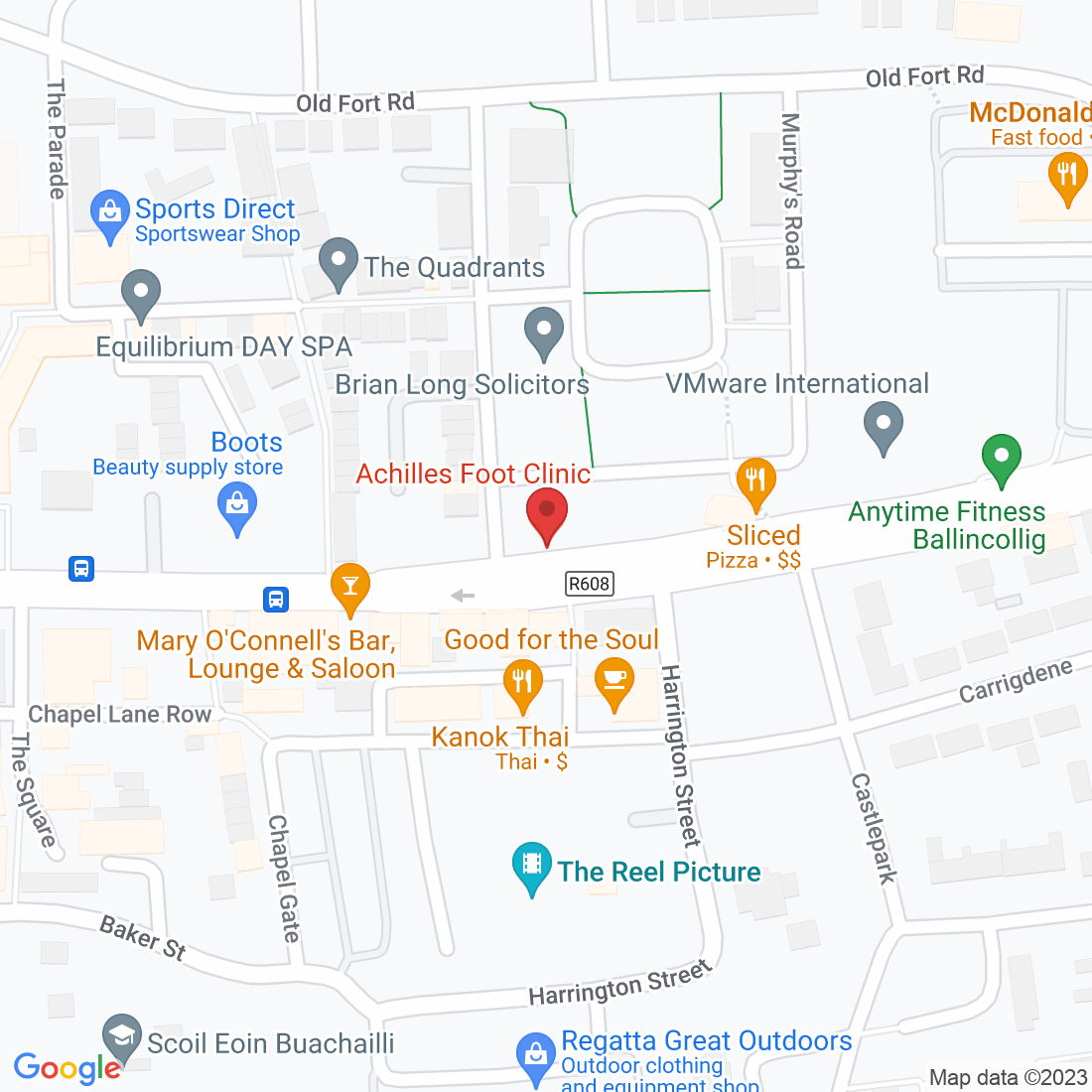
We are conveniently located in the western side of Cork City in Ballincollig.
Main Street, Ballincollig
Open 8am – 6pm (Mon-Fri)
Free Parking on our doorstep
We are on the 220 bus route



Legal
How to get in touch
© Copyright 2022. Achilles Foot Clinic. All rights reserved.