

We have all been there, neglected a niggle in our foot and told ourselves that it would probably go away. Weeks have passed, even months, and it’s only getting worse. Then finally, when we are hobbling around barely able to walk, we decide to seek help…
Well, at Achilles Foot Clinic, we are here to help you.
How to Tell If It’s a Verruca or a Corn — Ballincollig’s Simple Test
Introduction
Welcome to Achilles Podiatry Clinic, your trusted podiatry service located in Ballincollig, Cork. If you've been experiencing discomfort on the soles of your feet, you might be unsure whether it’s a verruca (plantar wart) or a corn. Understanding the differences between these two common foot conditions is crucial for effective treatment. In this article, we’ll walk you through how to tell if it’s a verruca or a corn using simple tests you can perform at home.
What Are Verrucas and Corns?
Before we delve into the diagnostic tests, it’s essential to understand what each condition entails.
What Causes Verrucas?
Verrucas, or plantar warts, are caused by the human papillomavirus (HPV). They often appear on weight-bearing areas such as the soles of the feet. The virus invades through tiny cuts or breaks in the skin.
What Causes Corns?
Corns are thickened areas of skin that develop as a protective response to friction or pressure, often due to ill-fitting shoes or abnormal foot mechanics. They can occur on the tops or sides of toes and sometimes on the soles.
How Can I Tell If It’s a Verruca or a Corn?
Both verrucas and corns can be painful, but they have distinctive features. Here are simple tests to help you identify which condition you have:
Visual Inspection
- Verruca: Typically has a rough, grainy surface and may have small black dots (thrombosed capillaries) visible within it.
- Corn: Appears as a hard, round bump with a smooth or shiny surface, usually surrounding red, inflamed skin.
Palpation Test
Gently press on the affected area:
- Verruca: Normally causes localized pain that feels sharp when pressure is applied.
- Corn: May be painful but typically elicits a dull ache; pain is usually spread out rather than centralized.
Response to Pressure
Stand and put weight on the area:
- Verruca: Pain intensifies with pressure.
- Corn: Pain may not increase as significantly under weight but will be somewhat uncomfortable.
How Can I Treat a Verruca or a Corn?
Treatment options differ depending on whether you have a verruca or a corn.
Treatment for Verrucas
- Over-the-counter Treatments: Salicylic acid applications can help gradually remove the wart.
- Cryotherapy: Freezing the verruca with liquid nitrogen can also be effective.
- Professional Removal: If self-treatment fails, consult our specialists at Achilles Podiatry Clinic for assessment and possible removal.
Treatment for Corns
- Footwear Adjustment: Wearing properly fitting shoes can alleviate pressure and prevent corns from worsening.
- Padding: Corn pads can provide temporary relief.
- Debridement: Professional treatment to remove the thickened skin can be performed at our clinic.
When Should I See a Podiatrist?
If home remedies do not improve your condition, or if you experience severe pain, swelling, or bleeding, it’s essential to seek professional medical advice. Our highly trained specialists at Achilles Podiatry Clinic are here to provide you with the best care tailored to your needs.
FAQ
- Can I treat verrucas at home? Yes, over-the-counter treatments are available, but consulting a podiatrist is advisable for persistent cases.
- What’s the difference in the appearance of a verruca and a corn? Verrucas usually have a rough texture and visible black dots, while corns are smoother with a thickened area around them.
- Are verrucas contagious? Yes, they can spread through direct contact or contaminated surfaces.
- Can corns be prevented? Yes, by wearing well-fitting shoes and using foot care products.
- How long does it take to treat a verruca? Treatment duration can vary; some may resolve in weeks, while others could take months.
Conclusion
Determining whether you have a verruca or a corn is the first step toward receiving effective treatment. If you’re in Ballincollig, Cork, and need help diagnosing or treating your foot condition, don’t hesitate to contact Achilles Podiatry Clinic. Our expert team is committed to providing personalized care to ensure your feet are healthy and pain-free.
For further assistance, please book an appointment online.

Ask Lorcan And His Team
Fill in the form to request a Call From Our Team
Fill in the form to request a Call From Our Team
One of our team will call you for FREE and answer any questions or concerns you may have about Bunions.
One of our team will call you for FREE and answer any questions or concerns you may have about your uncomfortable Bunions.

Where To Find Achilles Clinic
Ready to take the next step?
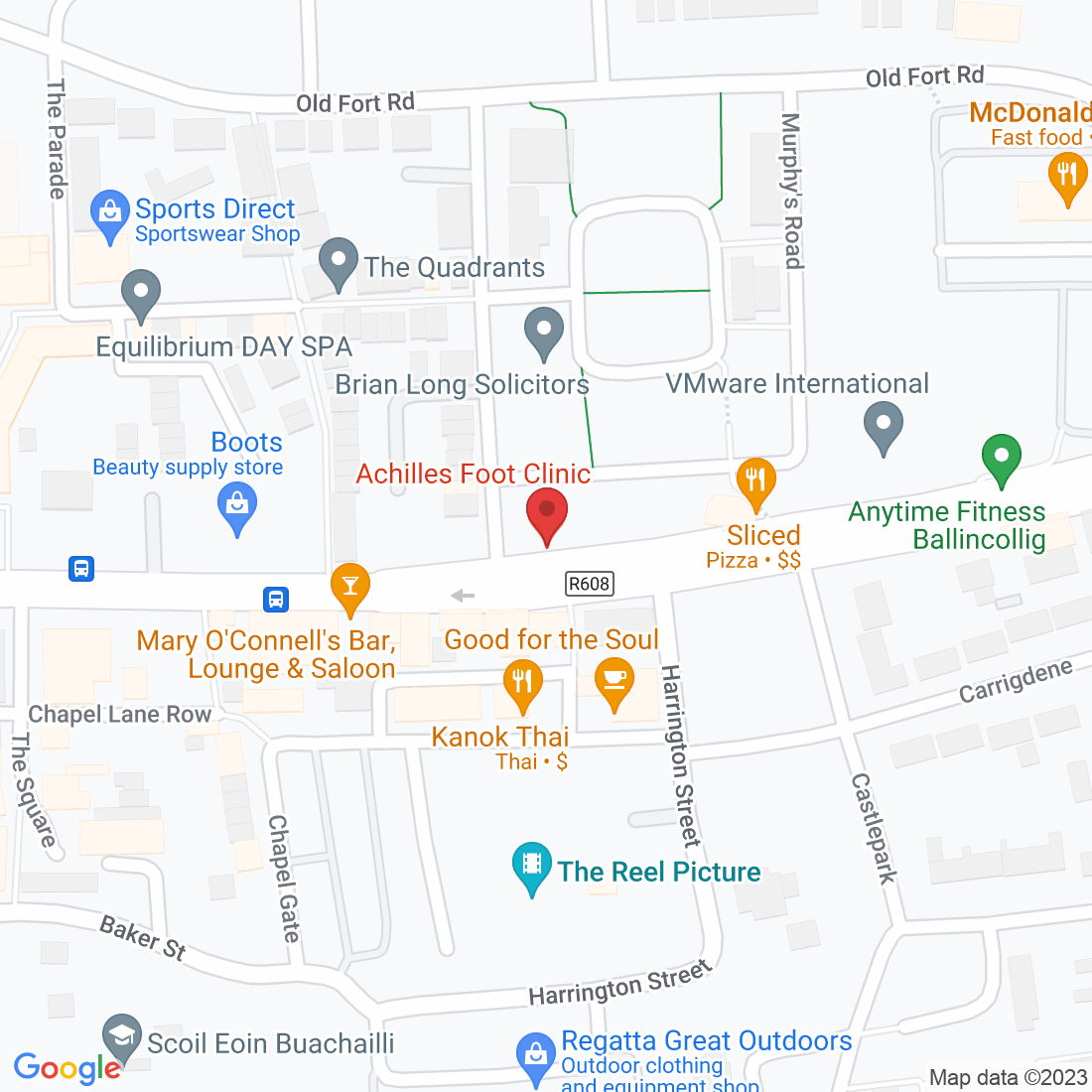
We are conveniently located in the western side of Cork City in Ballincollig.
Main Street, Ballincollig
Open 8am – 6pm (Mon-Fri)
Free Parking on our doorstep
We are on the 220 bus route



Legal
How to get in touch
© Copyright 2022. Achilles Foot Clinic. All rights reserved.