

We have all been there, neglected a niggle in our foot and told ourselves that it would probably go away. Weeks have passed, even months, and it’s only getting worse. Then finally, when we are hobbling around barely able to walk, we decide to seek help…
Well, at Achilles Foot Clinic, we are here to help you.
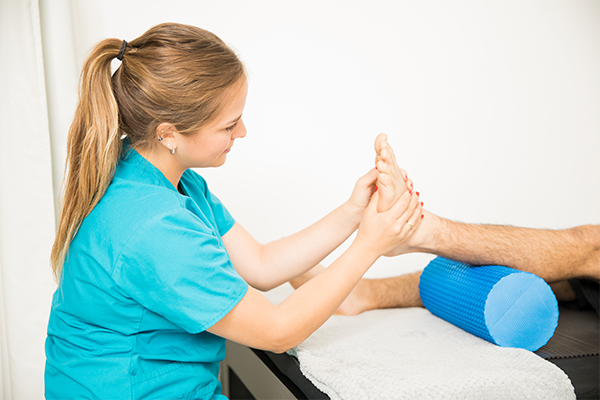
Morning vs. Evening Heel Pain: What Ballincollig Patients Need to Know
Understanding Morning vs. Evening Heel Pain
Heel pain is a common complaint encountered by patients at Achilles Podiatry Clinic in Ballincollig, Cork. Many patients experience this discomfort at different times of the day, notably in the morning upon waking or in the evening after a long day. Recognizing the differences between morning and evening heel pain is crucial for effective diagnosis and treatment.
What Causes Morning Heel Pain?
Morning heel pain is often attributed to
- Plantar Fasciitis: This is the most common cause of heel pain, especially in individuals aged 40-60. The plantar fascia is a thick band of tissue that runs from the heel to the toes. Inflammation can occur due to overuse, poor footwear, or structural abnormalities in the foot.
- Achilles Tendinopathy: Tendonitis in the Achilles tendon can cause heel pain that is more pronounced in the morning after being inactive overnight.
- Bone Spurs: Bony growths on the heel bone can cause pain, primarily when weight is placed on the foot after long periods of rest.
- Inflammatory Arthritis: Conditions such as rheumatoid arthritis may also lead to morning stiffness and pain in the heel region.
Why Does Heel Pain Worsen in the Morning?
Upon waking, the body is often in a state of stiffness due to prolonged immobility during sleep. The plantar fascia can become tight overnight, leading to sharp pain during the first few steps. This is referred to as “post-static dyskinesia,” where the pain diminishes with activity but can return after prolonged periods of rest.
What Causes Evening Heel Pain?
Evening heel pain can result from different factors than morning discomfort:
- Fatigue from Activity: After a day of weight-bearing activities, such as walking or standing, there may be overuse or strain on the foot, leading to discomfort.
- Improper Footwear: Wearing unsupportive shoes during the day can aggravate heel pain, revealing itself as soreness in the evening.
- Existing Conditions: Conditions such as plantar fasciitis or Achilles tendinopathy may worsen throughout the day, resulting in increased discomfort at night.
How Can I Treat Morning Heel Pain?
Treatments for morning heel pain can be both immediate and long-term:
- Stretching Exercises: Regularly stretching the calf muscles and plantar fascia can greatly alleviate morning pain.
- Night Splints: These are designed to keep the foot in a pointed position overnight, reducing heel pain by preventing morning stiffness.
- Ice Therapy: Applying ice to the heel for 15-20 minutes after waking can help reduce inflammation and pain.
- Orthotic Devices: Custom orthotics can provide better arch support and reduce stress on the heel.
How Can I Treat Evening Heel Pain?
Evening heel pain can also benefit from targeted interventions:
- Rest and Ice: Taking breaks, especially after prolonged standing or walking, and using ice can help reduce pain and inflammation.
- Footwear Evaluation: Ensure that shoes provide adequate support, cushioning, and fit. Avoid high heels and flip-flops, which offer little support.
- Physical Therapy: A professional can guide an exercise regimen aimed at strengthening and stretching foot structures.
- Anti-inflammatory Medications: Over-the-counter NSAIDs like ibuprofen may be used on a short-term basis to control pain and reduce inflammation.
When Should I See a Podiatrist?
If heel pain persists for more than a few weeks despite self-care measures, it is essential to consult with a podiatrist. At Achilles Podiatry Clinic in Ballincollig, Cork, our specialists can provide a comprehensive evaluation, accurate diagnosis, and tailored treatment plan to ensure a speedy recovery.
Frequently Asked Questions (FAQ)
- What can I do to relieve heel pain at home?
Try rest, ice application, stretching exercises, and wear supportive footwear. - Are there any exercises that can help with heel pain?
Calf stretches and plantar fascia stretches are beneficial for relieving tension. - What type of shoes should I wear?
Choose footwear with good arch support and cushioning; avoid high heels and flat shoes without support. - Can heel pain be a sign of a more serious condition?
Yes, persistent heel pain could indicate underlying issues that require medical evaluation. - How long does it usually take for heel pain to resolve?
The recovery timeframe can vary; early intervention typically leads to quicker results.
Conclusion
Understanding the differences between morning and evening heel pain is critical for effective management. If you experience persistent heel pain, don't hesitate to seek professional advice at Achilles Podiatry Clinic in Ballincollig, Cork. Our dedicated team is here to help you return to a pain-free lifestyle. Book an appointment today!

Ask Lorcan And His Team
Fill in the form to request a Call From Our Team
Fill in the form to request a Call From Our Team
One of our team will call you for FREE and answer any questions or concerns you may have about Bunions.
One of our team will call you for FREE and answer any questions or concerns you may have about your uncomfortable Bunions.

Where To Find Achilles Clinic
Ready to take the next step?
We are conveniently located in the western side of Cork City in Ballincollig.
Main Street, Ballincollig
Open 8am – 6pm (Mon-Fri)
Free Parking on our doorstep
We are on the 220 bus route




Legal
How to get in touch
© Copyright 2022. Achilles Foot Clinic. All rights reserved.