

We have all been there, neglected a niggle in our foot and told ourselves that it would probably go away. Weeks have passed, even months, and it’s only getting worse. Then finally, when we are hobbling around barely able to walk, we decide to seek help…
Well, at Achilles Foot Clinic, we are here to help you.
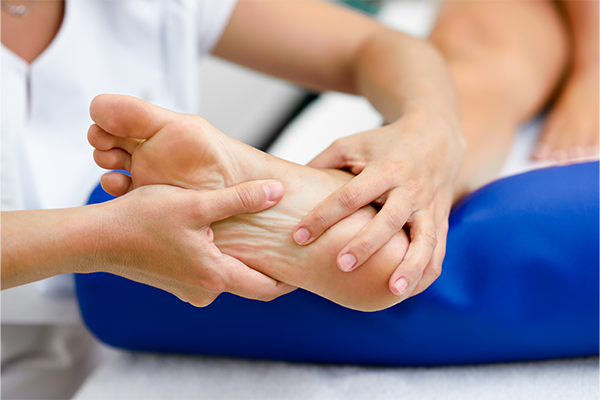
How Cork’s Podiatrists Spot Early Plantar Fasciitis Before It Gets Severe
Understanding Plantar Fasciitis: A Common Foot Condition
As the leading podiatry clinic in Ballincollig, Cork, Achilles Podiatry Clinic is dedicated to helping our community understand and manage foot conditions like plantar fasciitis. This condition, characterized by inflammation of the plantar fascia, can lead to severe pain if not identified early. In this blog, we will explore how our experienced podiatrists spot the early signs of plantar fasciitis and provide effective treatment options.
What Causes Plantar Fasciitis?
Plantar fasciitis occurs when the plantar fascia, a thick band of tissue running from the heel to the toes, becomes inflamed. Several factors contribute to this condition:
- Overuse: Increased physical activity, especially high-impact sports like running.
- Foot Mechanics: Flat feet, high arches, or abnormal walking patterns can stress the plantar fascia.
- Age: The risk of plantar fasciitis increases as we age due to decreased elasticity in the plantar fascia.
- Obesity: Excess weight places additional stress on the feet.
- Improper Footwear: Shoes lacking adequate support and cushioning can exacerbate foot conditions.
How Do Podiatrists Spot Early Signs of Plantar Fasciitis?
Early detection of plantar fasciitis is crucial for effective treatment and prevention of severe symptoms. Here are some methods our podiatrists use:
1. Comprehensive Physical Examination
During your visit, our podiatrists will conduct a detailed physical examination to assess your foot structure, gait, and overall alignment. Key indicators for plantar fasciitis include:
- Tenderness along the plantar fascia, especially near the heel
- Swelling in the arch of the foot
- Pain during the first steps in the morning or after prolonged inactivity
2. Patient History Analysis
Understanding your medical history is essential. Our podiatrists will ask about:
- Your physical activity levels and recent changes in exercise
- Any prior foot injuries or surgeries
- Footwear choices and daily activities
3. Imaging Tests
In some cases, imaging tests like X-rays or MRIs may be necessary to rule out other conditions such as heel spurs or fractures and confirm a diagnosis of plantar fasciitis.
How Can I Treat Plantar Fasciitis?
Once our podiatrists at Achilles Podiatry Clinic diagnose plantar fasciitis, we recommend several treatment strategies to alleviate pain and promote healing:
1. Rest and Activity Modification
Reducing high-impact activities and allowing time for recovery is vital. Engaging in low-impact exercises like swimming or cycling can maintain fitness.
2. Stretching and Strengthening Exercises
Specific stretches for the plantar fascia and Achilles tendon can enhance flexibility. Strengthening exercises for the feet and calves can also help support the arches.
3. Orthotic Devices
Custom orthotics can provide arch support and alleviate pressure on the plantar fascia. Our podiatrists will assess your footwear and foot mechanics to determine the best orthotic solution.
4. Physical Therapy
A tailored physical therapy program can address biomechanical issues and promote healing through targeted exercises, massage, and modalities like ultrasound therapy.
5. Medications
Over-the-counter nonsteroidal anti-inflammatory drugs (NSAIDs), such as ibuprofen, can help relieve pain and inflammation. In some cases, corticosteroid injections may be considered for persistent symptoms.
Common Myths about Plantar Fasciitis
Avoiding misconceptions is crucial for effective management. Here are some common myths:
- Myth: Plantar fasciitis only affects athletes. Fact: Anyone can develop this condition, regardless of activity level.
- Myth: Surgery is always needed for plantar fasciitis. Fact: Most cases can be managed non-surgically.
- Myth: Plantar fasciitis will resolve on its own without treatment. Fact: Early intervention is essential to prevent chronic pain.
FAQs about Plantar Fasciitis
1. What are the first signs of plantar fasciitis?
The initial signs often include heel pain after resting and tenderness in the arch of the foot.
2. Can I still exercise with plantar fasciitis?
Yes, but it is essential to modify your exercises. Low-impact activities are recommended to avoid exacerbating the condition.
3. How long does it take to recover from plantar fasciitis?
Recovery varies but typically takes several weeks to months, depending on the severity and adherence to treatment.
4. Are there specific shoes recommended for plantar fasciitis?
Footwear with good arch support and cushioning is essential. Look for shoes specifically designed for stability and comfort.
5. When should I see a podiatrist for plantar fasciitis?
If you experience persistent heel pain lasting more than a few weeks or if your symptoms worsen, it’s advisable to schedule an appointment with a podiatrist.
Conclusion
Spotting the early signs of plantar fasciitis is crucial to preventing severe pain and potential complications. At Achilles Podiatry Clinic in Ballincollig, Cork, our skilled team is committed to providing personalized care and effective treatment options. If you're experiencing symptoms or have concerns about your foot health, don’t hesitate to book an appointment with us today.

Ask Lorcan And His Team
Fill in the form to request a Call From Our Team
Fill in the form to request a Call From Our Team
One of our team will call you for FREE and answer any questions or concerns you may have about Bunions.
One of our team will call you for FREE and answer any questions or concerns you may have about your uncomfortable Bunions.

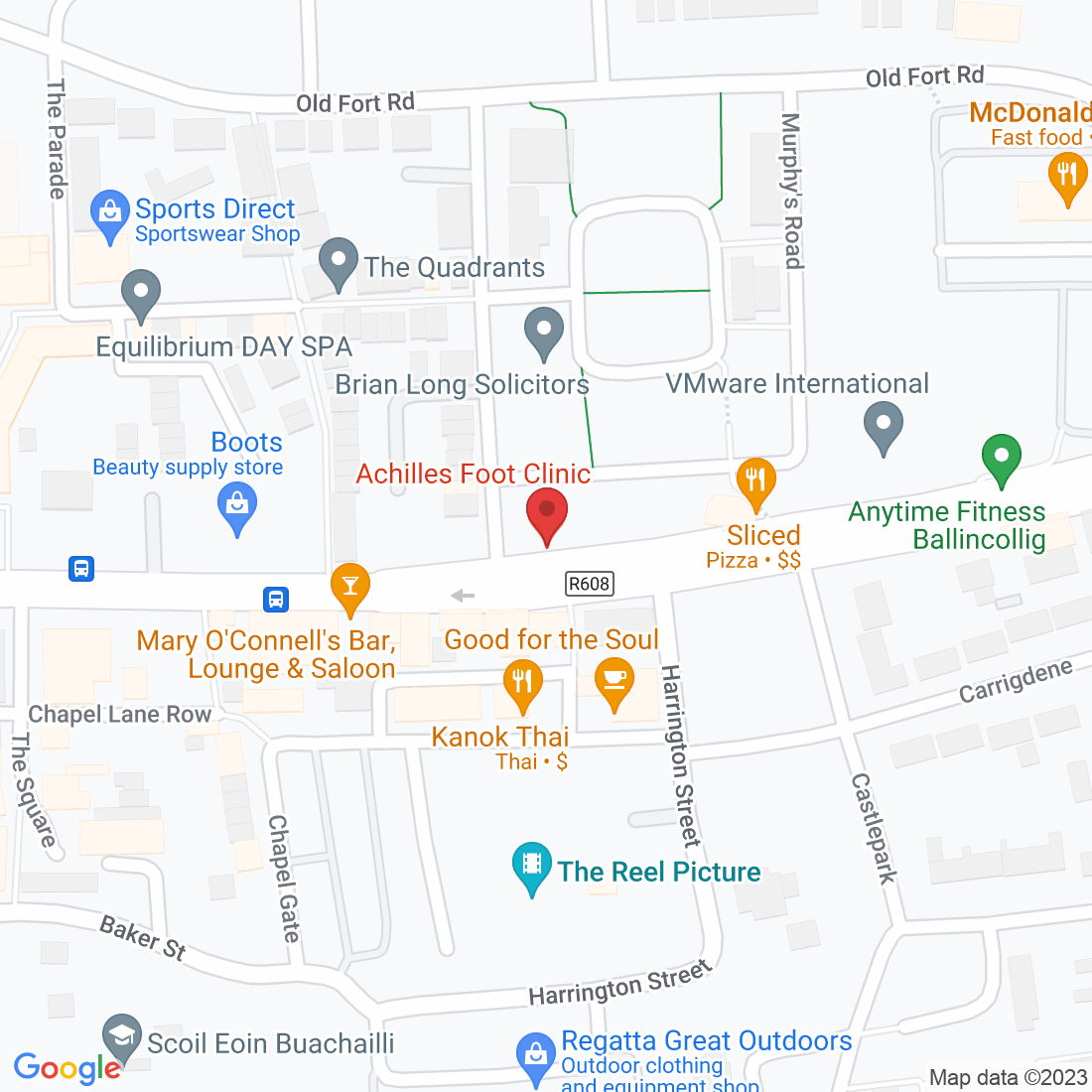
Where To Find Achilles Clinic
Ready to take the next step?
We are conveniently located in the western side of Cork City in Ballincollig.
Main Street, Ballincollig
Open 8am – 6pm (Mon-Fri)
Free Parking on our doorstep
We are on the 220 bus route



Legal
How to get in touch
© Copyright 2022. Achilles Foot Clinic. All rights reserved.