

We have all been there, neglected a niggle in our foot and told ourselves that it would probably go away. Weeks have passed, even months, and it’s only getting worse. Then finally, when we are hobbling around barely able to walk, we decide to seek help…
Well, at Achilles Foot Clinic, we are here to help you.
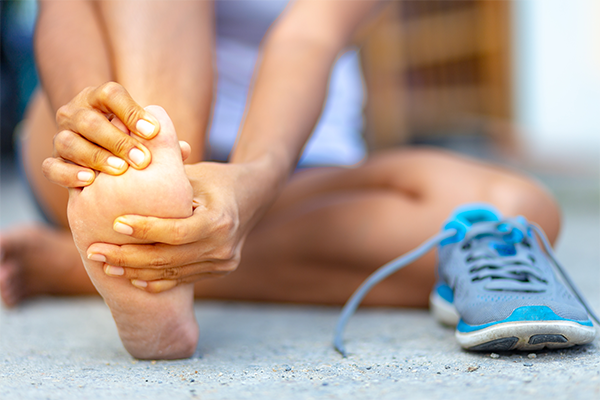
The Truth About Flexible vs Supportive Footwear in Ballincollig, Cork
The Truth About Flexible vs Supportive Footwear in Ballincollig, Cork
When it comes to footwear, the debate between flexible and supportive shoes is ongoing, especially for individuals who experience foot pain or discomfort. At Achilles Podiatry Clinic in Ballincollig, Cork, we frequently encounter patients concerned about the best footwear options for their unique needs. In this article, we'll explore the fundamental differences between flexible and supportive footwear, helping you make an informed decision that enhances your overall foot health.
What are Flexible Shoes?
Flexible shoes are designed to allow for a greater range of motion. They typically feature a soft, flexible outer material that bends easily with the foot. These shoes often lack significant arch support or cushioning, making them a popular choice for casual wearers and people with normal foot mechanics.
Benefits of Flexible Footwear
- Natural Movement: Flexible shoes promote a more natural gait by allowing the feet to flex and move as they would in bare feet.
- Weight Reduction: They tend to be lighter, which can make them more comfortable for some users.
- Breathability: Often made from breathable materials, these shoes can help prevent overheating during physical activities.
What are Supportive Shoes?
In contrast, supportive shoes are built with features that provide structure and stability to the foot. They often include elements such as arch support, cushioning, and a firm heel counter, which can mitigate the risk of various foot conditions.
Benefits of Supportive Footwear
- Injury Prevention: Supportive shoes can help prevent common foot injuries, particularly for individuals with flat feet or high arches.
- Improved Alignment: They assist in maintaining proper alignment of the feet and legs, which can alleviate stress on the knees and hips.
- Cushioning: Extra cushioning can absorb shock and reduce impact during activities like running or walking.
What Are the Common Foot Conditions Associated With Each Type of Footwear?
Choosing the right type of footwear can significantly affect various foot conditions:
- Plantar Fasciitis: Supportive footwear can relieve stress on the plantar fascia, reducing pain associated with this condition.
- Flat Feet: Individuals with flat feet often benefit from supportive shoes that provide arch support and stability.
- Achilles Tendinitis: Quality cushioning from supportive shoes can alleviate pressure on the Achilles tendon, promoting recovery.
- Morton’s Neuroma: Flexible shoes may exacerbate this condition due to lack of support, while supportive shoes can alleviate discomfort.
How to Choose the Right Footwear for Your Needs
When deciding between flexible and supportive footwear, consider the following:
- Foot Type and Condition: Assess whether you have high arches, flat feet, or any existing foot conditions.
- Activity Level: Determine how much you will be walking, running, or standing throughout the day.
- Comfort: Always prioritize comfort during fitting sessions; your feet should feel supported without pain during movement.
Can You Have Both Flexibility and Support?
Fortunately, it is possible to find shoes that combine both flexibility and support. Many modern footwear brands now offer hybrid models that feature a flexible forefoot allowing for natural movement while maintaining necessary support at the arch and heel. It’s advisable to seek these combinations, especially if you transition between activities throughout the day.
FAQ Section
1. What are the signs that I need new shoes?
Look out for signs like discomfort, lack of support, visible wear and tear, or if the shoes no longer provide the cushioning you need.
2. How often should I replace my footwear?
It’s generally recommended to replace athletic shoes every 300 to 500 miles or when you start to notice decreased support and comfort.
3. Can certain shoe types lead to injury?
Yes, wearing inappropriate footwear can lead to conditions like plantar fasciitis, shin splints, and stress fractures, especially if the shoe does not support your foot type.
4. Are custom orthotics necessary for everyone?
Not everyone requires custom orthotics; however, individuals with specific foot conditions or severe foot pain may benefit greatly from them.
5. How can I break in new shoes safely?
To break in new shoes, wear them for short periods initially and gradually increase wear time, allowing your feet to adjust.
Conclusion
Choosing the right footwear is crucial for maintaining foot health and preventing injury. At Achilles Podiatry Clinic in Ballincollig, Cork, we emphasize the importance of selecting shoes that align with your specific foot type and activity levels. If you have further questions or need personalized advice regarding your footwear, please don’t hesitate to reach out to us.
For a thorough examination and tailored recommendations, book your appointment today at Achilles Podiatry Clinic.

Ask Lorcan And His Team
Fill in the form to request a Call From Our Team
Fill in the form to request a Call From Our Team
One of our team will call you for FREE and answer any questions or concerns you may have about Bunions.
One of our team will call you for FREE and answer any questions or concerns you may have about your uncomfortable Bunions.

Where To Find Achilles Clinic
Ready to take the next step?
We are conveniently located in the western side of Cork City in Ballincollig.
Main Street, Ballincollig
Open 8am – 6pm (Mon-Fri)
Free Parking on our doorstep
We are on the 220 bus route




Legal
How to get in touch
© Copyright 2022. Achilles Foot Clinic. All rights reserved.