

We have all been there, neglected a niggle in our foot and told ourselves that it would probably go away. Weeks have passed, even months, and it’s only getting worse. Then finally, when we are hobbling around barely able to walk, we decide to seek help…
Well, at Achilles Foot Clinic, we are here to help you.

What Thick Skin Is Trying to Tell You
Understanding Thick Skin: What It Reveals About Your Health
At Achilles Podiatry Clinic in Ballincollig, Cork, we often encounter patients concerned about thick skin on their feet. While it may seem like a cosmetic issue, thick skin can be a signal from your body regarding your foot health. In this comprehensive guide, we will explore the causes, symptoms, and treatments associated with thick skin, empowering you with knowledge to take control of your foot health.
What Causes Thick Skin on the Feet?
Thickened skin, or hyperkeratosis, can occur for a variety of reasons. Here are some of the most common causes:
- Friction and Pressure: Frequent activities such as running, walking, or wearing ill-fitting shoes can lead to increased friction, causing the skin to thicken.
- Foot Deformities: Conditions like bunions or hammer toes can create localized pressure points that result in thickened skin.
- Skin Conditions: Dermatological issues such as psoriasis or eczema may also lead to thickened, scaly patches on the feet.
- Age: As we age, our skin naturally thickens as a protective response to various environmental factors.
- Medical Conditions: Diabetes, peripheral vascular disease, and other systemic conditions can impact skin integrity and thickness.
What Are the Symptoms of Thick Skin?
Identifying thick skin is relatively straightforward, but it can be accompanied by other symptoms, including:
- Dryness and flakiness
- Discomfort or pain while walking
- Cracks or fissures
- Corns or calluses that may develop from persistent pressure
How Can I Treat Thick Skin on My Feet?
Treating thick skin requires understanding the underlying cause. Here are some effective treatment options:
- Footwear Modifications: Ensuring that your shoes fit properly can significantly reduce friction and pressure on your feet. Look for shoes with proper arch support and ample toe room.
- Exfoliation: Regularly exfoliating thickened areas with a pumice stone or foot file can help reduce thickness. This should be done carefully to avoid injuring the skin.
- Moisturizers: Using thick emollients, such as urea-based creams, can help keep skin moisturized and soften thickened areas.
- Podological Interventions: If the condition persists or is accompanied by pain, consulting a podiatrist is advisable. Treatments may include debridement or custom orthotics.
- Medication: In cases of underlying skin conditions, topical or systemic medications may be prescribed by a healthcare professional.
When Should I See a Podiatrist?
It's essential to consult a podiatrist if you notice:
- Severe pain or discomfort
- Changes in skin color or texture
- Symptoms that do not improve with at-home treatments
- Presence of diabetes or other chronic diseases that may affect foot health
At Achilles Podiatry Clinic, we specialize in assessing and treating foot conditions, ensuring tailored solutions to promote your overall foot health.
FAQs About Thick Skin
1. Is thick skin on my feet a serious condition?
Thick skin can be a symptom of various conditions. While not always serious, persistent or painful thickening warrants a consultation with a podiatrist.
2. Can thick skin lead to other foot problems?
Yes, if left untreated, thickened skin can lead to corns, calluses, and even ulcers in severe cases, particularly in people with diabetes.
3. What home remedies can help manage thick skin?
Regular exfoliation and moisturizing are effective home remedies. Also, wearing appropriate footwear can prevent further thickening.
4. How can I prevent thick skin on my feet?
Prevention includes wearing well-fitted shoes, maintaining proper foot hygiene, and using moisturizers regularly.
5. What professional treatments are available for thick skin?
Professional treatments may include debridement, custom orthotics, or addressing underlying skin conditions with specific medications.
Conclusion
Thick skin on your feet can be more than just a cosmetic concern; it often serves as a telltale sign of the health of your feet. Understanding its causes and implementing appropriate treatment is crucial for maintaining optimal foot health. If you have concerns about thick skin, don't hesitate to reach out to us at Achilles Podiatry Clinic in Ballincollig, Cork. Book your appointment today and let us help you achieve better foot health.

Ask Lorcan And His Team
Fill in the form to request a Call From Our Team
Fill in the form to request a Call From Our Team
One of our team will call you for FREE and answer any questions or concerns you may have about Bunions.
One of our team will call you for FREE and answer any questions or concerns you may have about your uncomfortable Bunions.

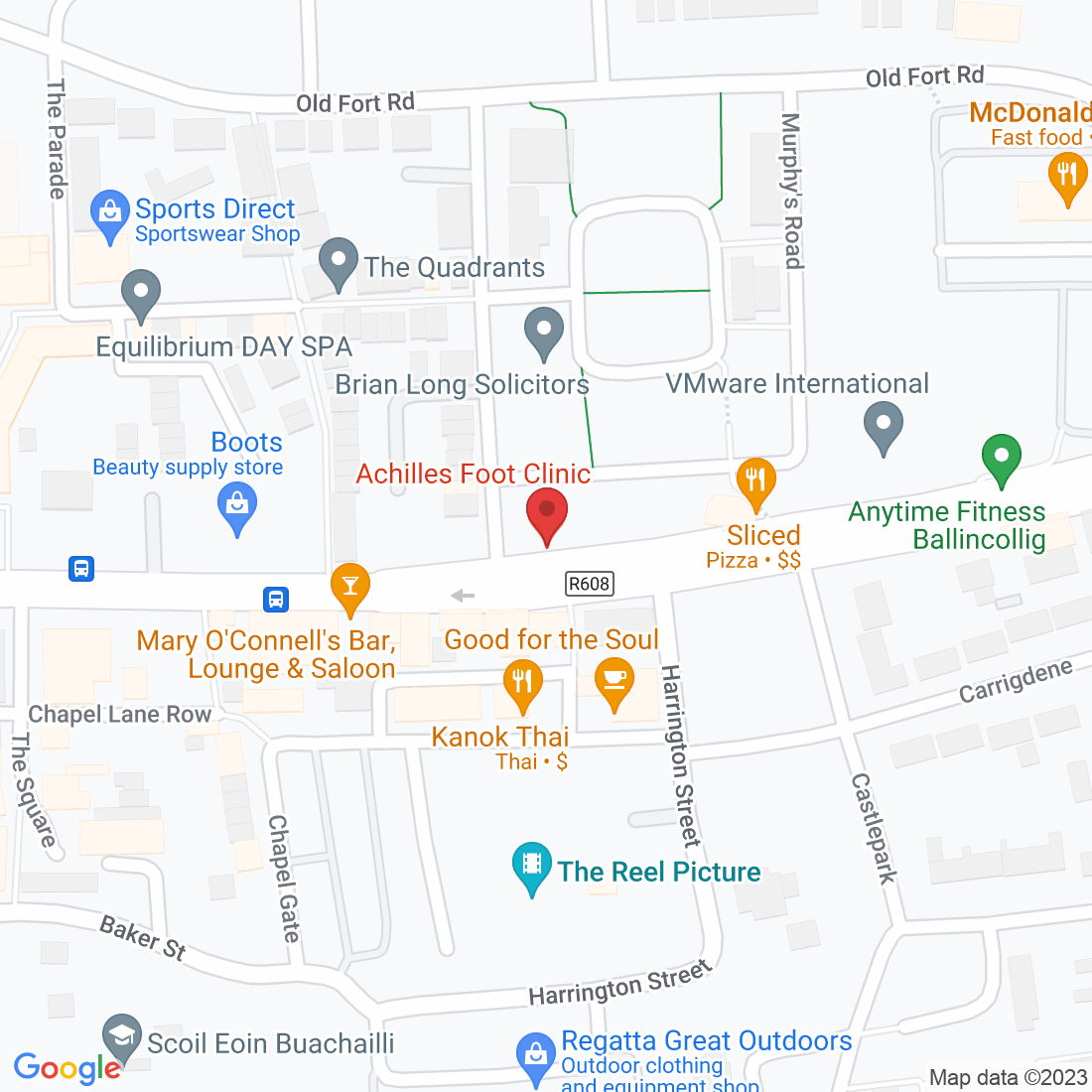
Where To Find Achilles Clinic
Ready to take the next step?
We are conveniently located in the western side of Cork City in Ballincollig.
Main Street, Ballincollig
Open 8am – 6pm (Mon-Fri)
Free Parking on our doorstep
We are on the 220 bus route



Legal
How to get in touch
© Copyright 2022. Achilles Foot Clinic. All rights reserved.