
Understanding Ingrown Toenails
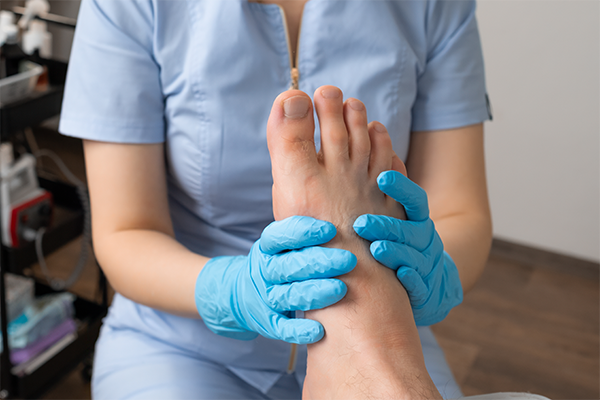
Ingrown toenails, medically known as onychocryptosis, occur when the corners or sides of a toenail grow into the surrounding skin, leading to pain, inflammation, and sometimes infection. At Achilles Podiatry Clinic in Ballincollig, Cork, we frequently treat patients suffering from this common foot condition.
What Causes Ingrown Toenails?
Several factors contribute to the development of ingrown toenails. Identifying these triggers can assist both in prevention and in managing symptoms if they occur.
1. Improper Footwear
Wearing tight, ill-fitting shoes can put excessive pressure on the toes, pushing the toenails into the surrounding skin. It’s essential to wear shoes that provide adequate space for your toes to move comfortably.
2. Poor Nail Cutting Habits
Cutting toenails too short or rounding the corners can increase the likelihood of ingrown toenails. Always aim to cut your nails straight across and to a length that allows for healthy growth.
3. Genetic Predisposition
Some individuals may be genetically predisposed to develop ingrown toenails. If you have a family history of the condition, you might need to be particularly vigilant.
4. Foot Trauma
Injuries to the toe, whether from stubbing, dropping something heavy, or vigorous physical activities, can affect toenail growth and increase the risk of ingrowth.
5. Fungal Infections
Fungal toenail infections can distort the nail's shape, making ingrowth more likely. Keeping toenails healthy and treating infections promptly is crucial.
How Can I Avoid Ingrown Toenails?
Preventing ingrown toenails is largely attainable by adopting certain care habits and practices.
- Choose the Right Shoes: Opt for shoes that are wide enough to avoid putting pressure on your toes. Ensure there is a small gap between the end of your toes and the shoe.
- Practice Proper Nail Care: Trim toenails straight across and avoid cutting them too short. Keeping nails properly shaped can also help with growth.
- Maintain Foot Hygiene: Regular washing and drying of feet prevent excess moisture and fungal growth, promoting overall nail health.
- Inspect Your Feet Regularly: Routinely check your feet for any signs of swelling or redness around the toenails; catching symptoms early can prevent progression.
- Seek Professional Help: If you experience recurring issues or have an existing foot condition (like diabetes), consult a podiatrist at Achilles Podiatry Clinic for personalized guidance.
How Can I Treat Ingrown Toenails?
If you develop an ingrown toenail, several treatment options can alleviate discomfort and prevent further complications.
1. Home Remedies
Soaking the affected foot in warm, soapy water can help reduce swelling and ease pain. After soaking, gently lift the nail edge and place a small piece of cotton or dental floss underneath to encourage proper nail growth.
2. Over-the-Counter Pain Relief
Non-prescription pain relief medications such as ibuprofen can be effective in managing pain and swelling. Always follow the recommended dosage instructions.
3. Professional Treatment
If home remedies do not provide relief, make an appointment with our experts at Achilles Podiatry Clinic. We may recommend partial or complete nail removal in severe cases, utilizing local anesthetics for comfort during the procedure.
FAQs About Ingrown Toenails
- What are the symptoms of an ingrown toenail? Symptoms include pain, redness, swelling around the toenail, and sometimes drainage of pus.
- Can ingrown toenails cause infections? Yes, if the skin around the nail becomes broken or inflamed, bacteria can enter and cause infections.
- How long does it take for an ingrown toenail to heal? Mild cases may heal within a week with proper care, but more severe cases could take longer and may require professional intervention.
- Are ingrown toenails contagious? No, ingrown toenails are not contagious. They result from physical factors affecting the toenail.
- Should I see a podiatrist for an ingrown toenail? Yes, if you're experiencing significant pain, repeated occurrences, or if you have underlying health conditions that make complications more likely.
Conclusion
Ingrown toenails can be a painful condition, but with understanding and proper care, you can minimize your risk and maintain healthier feet. If you have any concerns or persistent symptoms, visit us at Achilles Podiatry Clinic in Ballincollig, Cork. Our team of specialists is here to help you find relief and keep your feet in optimal condition.